

Interior Materials Guide: Vinyl vs Leather vs Alcantara (Builder-Proven Picks That Hold Up)
Interior materials are one of those decisions that feels simple until you live with it. The outside of the car gets the attention, but the interior is what you touch every drive. If the materials are wrong, the build can look finished and still feel unfinished.
This guide breaks down the three materials builders ask about most: vinyl, leather, and Alcantara. We’ll cover durability, heat, maintenance, and where each one belongs in a high-end classic interior.
Fesler take: The cleanest interiors start with parts that fit right first, then the material wraps the plan. If the panel fitment is sketchy, no material on Earth will save it.
Quick comparison: what you are really choosing
- Vinyl = easiest ownership, best value, great durability when done right.
- Leather = premium feel, great aging when maintained, higher cost and care.
- Alcantara = high-end performance look and grip, can show wear if abused, needs smarter placement.
1) Vinyl: the builder’s “set it and forget it” choice
Modern automotive-grade vinyl is not the cheap stuff people remember. A good vinyl can look clean, stay consistent in the sun, and survive daily use without acting precious.
Best for
- Door panels and high-touch areas where you want easy cleanup
- Trucks and drivers that get used often
- Builds that prioritize durability and low maintenance
Pros
- Easy to clean, doesn’t require special conditioning
- Strong durability for daily driving
- Cost-effective for full interior coverage
Watch-outs
- Cheap vinyl looks cheap, choose automotive-grade with proper backing
- Extreme heat can still stress seams if the upholstery work is rushed
Pro move: Use vinyl on the areas that get hit the hardest, then add premium accents where they actually matter visually.
2) Leather: premium feel, premium responsibility
Leather is hard to beat for that “finished” feeling. It has depth, it smells right, and it can age beautifully. But leather is not magic. It needs correct installation and it needs basic care to stay looking like a high-end choice.
Best for
- Seats, armrests, and touch points you want to feel premium
- Show builds and weekend drivers
- Interiors where you want a classic luxury vibe
Pros
- Best tactile feel and perceived quality
- Ages well when cared for
- Works across classic and modern interior designs
Watch-outs
- Needs conditioning and smart cleaning
- Can show wear faster in high-friction areas if the leather is thin or low quality
- Heat and sun exposure are real, especially on daily drivers
3) Alcantara: performance look, smart placement wins
Alcantara is the material people want because it screams modern performance. It also adds grip and reduces glare. Done right, it looks insane. Done wrong, it becomes the part you are afraid to touch with greasy hands.
Best for
- Accent panels, inserts, headliners, and areas you want to visually elevate
- Performance-inspired builds
- Low-wear zones where it stays clean and sharp
Pros
- High-end modern look that instantly upgrades the cabin
- Great texture and visual contrast
- Reduces glare on upper surfaces when used appropriately
Watch-outs
- High-wear areas can show flattening and oils over time
- Requires smarter cleaning habits than vinyl
- Placement matters more than the material itself
Where each material belongs in a “feels finished” interior
If you want the interior to feel cohesive, think in zones. This keeps the build looking intentional and prevents mismatched textures.
- High-touch zones (armrests, pull straps, door pulls): vinyl or leather
- High-wear zones (lower doors, kick panels): vinyl is usually king
- Show zones (inserts, accents): leather or Alcantara depending on the vibe
- Heat zones (areas that bake in the sun): prioritize materials that won’t punish you for driving the car
Simple rule: Put the most durable material where life happens. Put the most premium material where it gets seen and appreciated.
How this ties into Fesler interiors
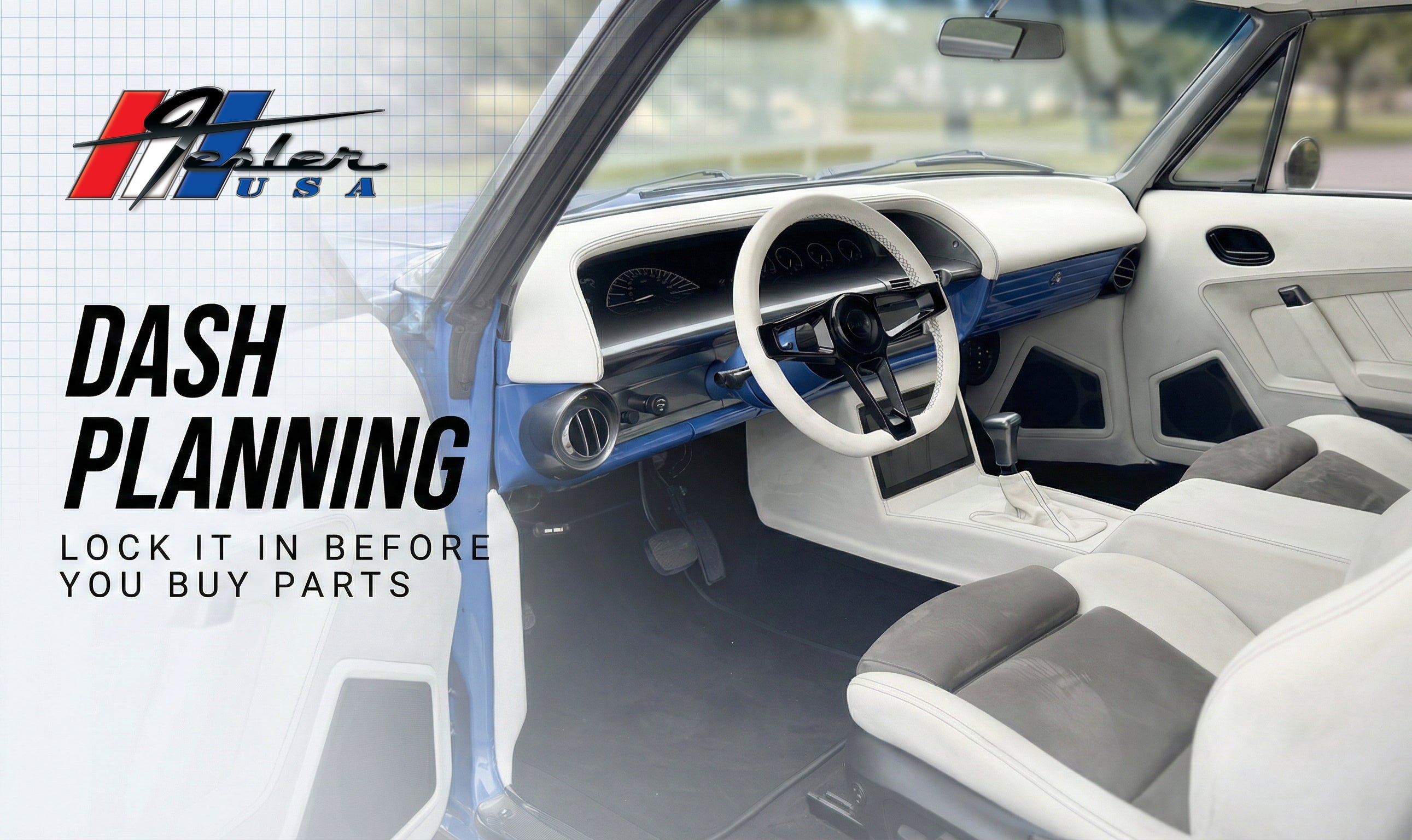
We build interior parts with the same goal: fitment first, then finish. A clean material choice looks twice as good when the panel is mounted right, edges are crisp, and everything sits where it should.
If you’re building with Fesler door panels or planning a full interior refresh, materials become easy when the foundation is solid. Choose the look you want, then choose the material that supports how you will actually use the car.
Shop Interior Parts Ask Fesler
Quick FAQ
What is best for a daily driver in a hot climate?
Usually vinyl for the high-wear areas, with leather used strategically on seats and touch points if you want that premium feel.
Is Alcantara worth it?
Yes, when it is used as an accent or in the right zones. It looks high-end fast, but it is not the best choice everywhere.
What is the biggest mistake builders make with materials?
Choosing a material based on photos alone, then using it in the wrong zones. Plan the interior like a system, not a shopping list.
Choose the material that matches the way you actually drive. That is how interiors stay clean for years, not weeks.

Leave a comment
This site is protected by hCaptcha and the hCaptcha Privacy Policy and Terms of Service apply.