
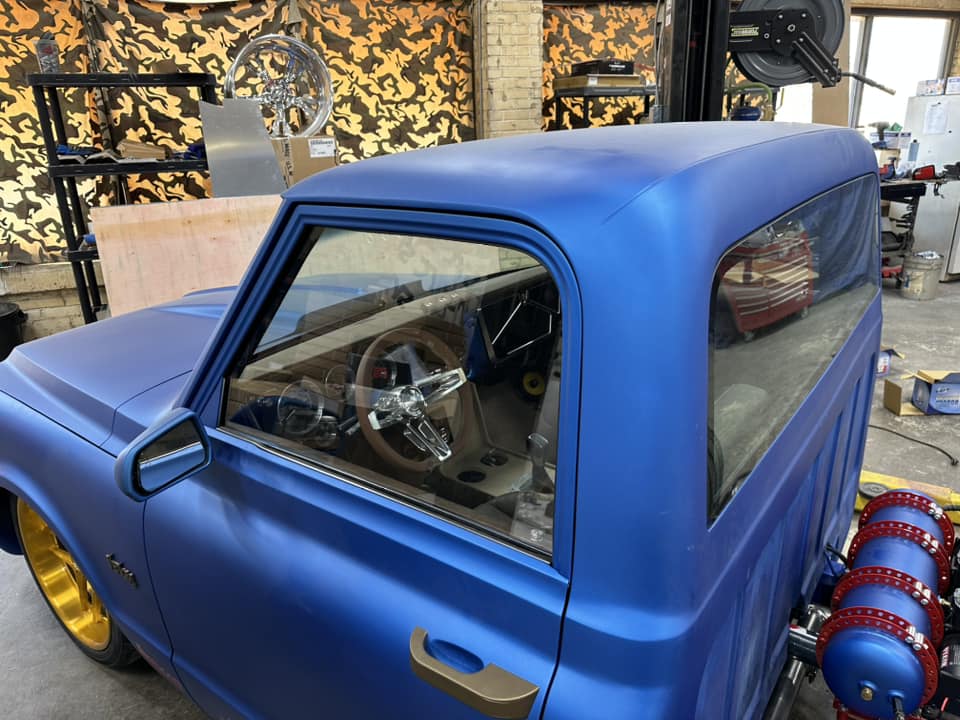
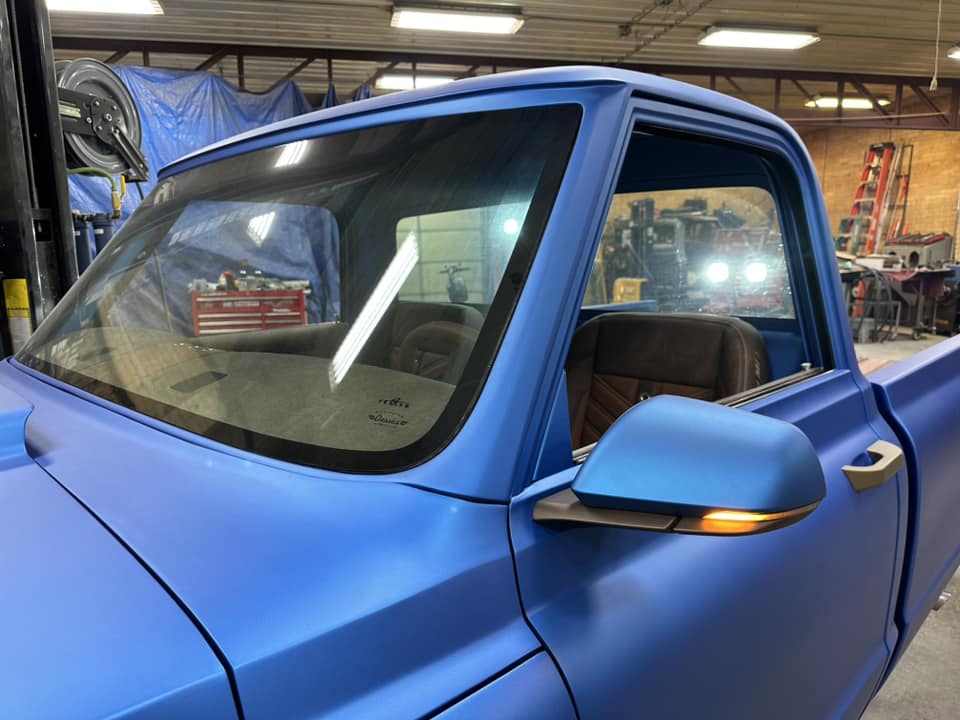
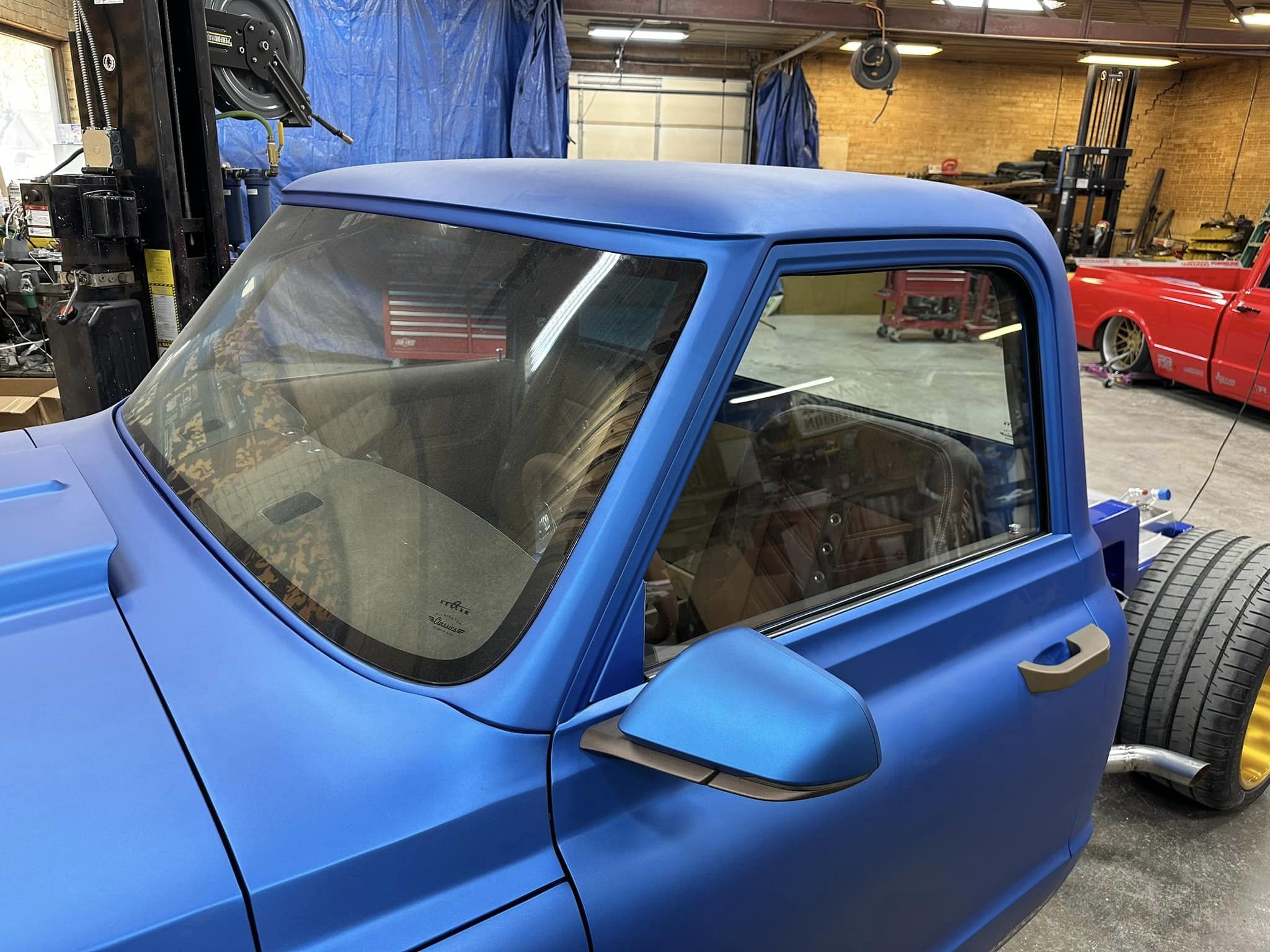
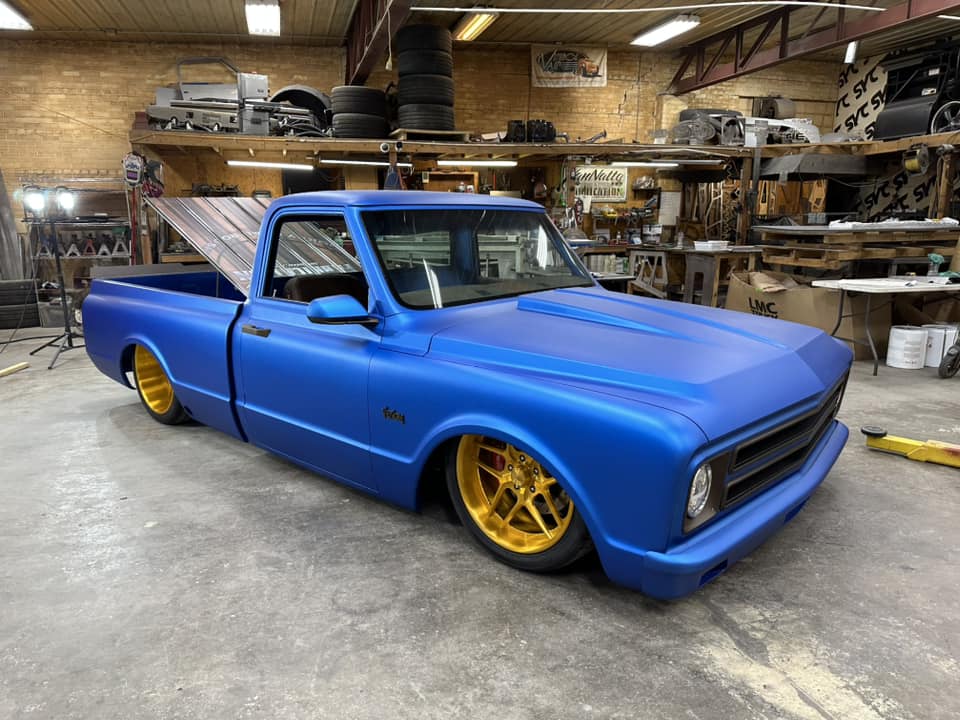
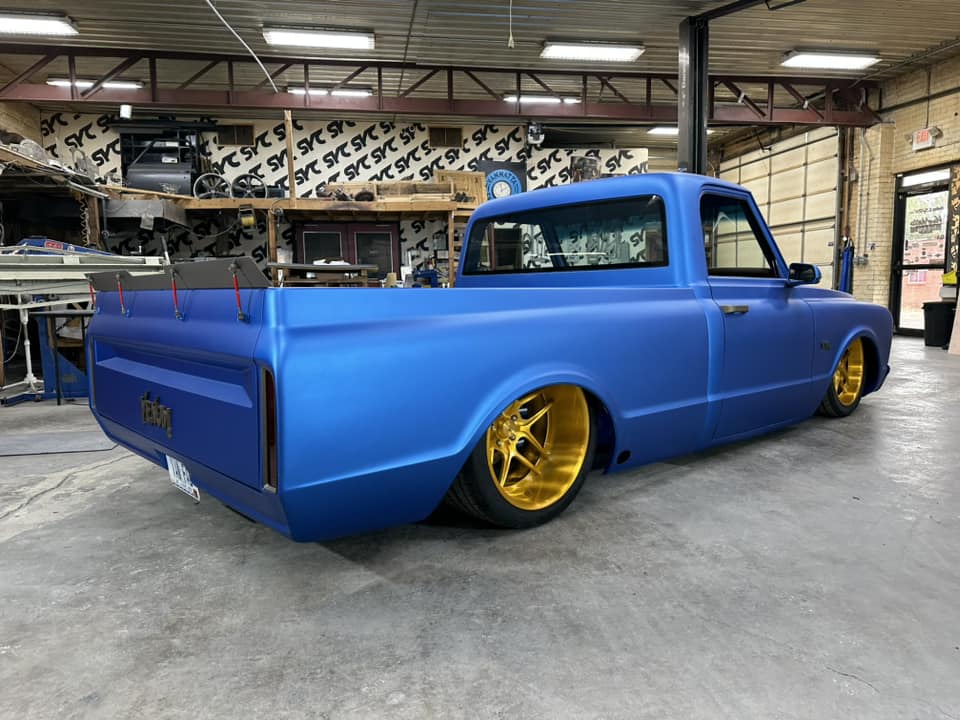
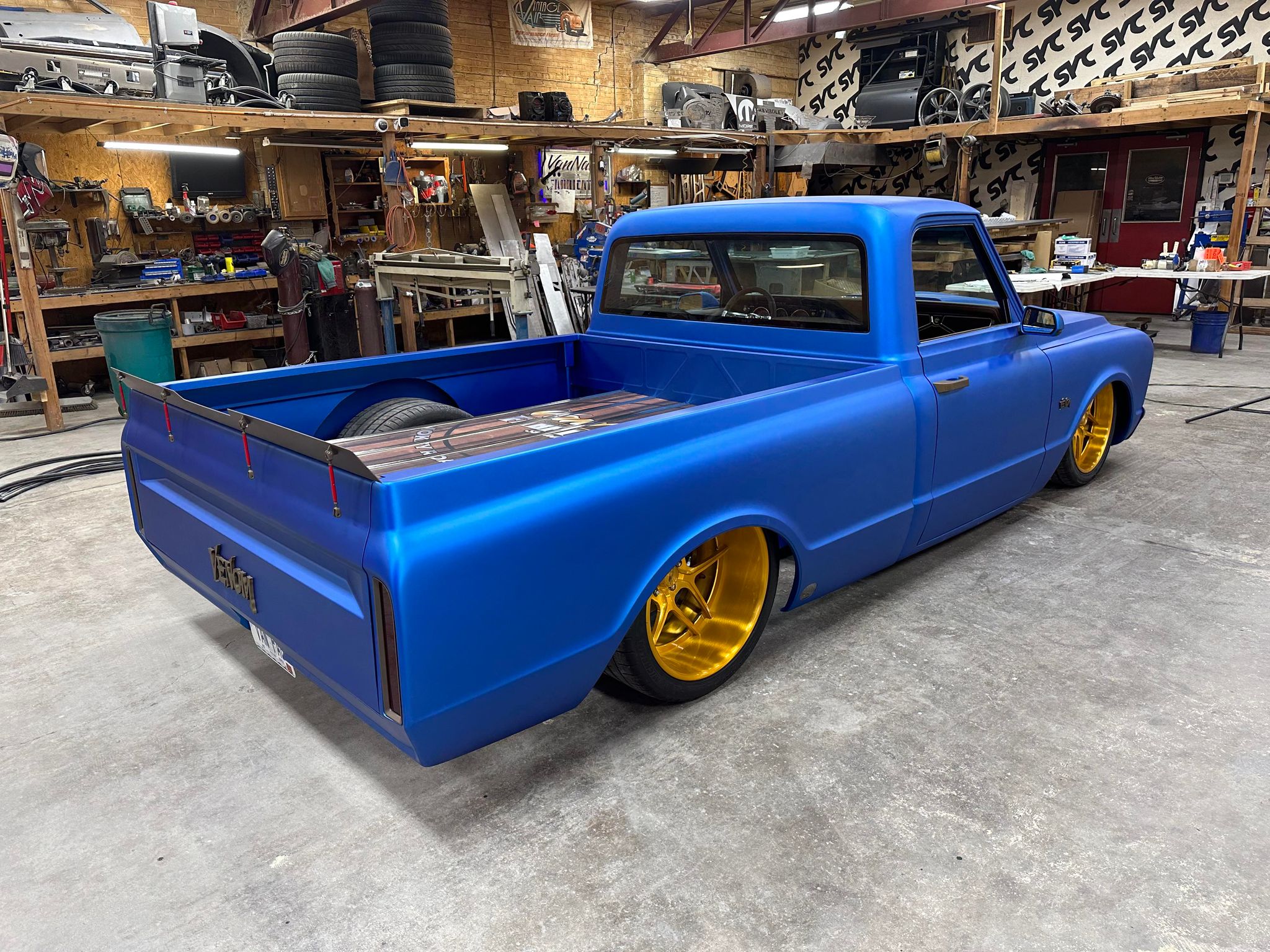

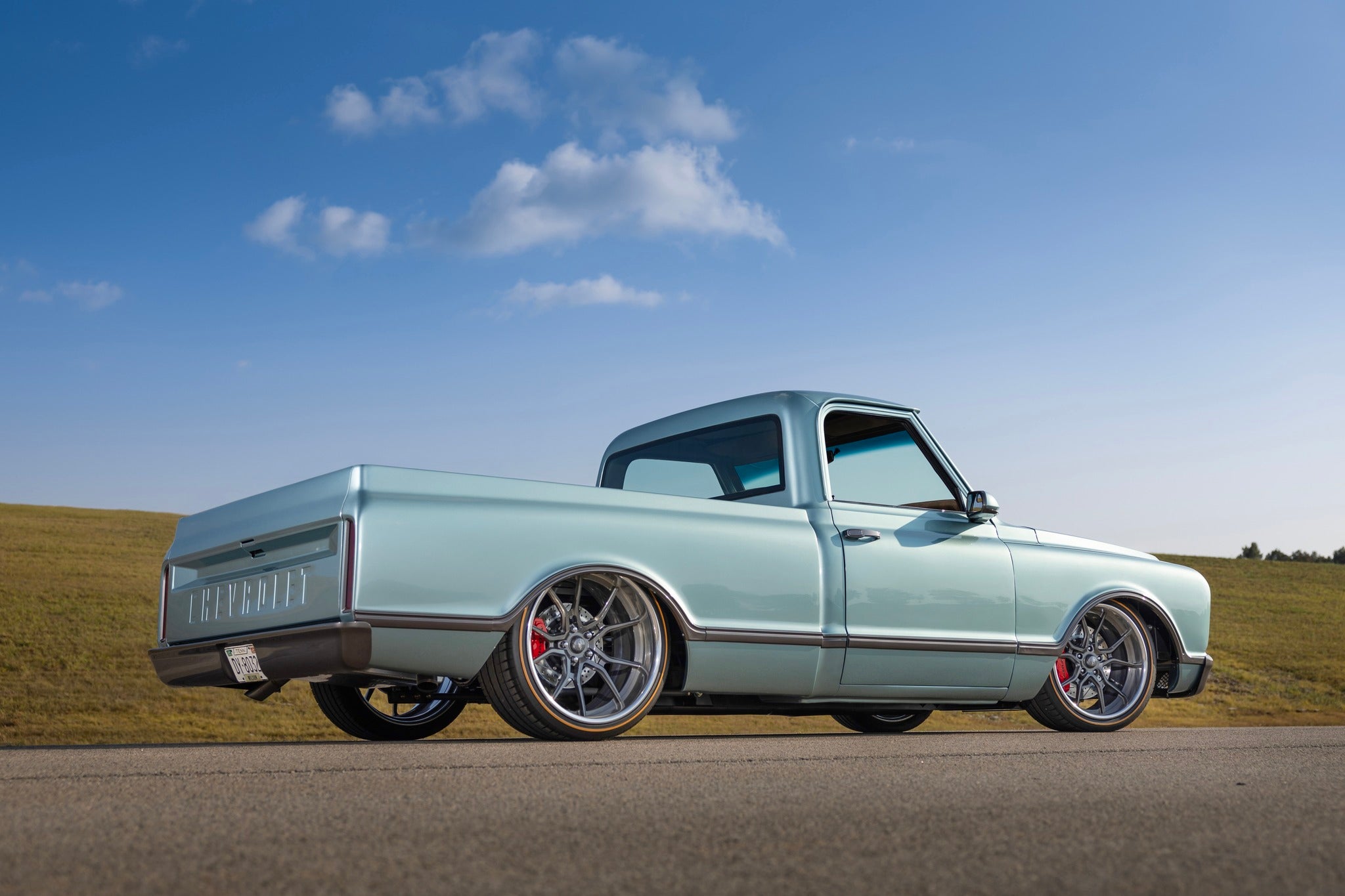
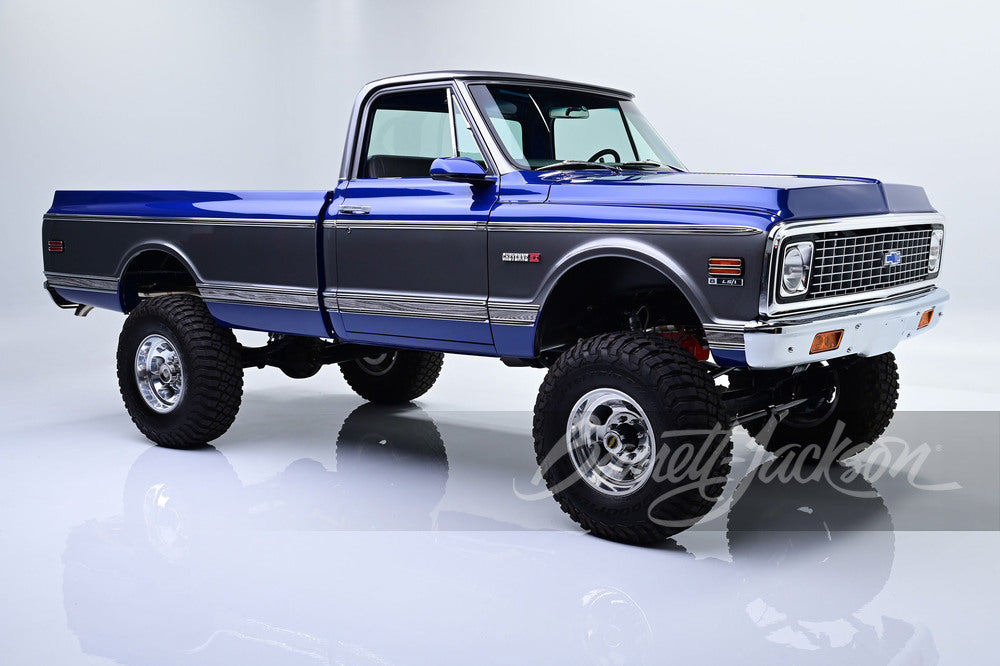

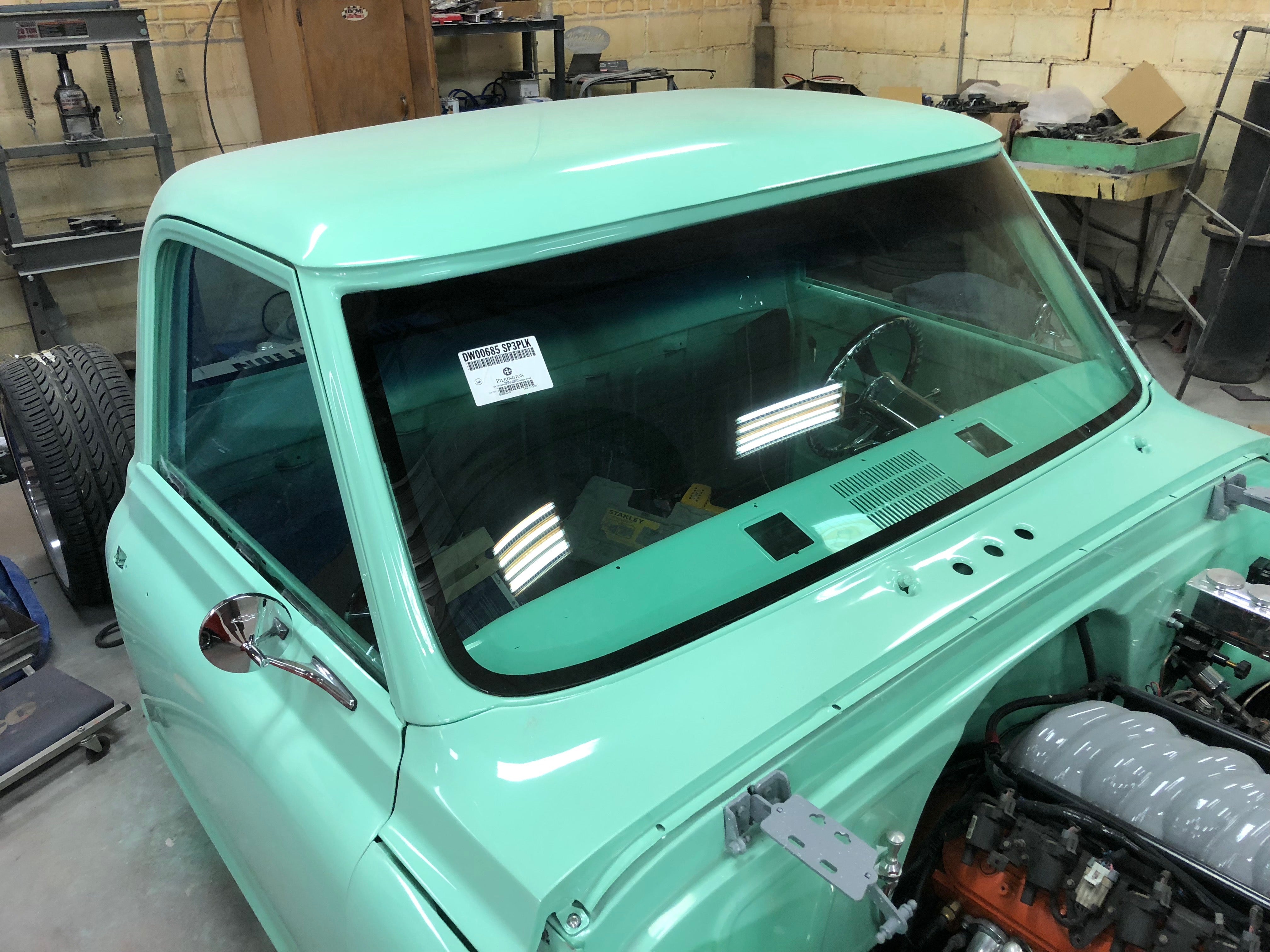
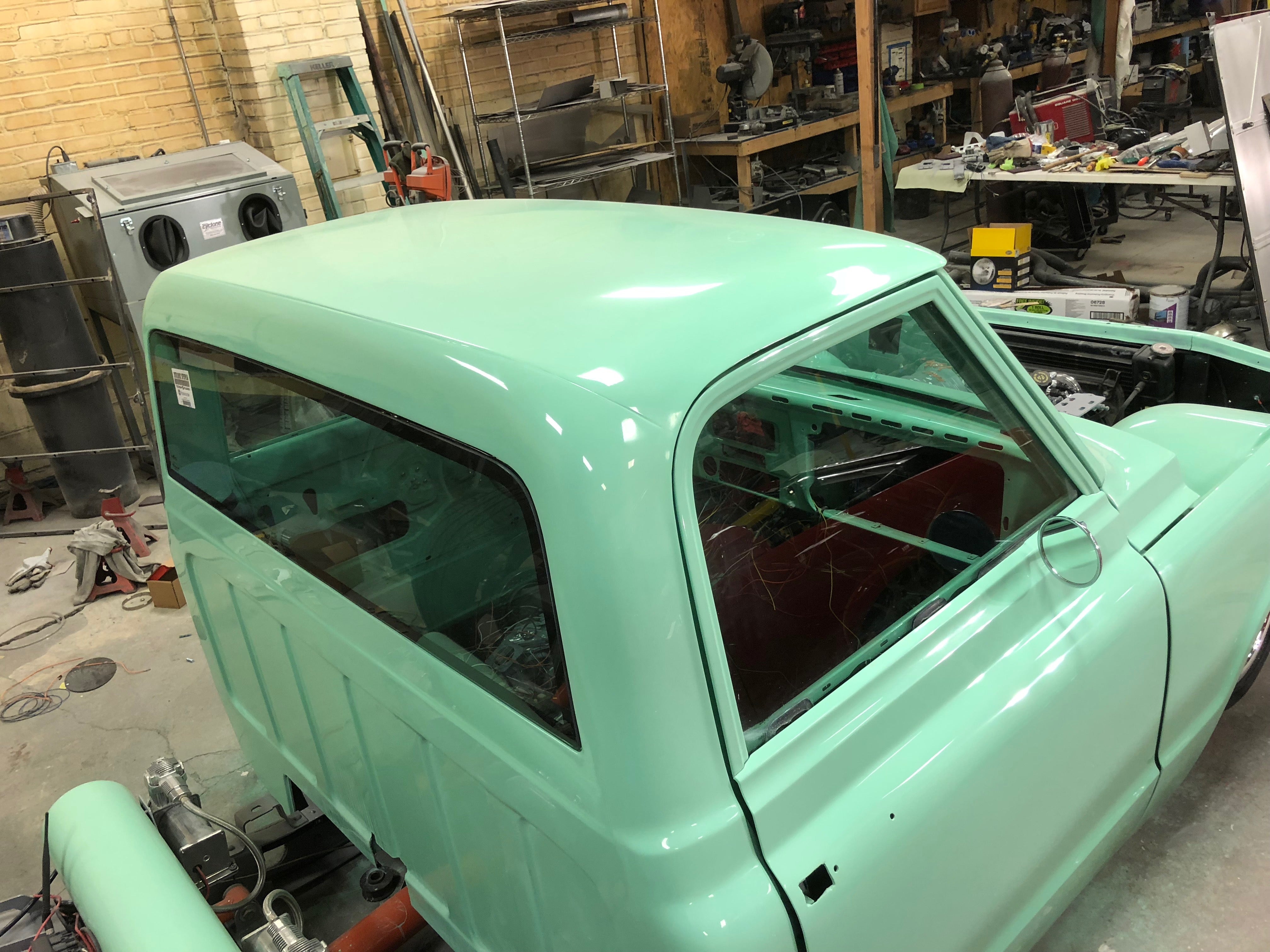


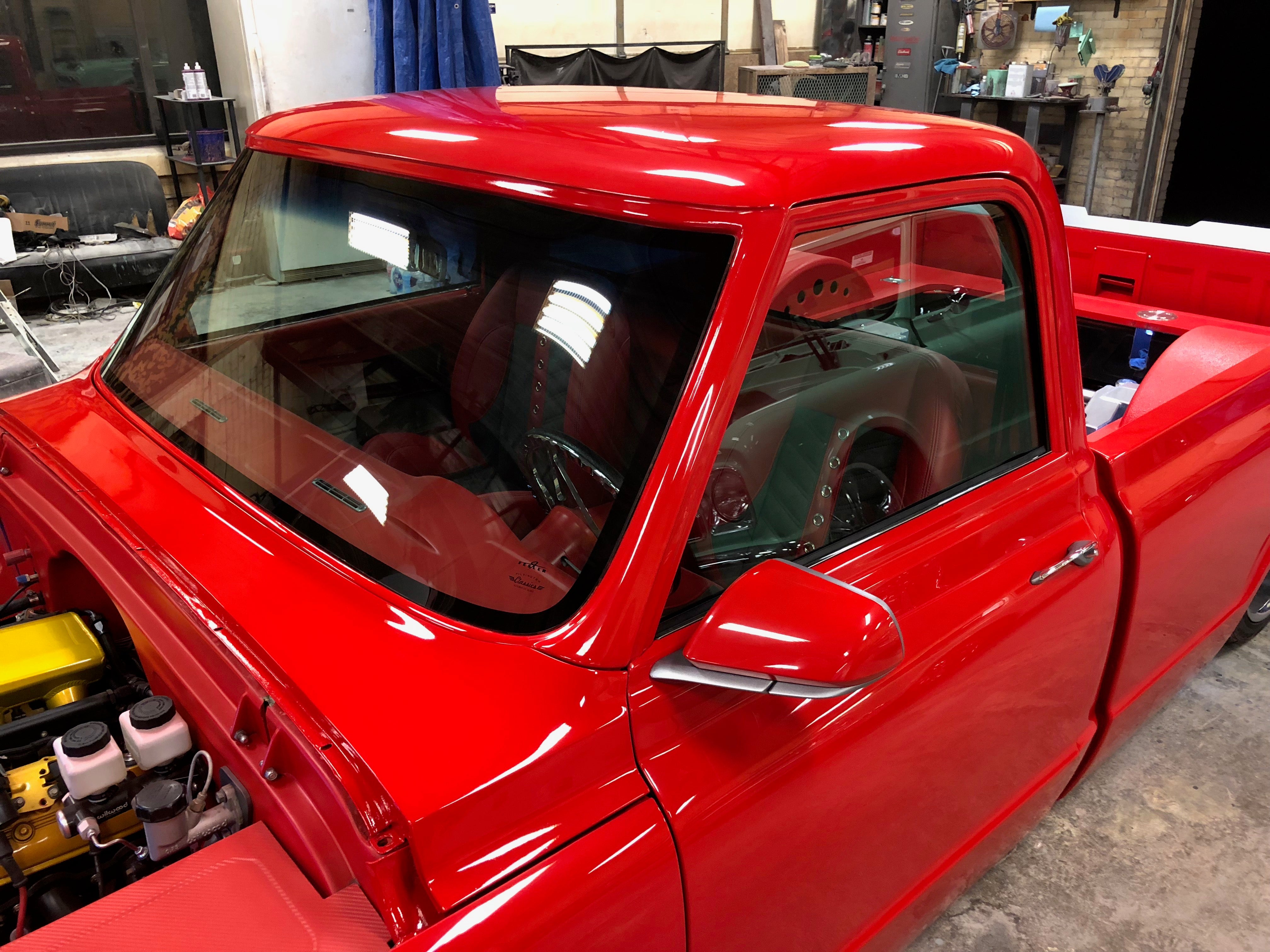
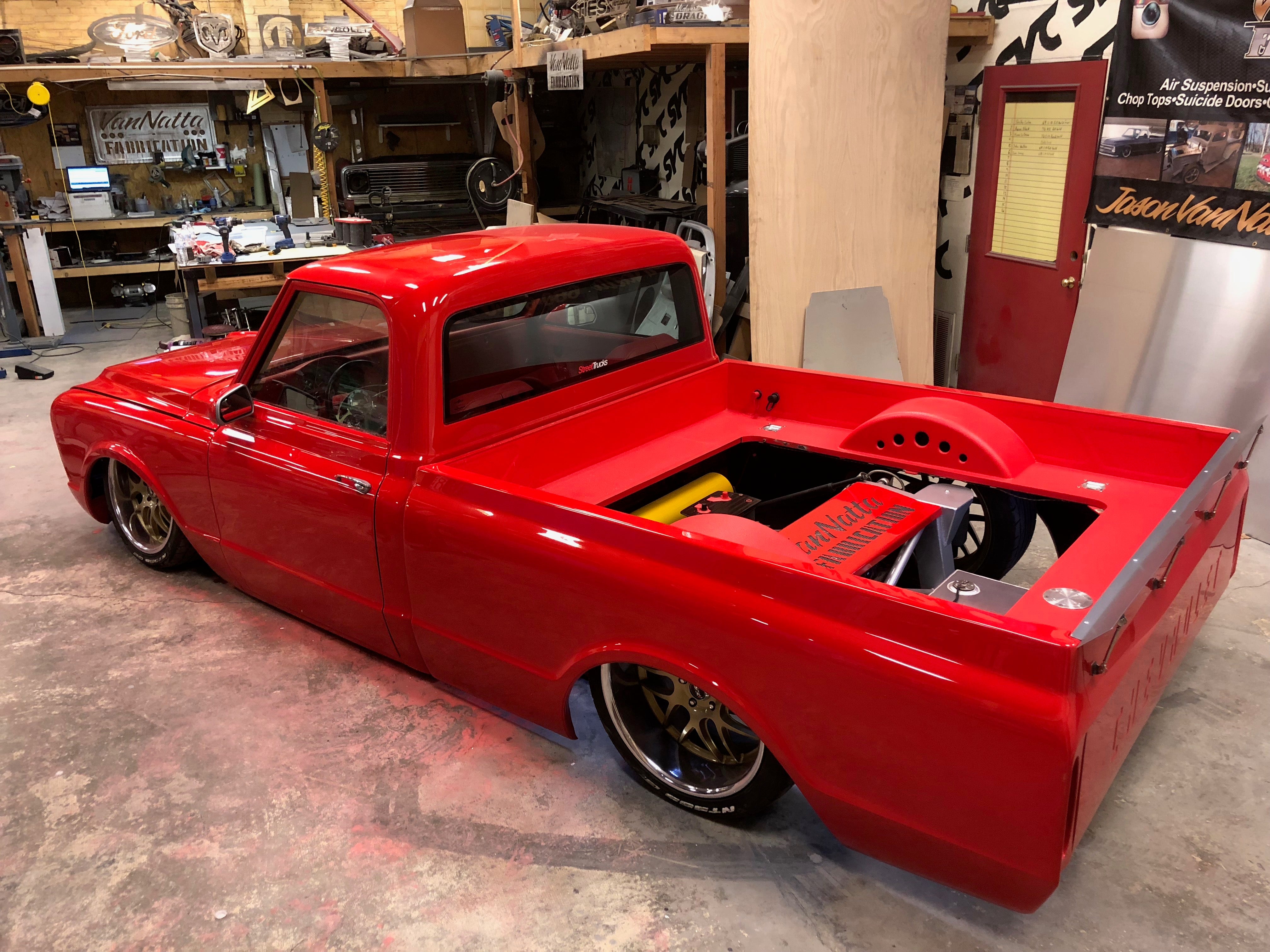


1967–1972 Chevy C10 Flush-Mount Glass Kit — DOT, Rubberless, American-Made (Front & Rear)
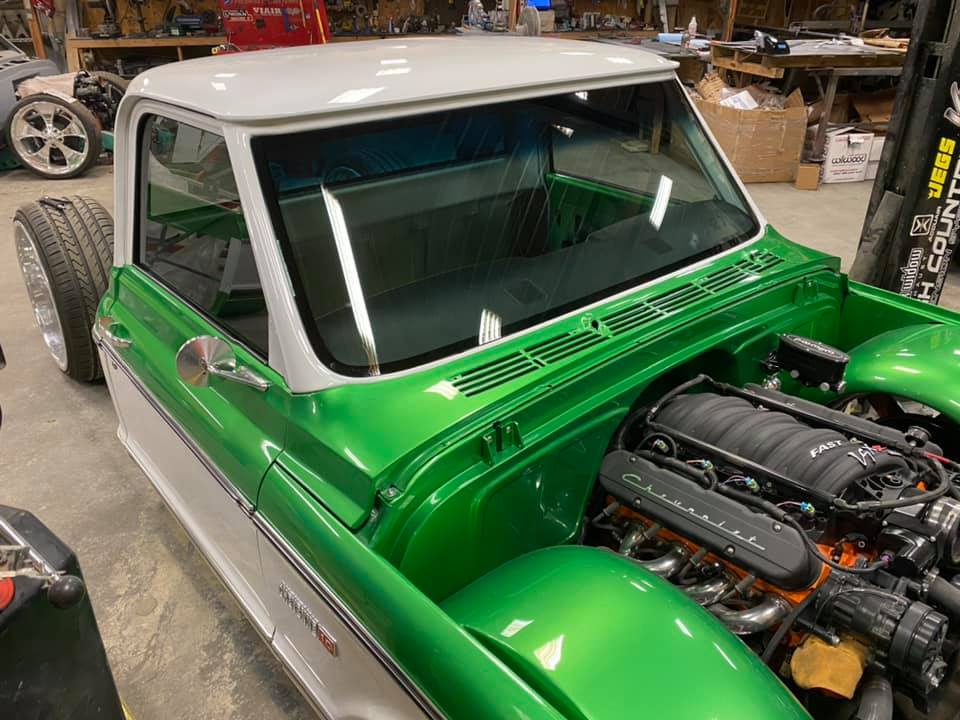
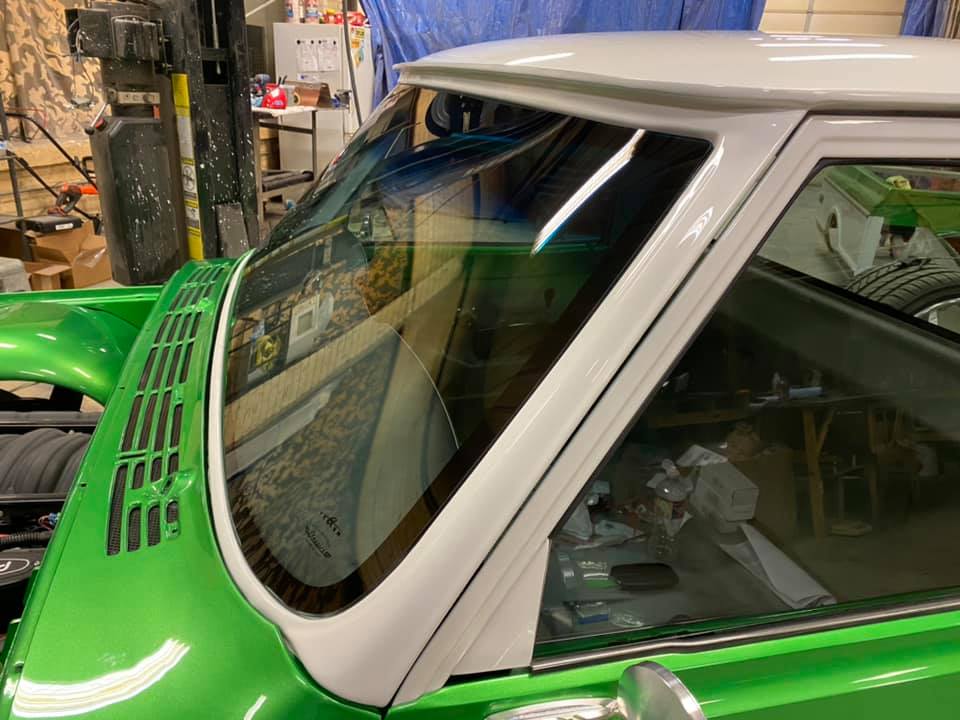
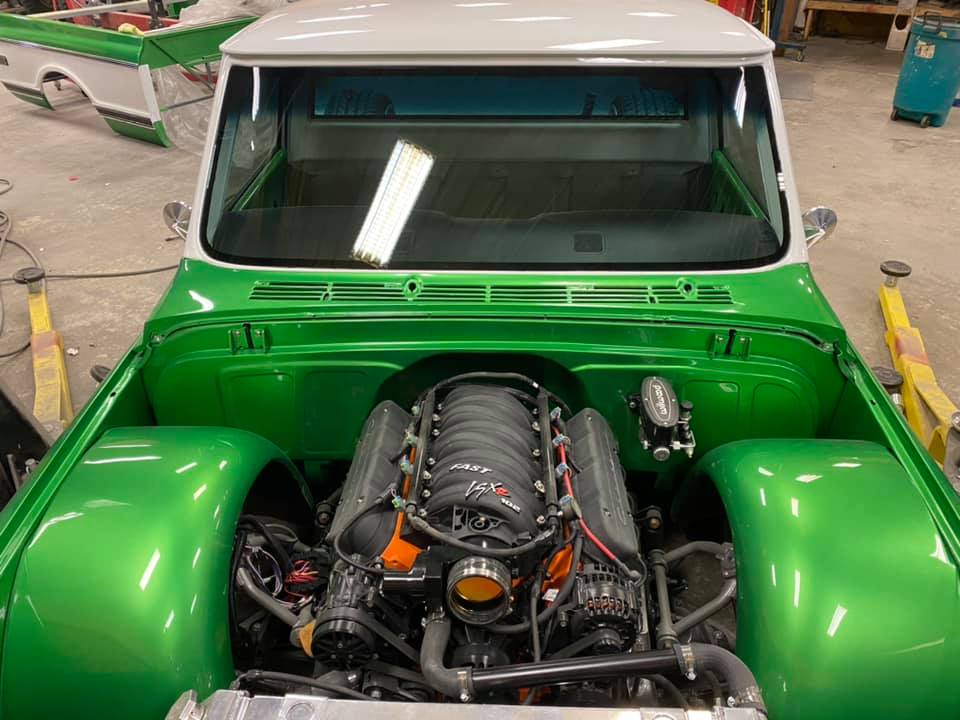
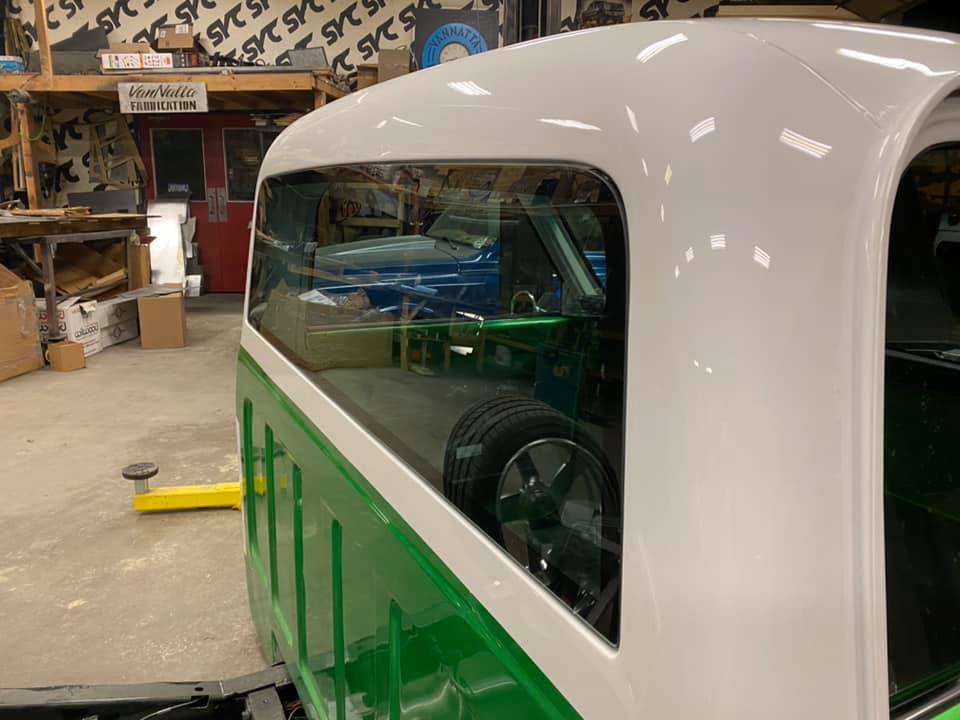
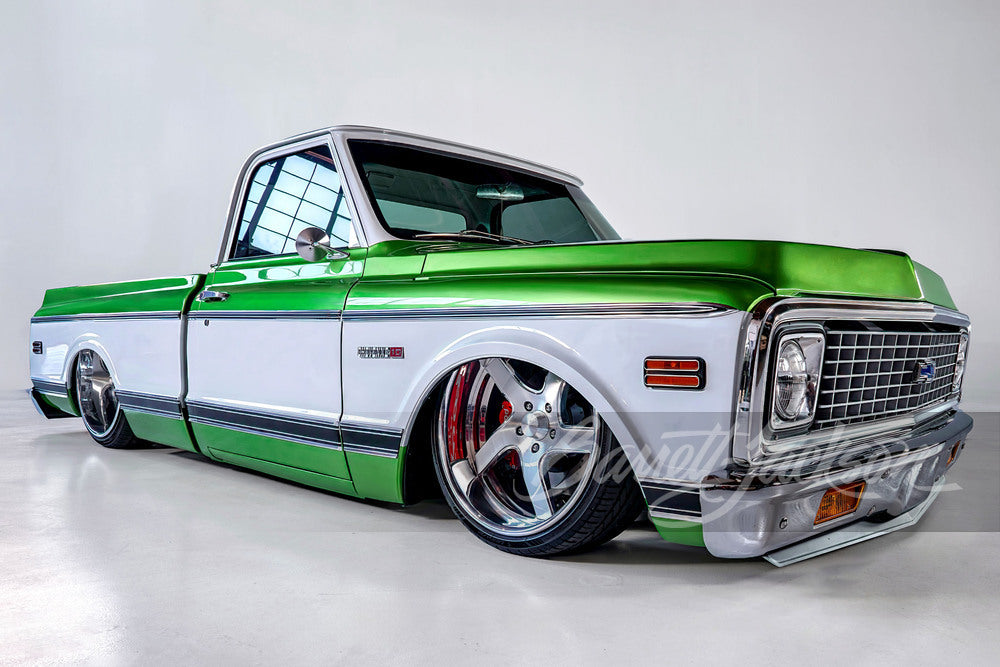
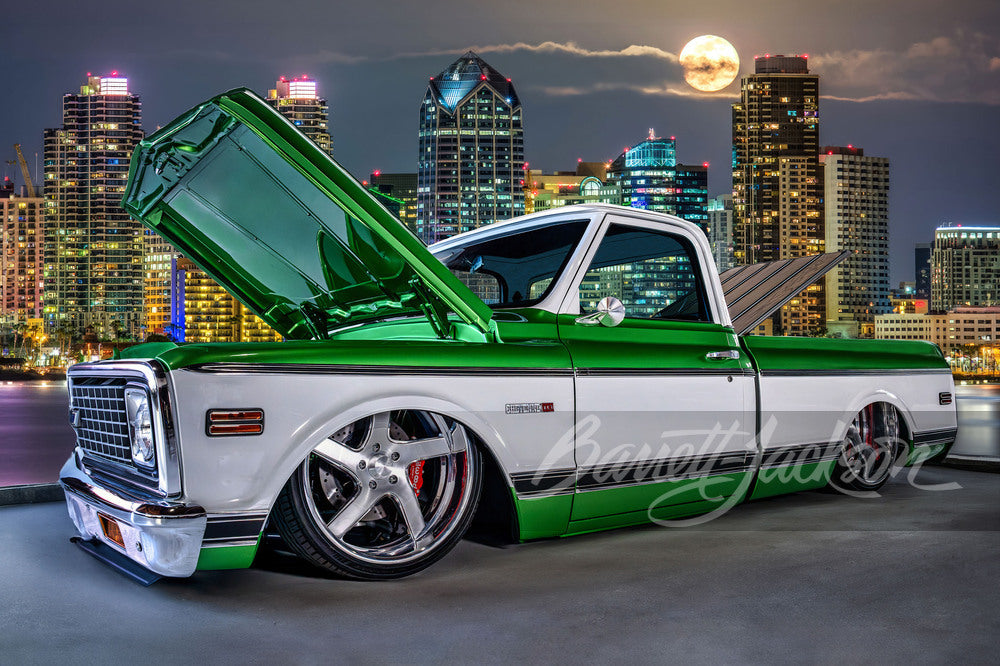
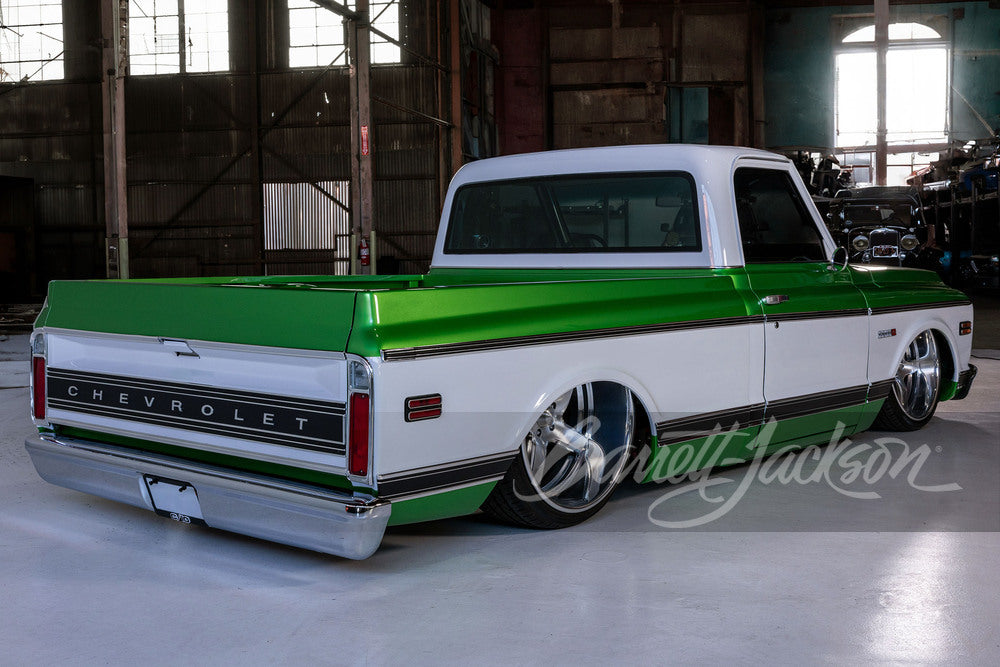
1967–1972 Chevrolet C10 / GMC Truck — DOT-Certified Flush-Mount Glass Kit — Front Windshield and Rear Glass — Rubberless Trim-Delete — Laminated and Tempered — American-Made — Hand-Built in Phoenix, Arizona
Shipping & lead time
Estimated ship time: 10–15 business days. Each glass order requires custom freight packaging and scheduling. Tracking information will be emailed once available. Please allow up to 10 days after payment before requesting shipping updates.
American-Made Quality. Designed, prototyped, molded, and manufactured in North America for OE-plus geometry, clarity, and fit. This is not import glass resized to approximate fit. This is glass engineered from the ground up for the 1967–1972 C10/GMC truck.
Fits 1967–1972 Chevrolet C10 and GMC 1/2-ton trucks (standard cab). Front windshield and rear glass included.
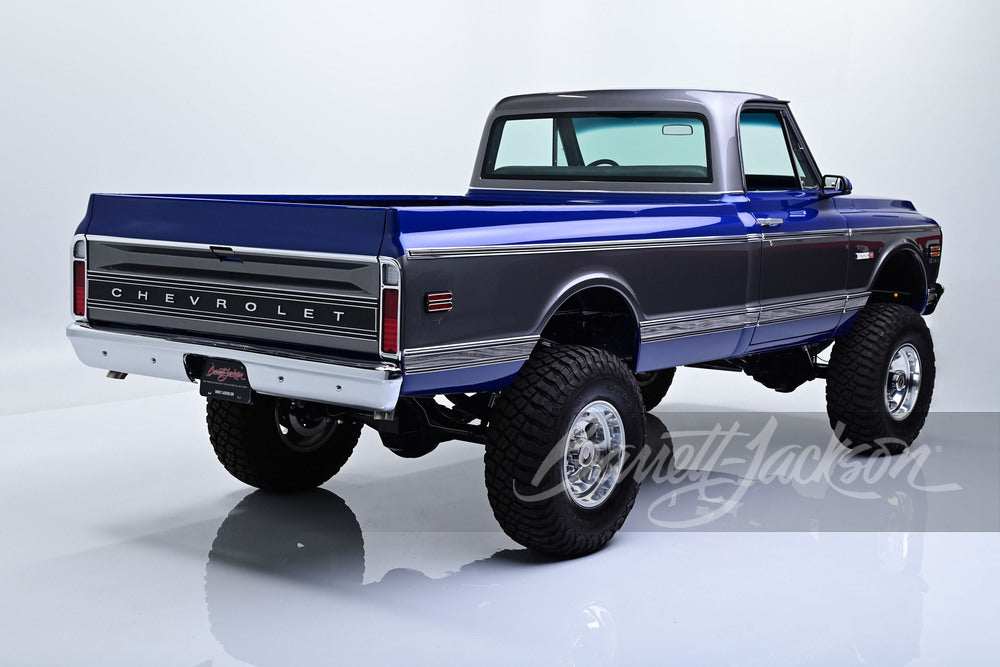
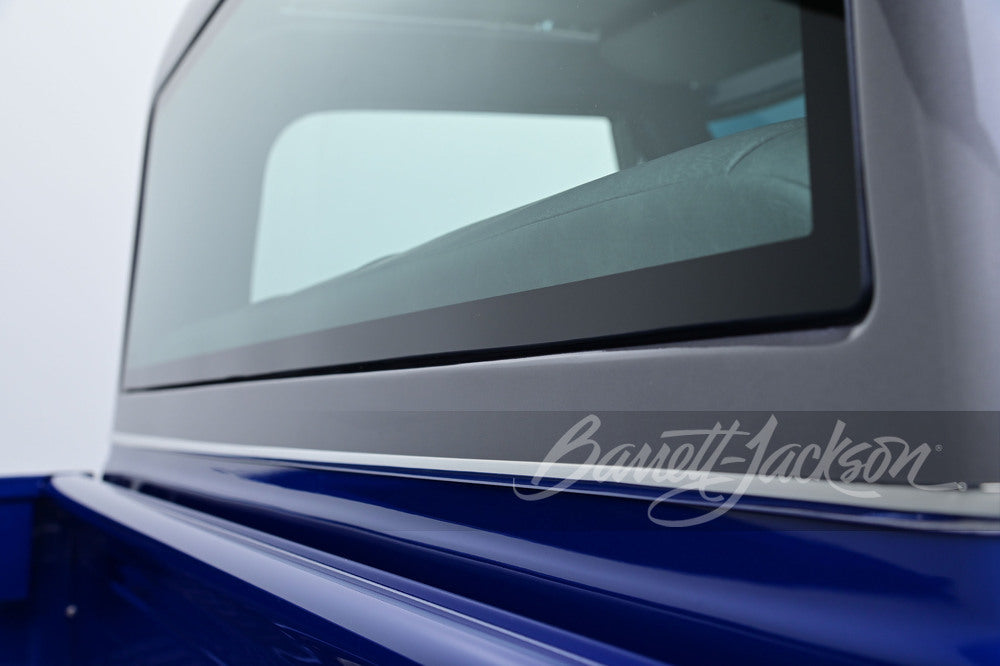
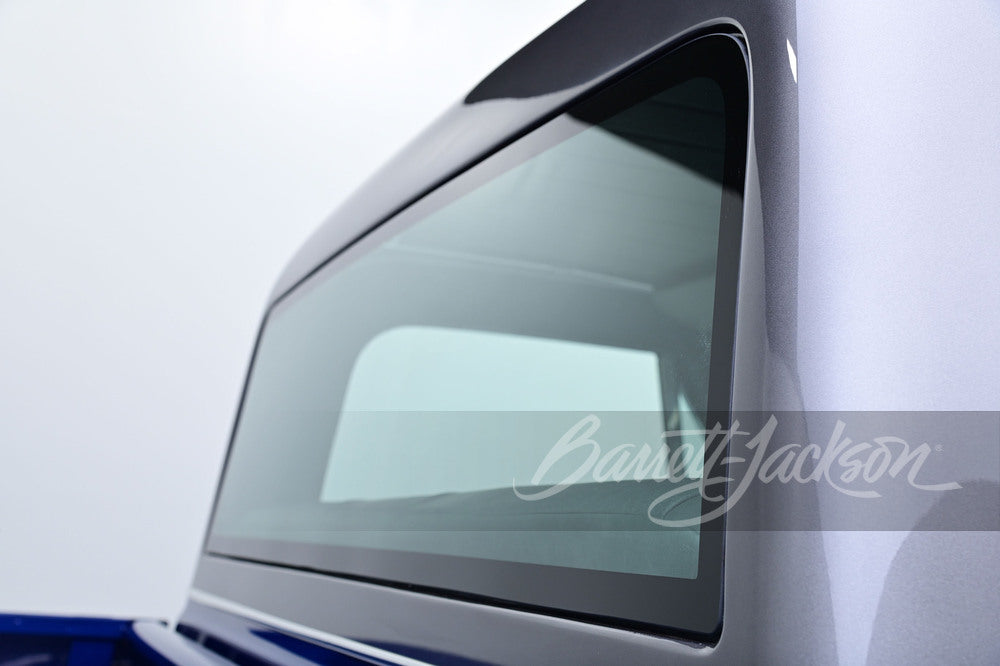
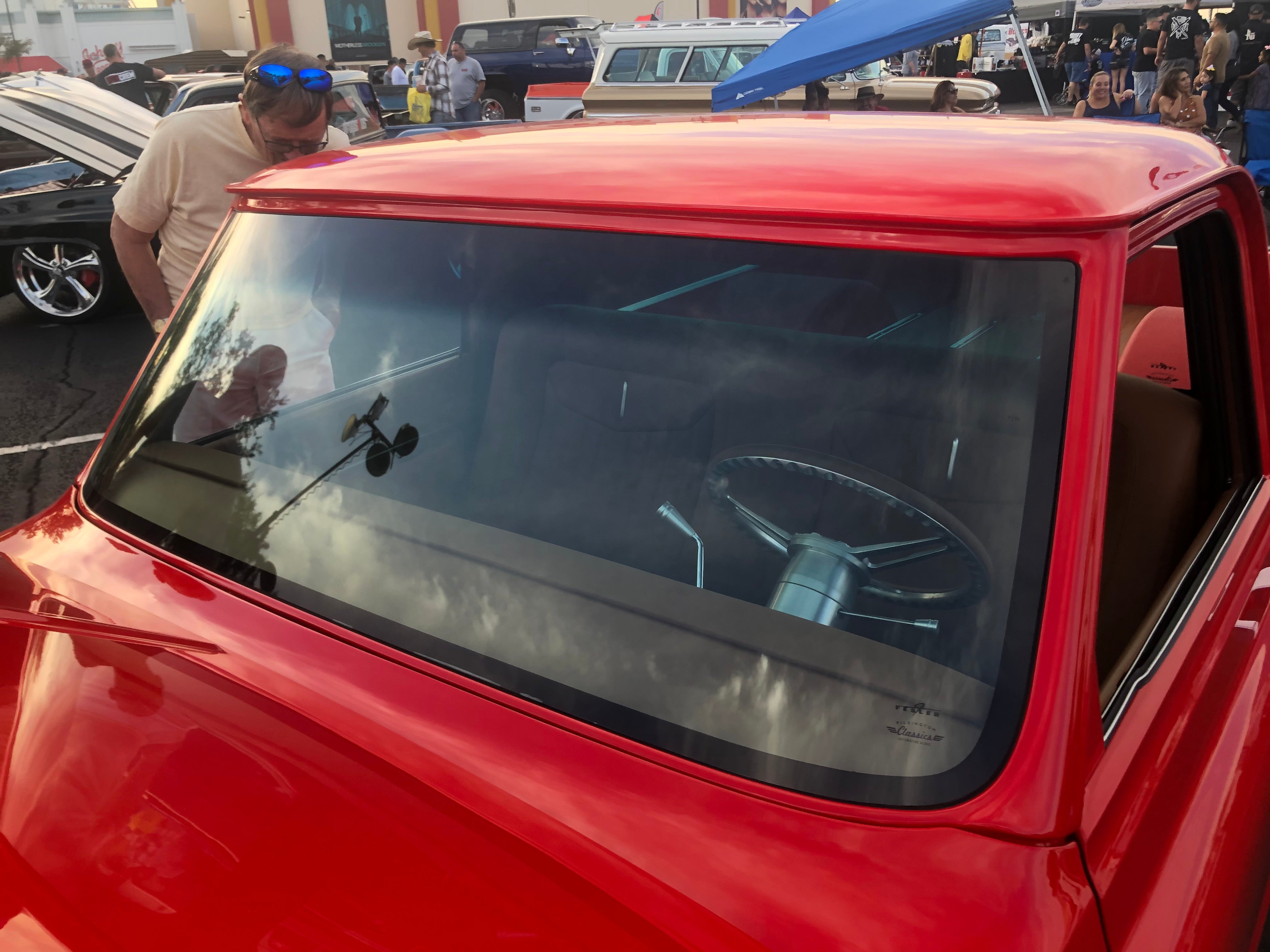
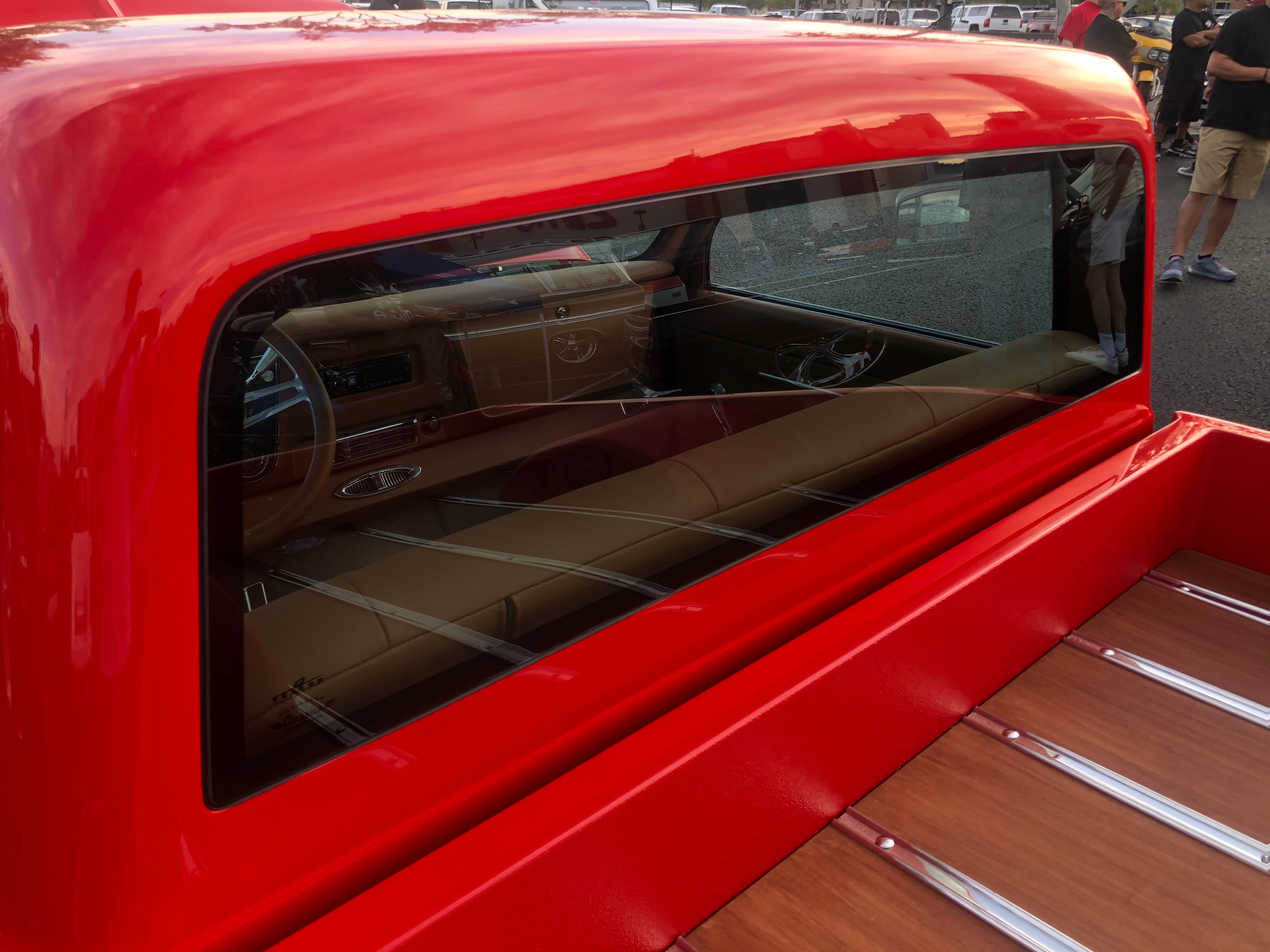
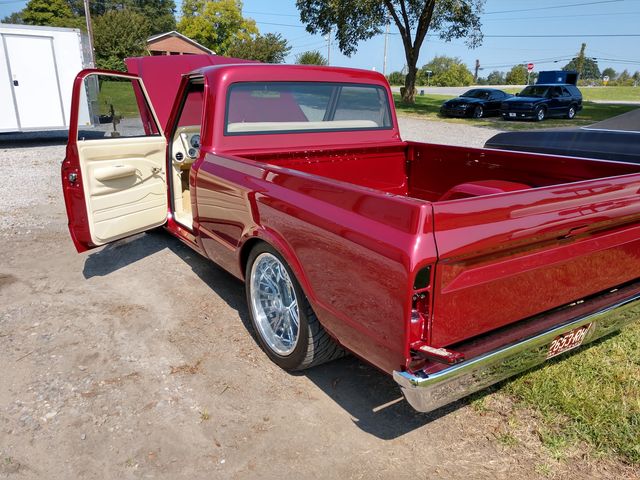
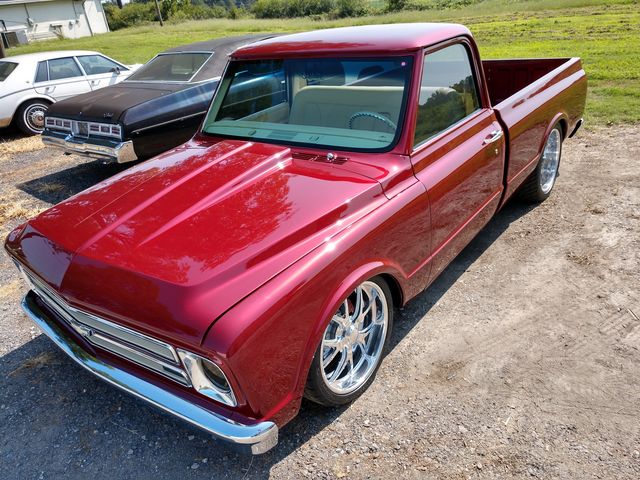
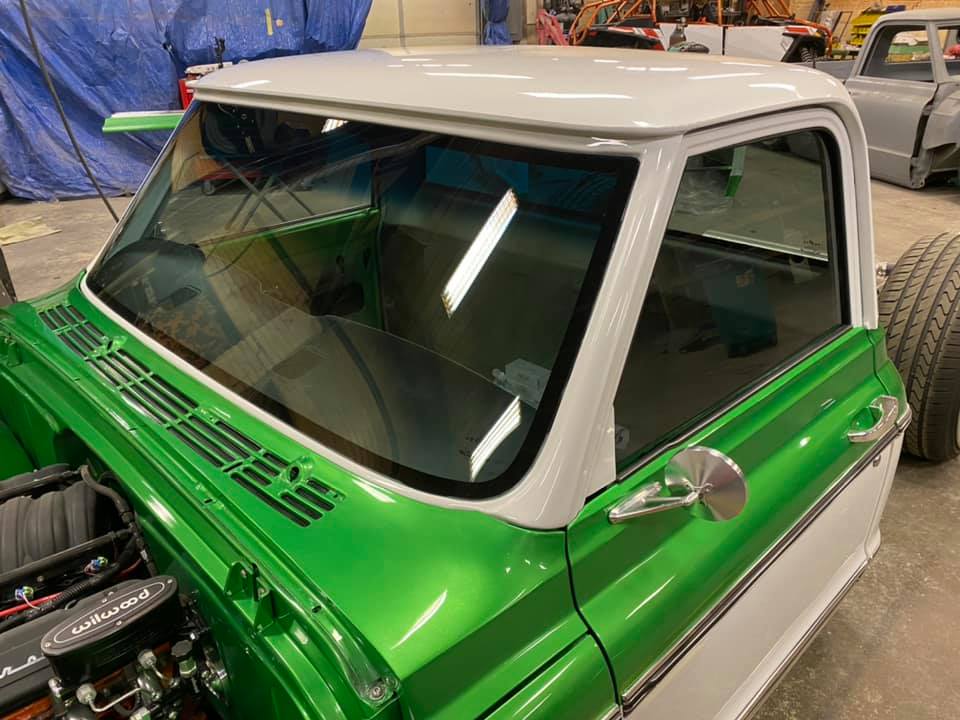
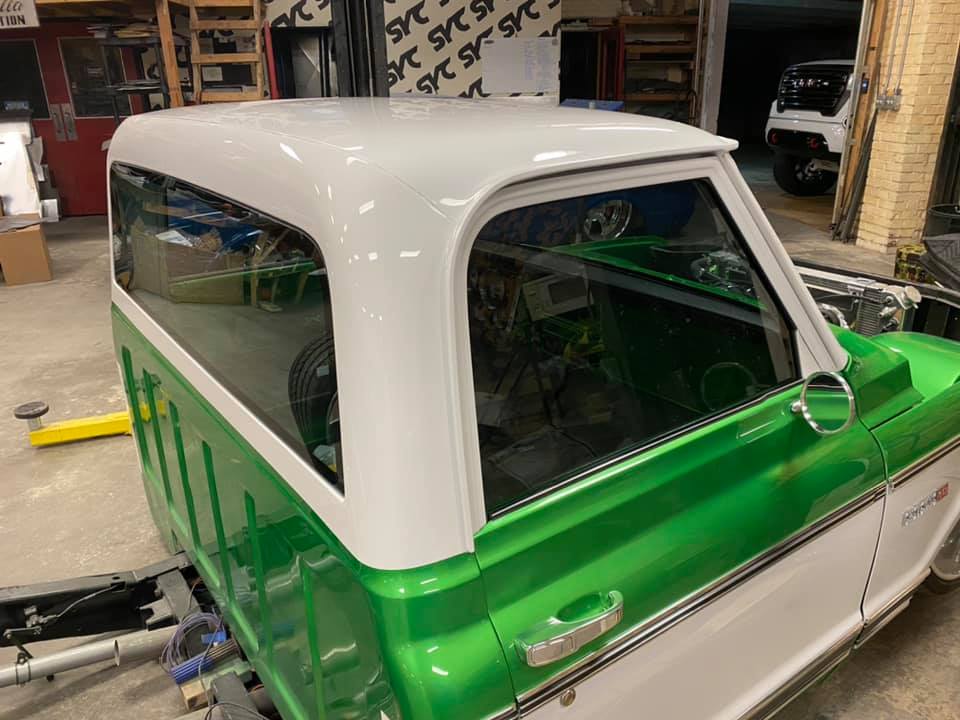
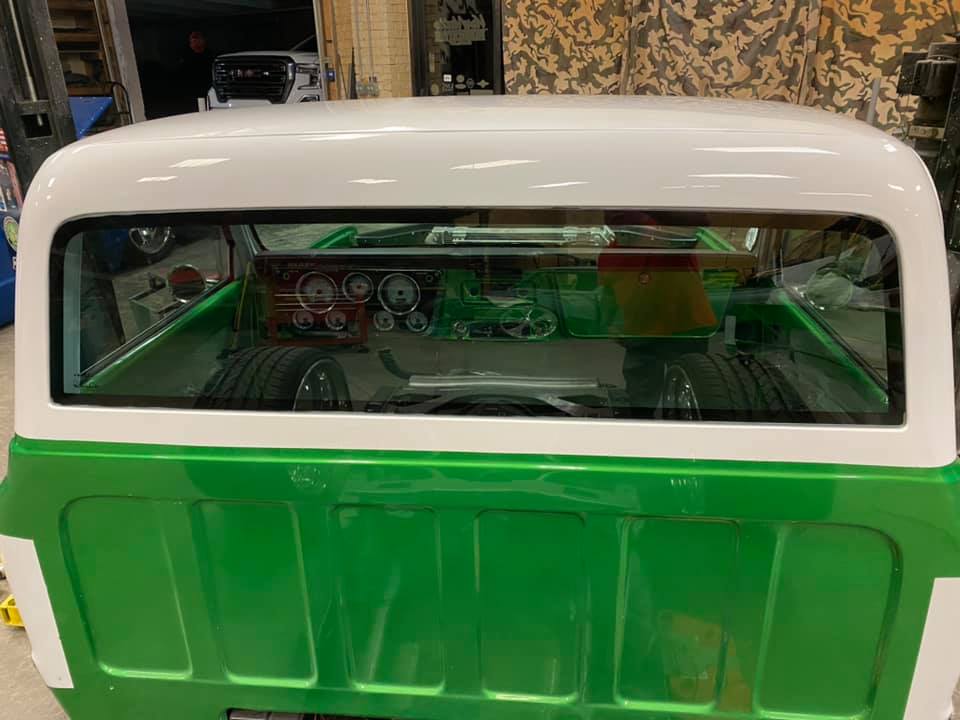
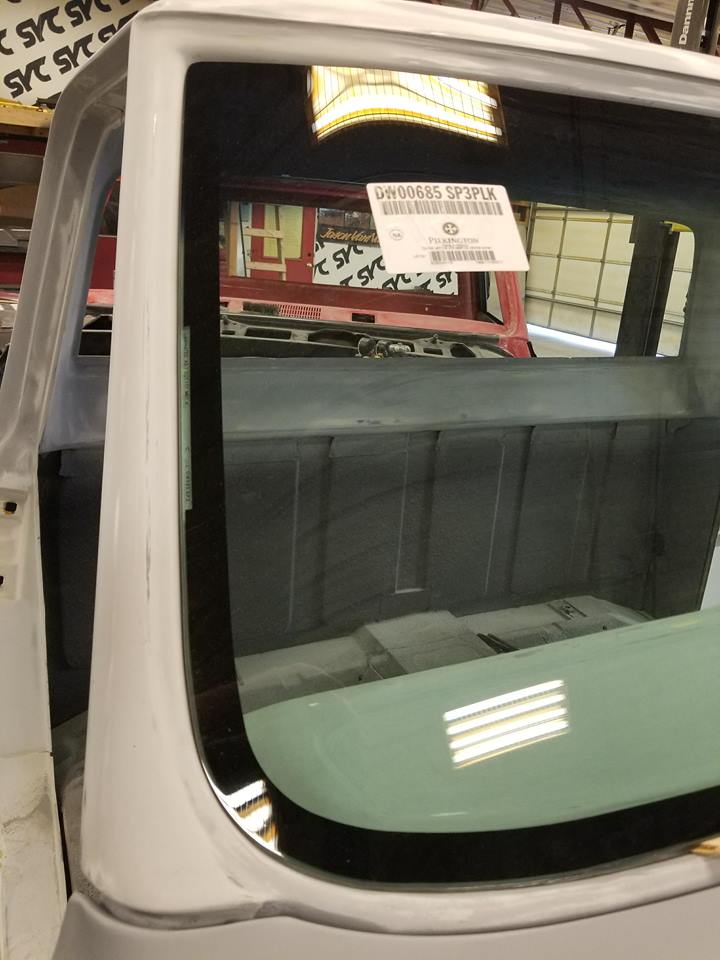
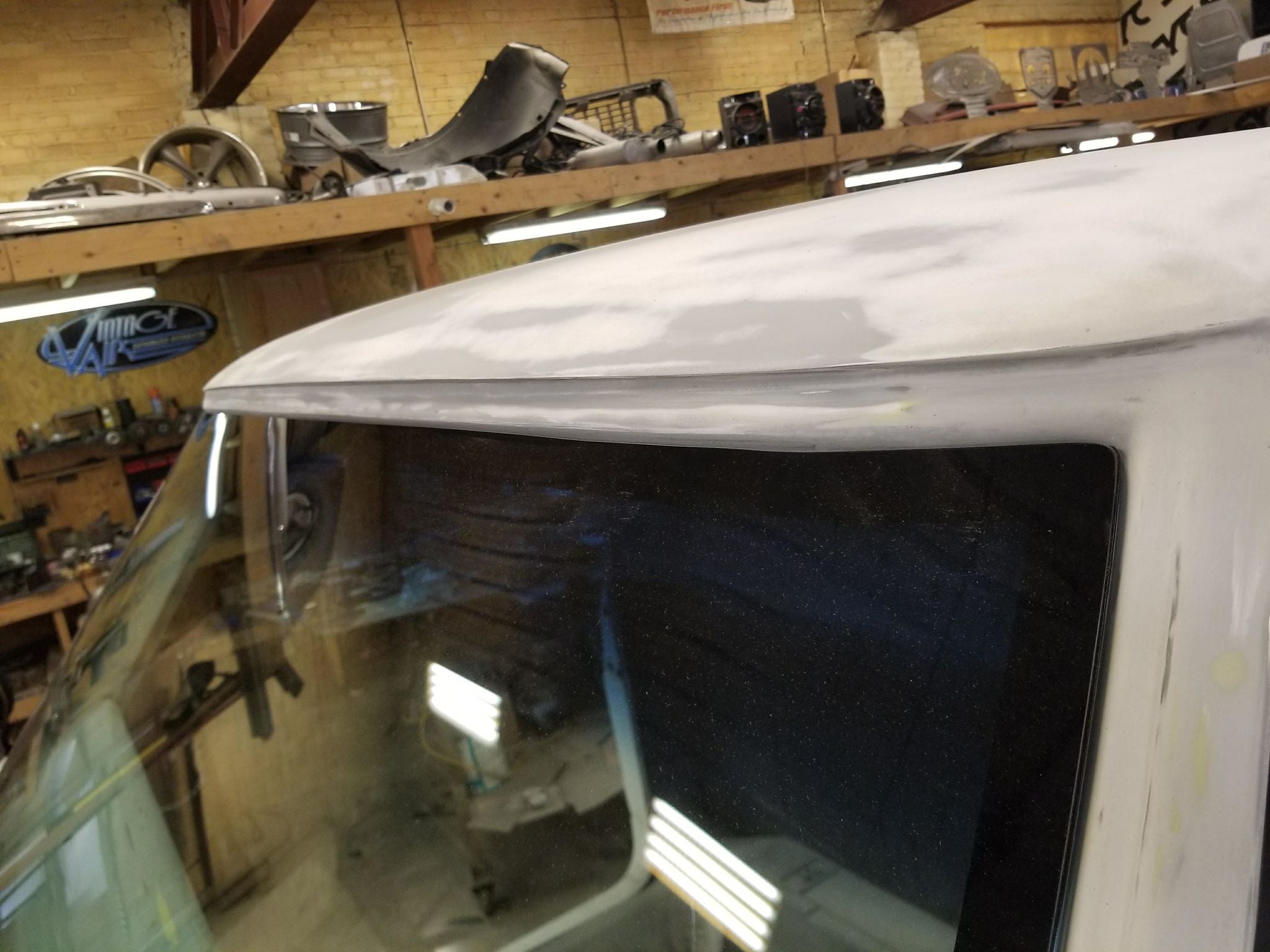
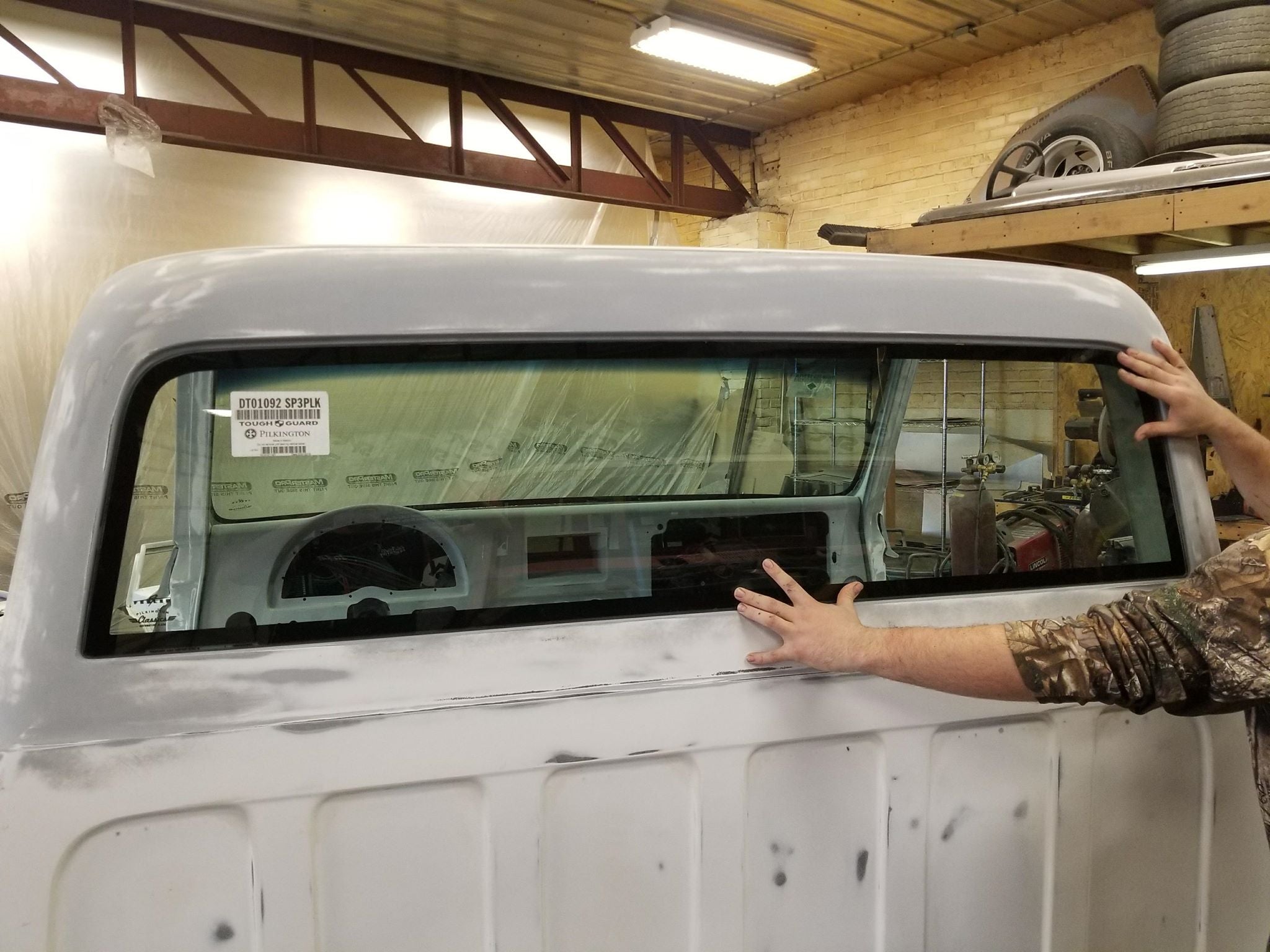
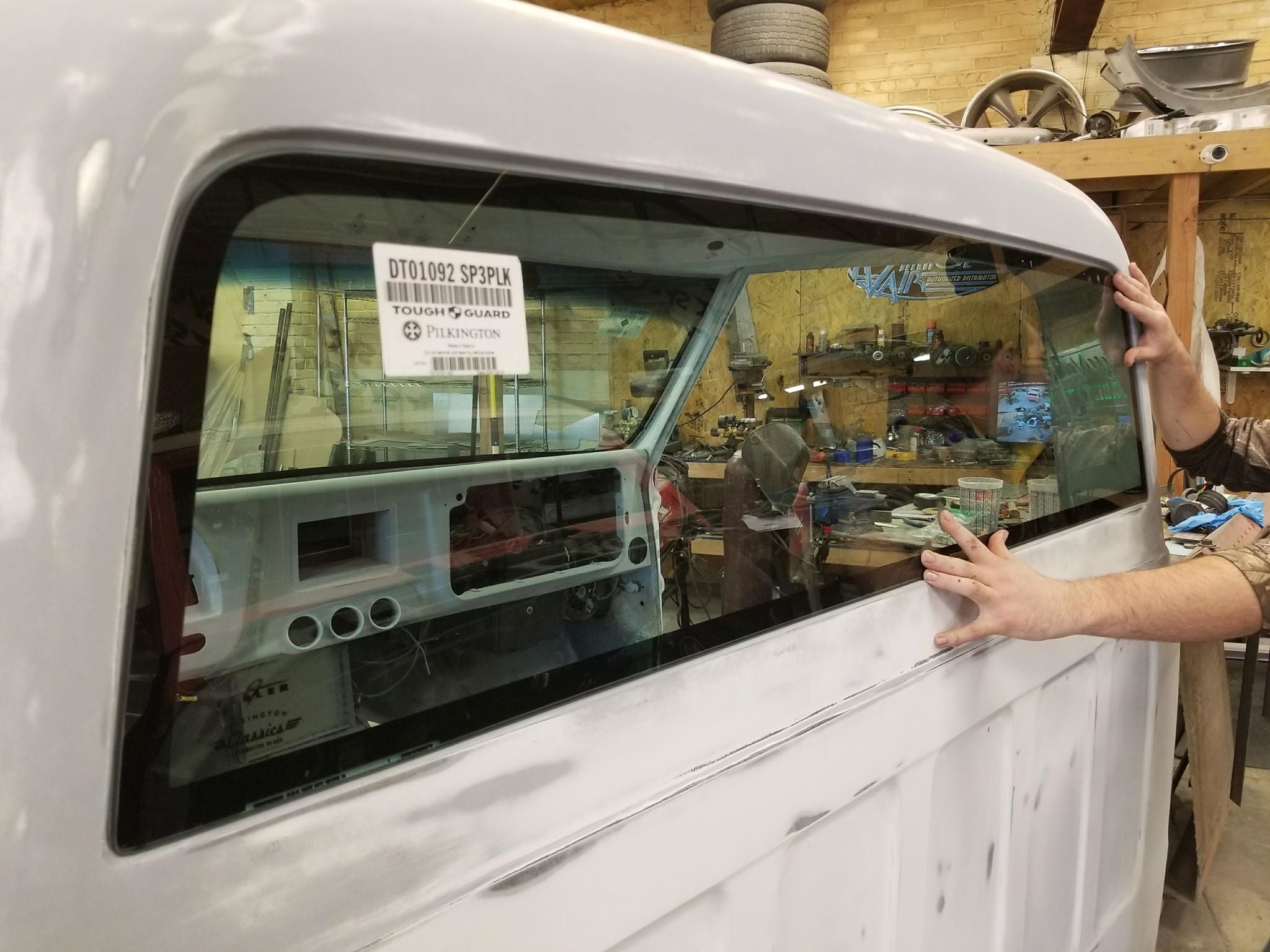
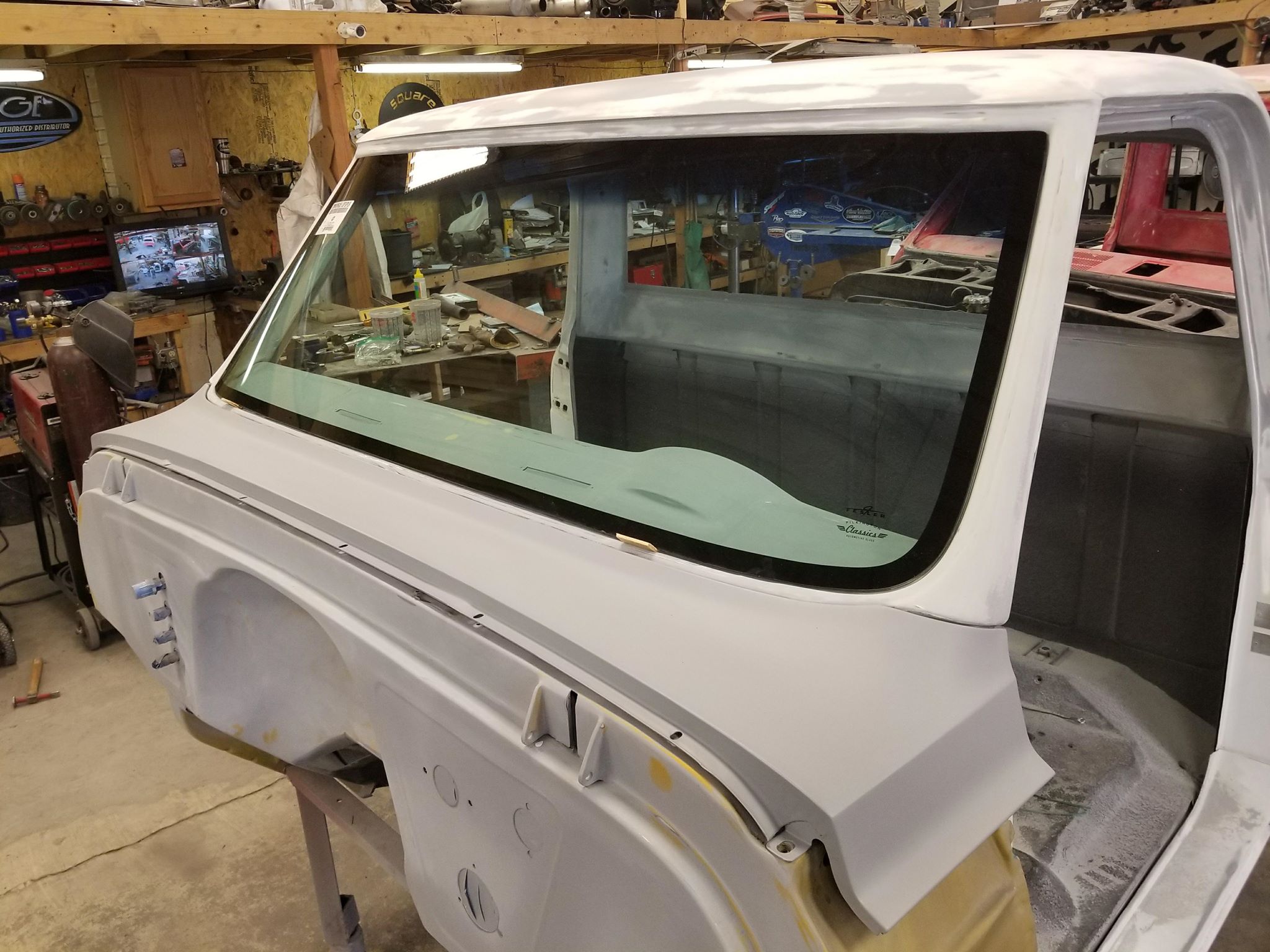
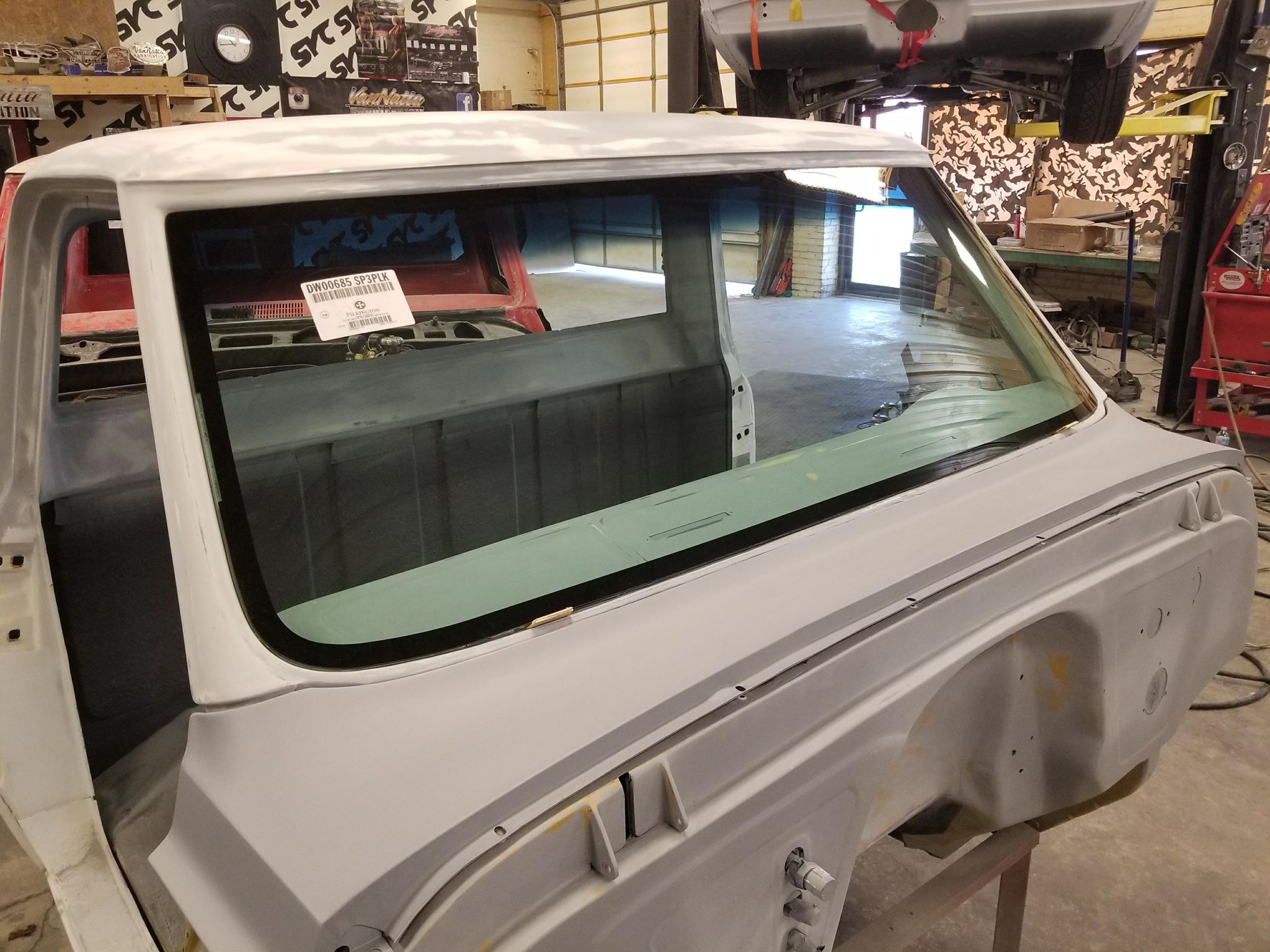
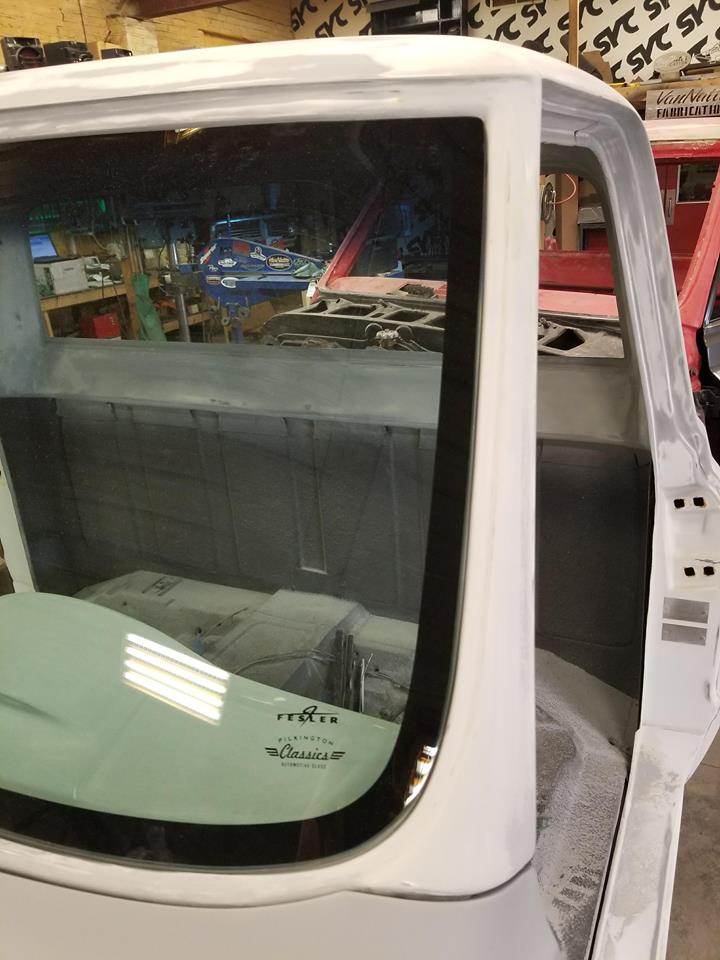
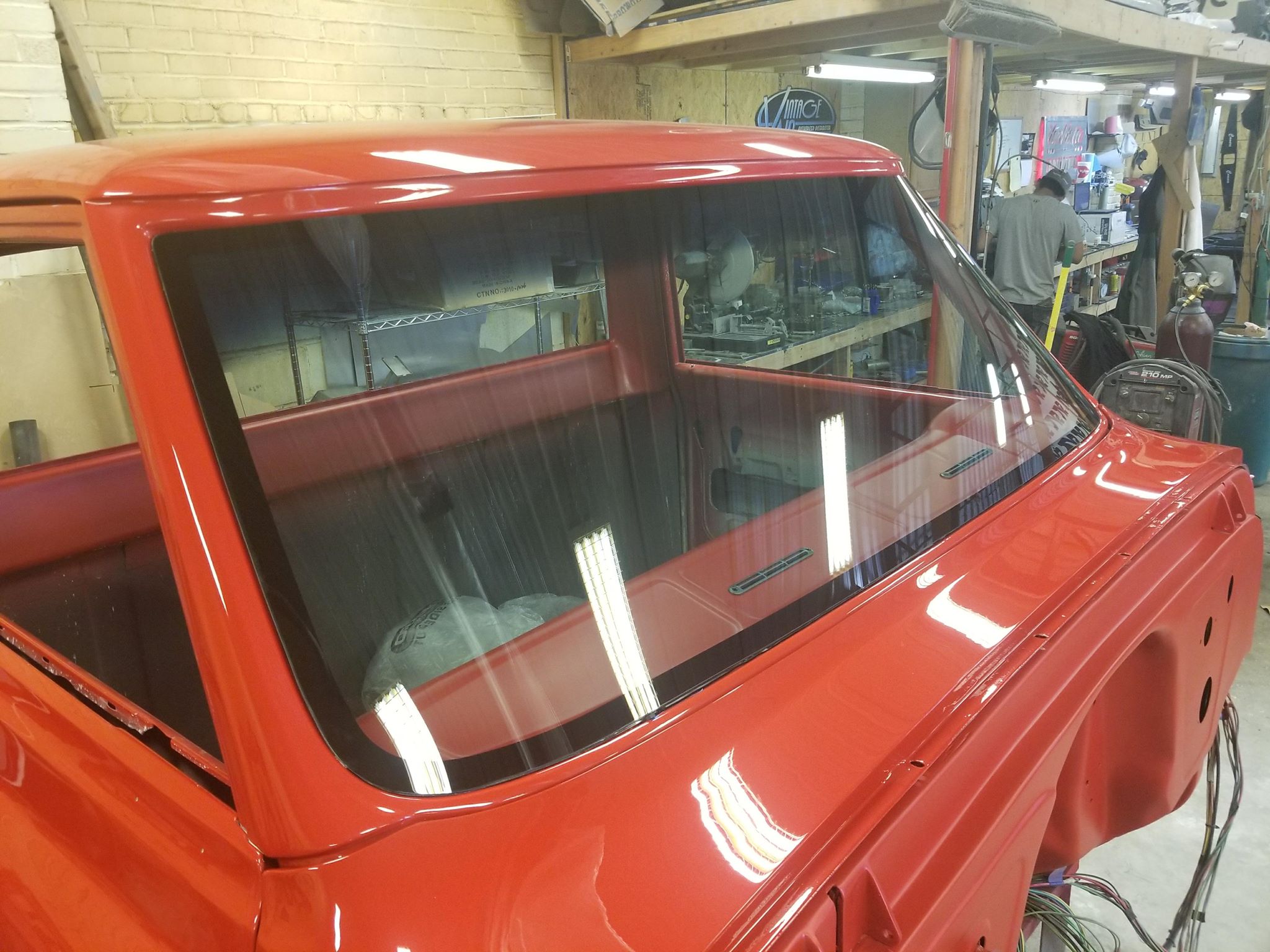
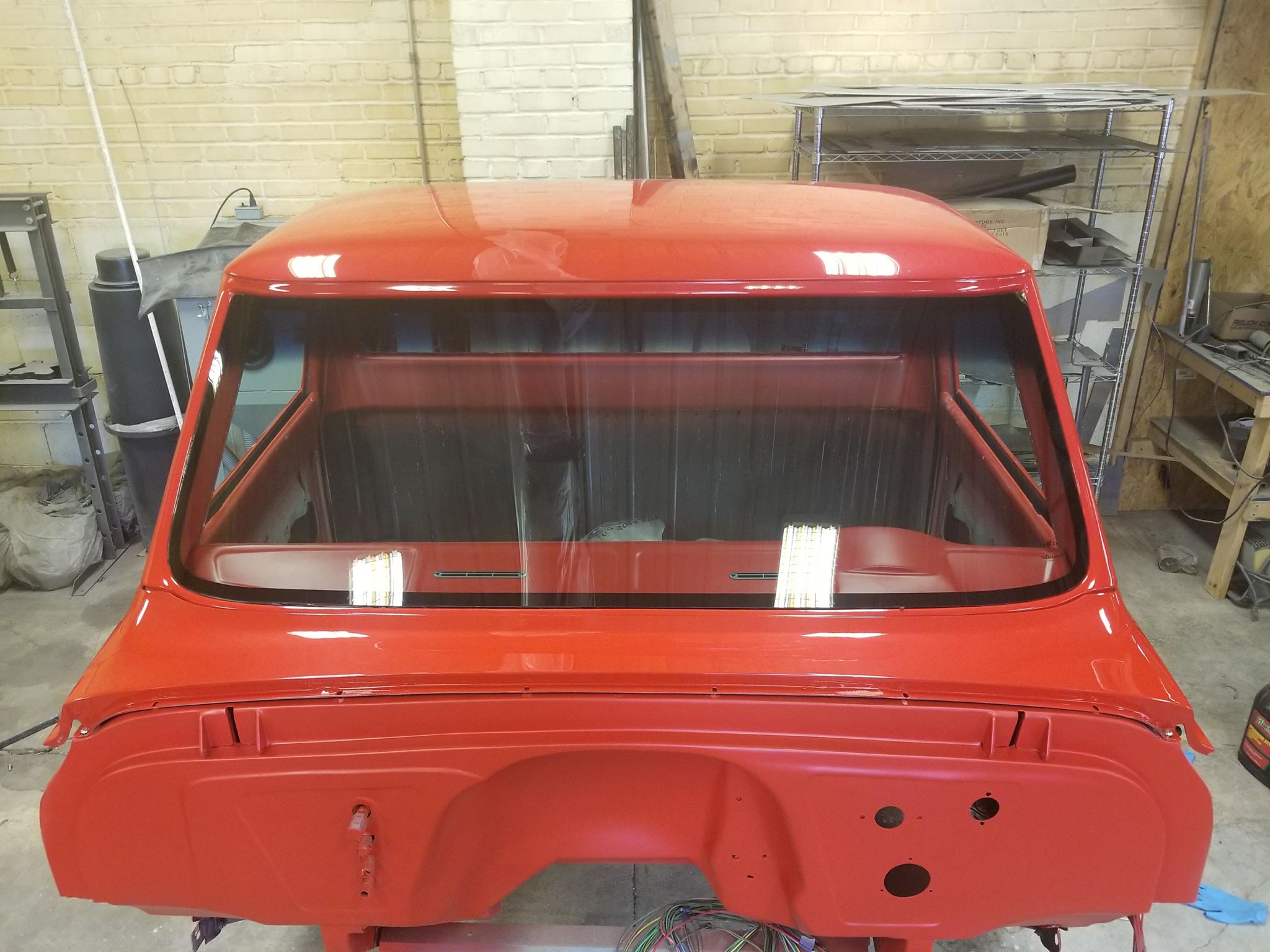
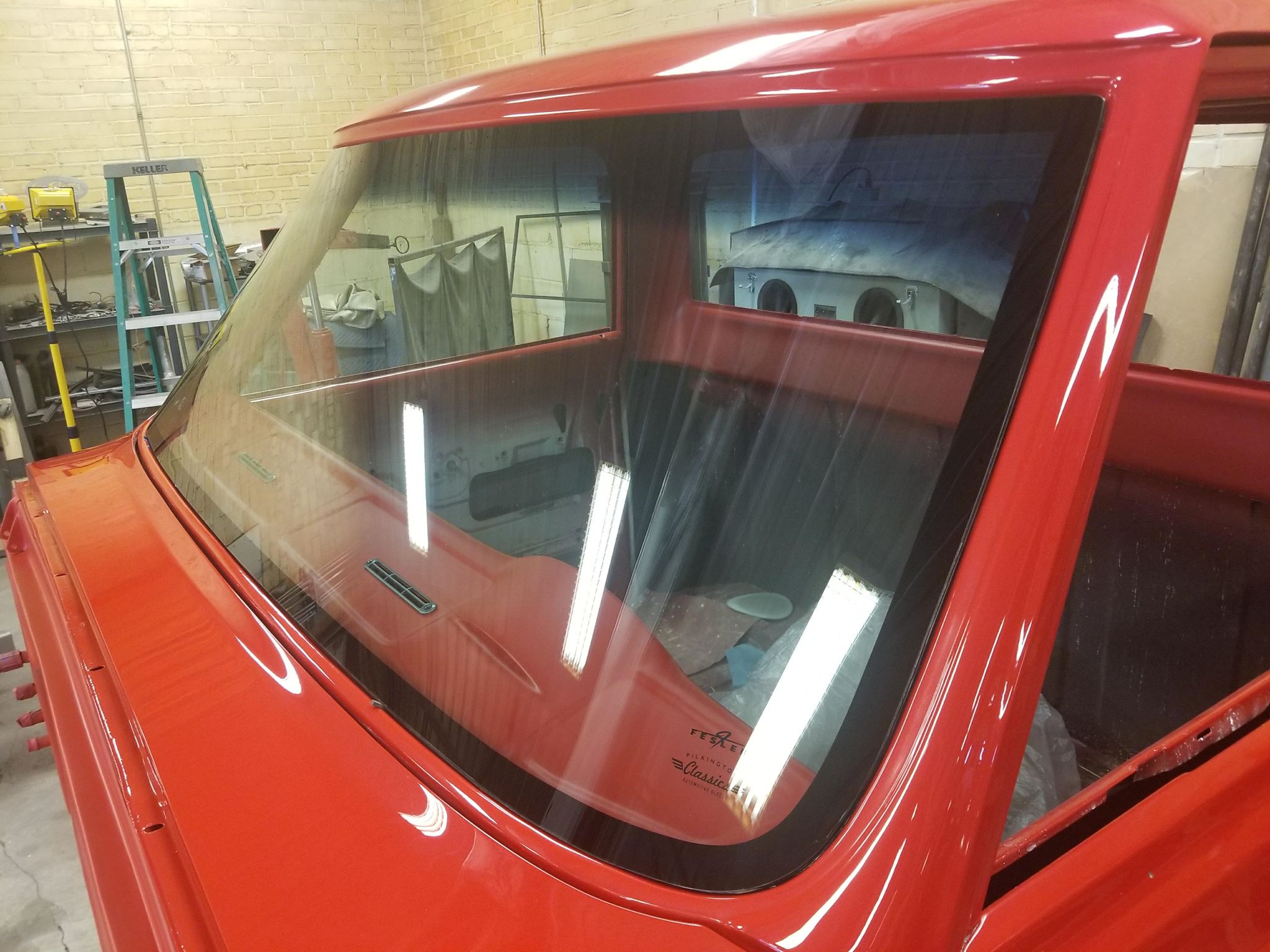
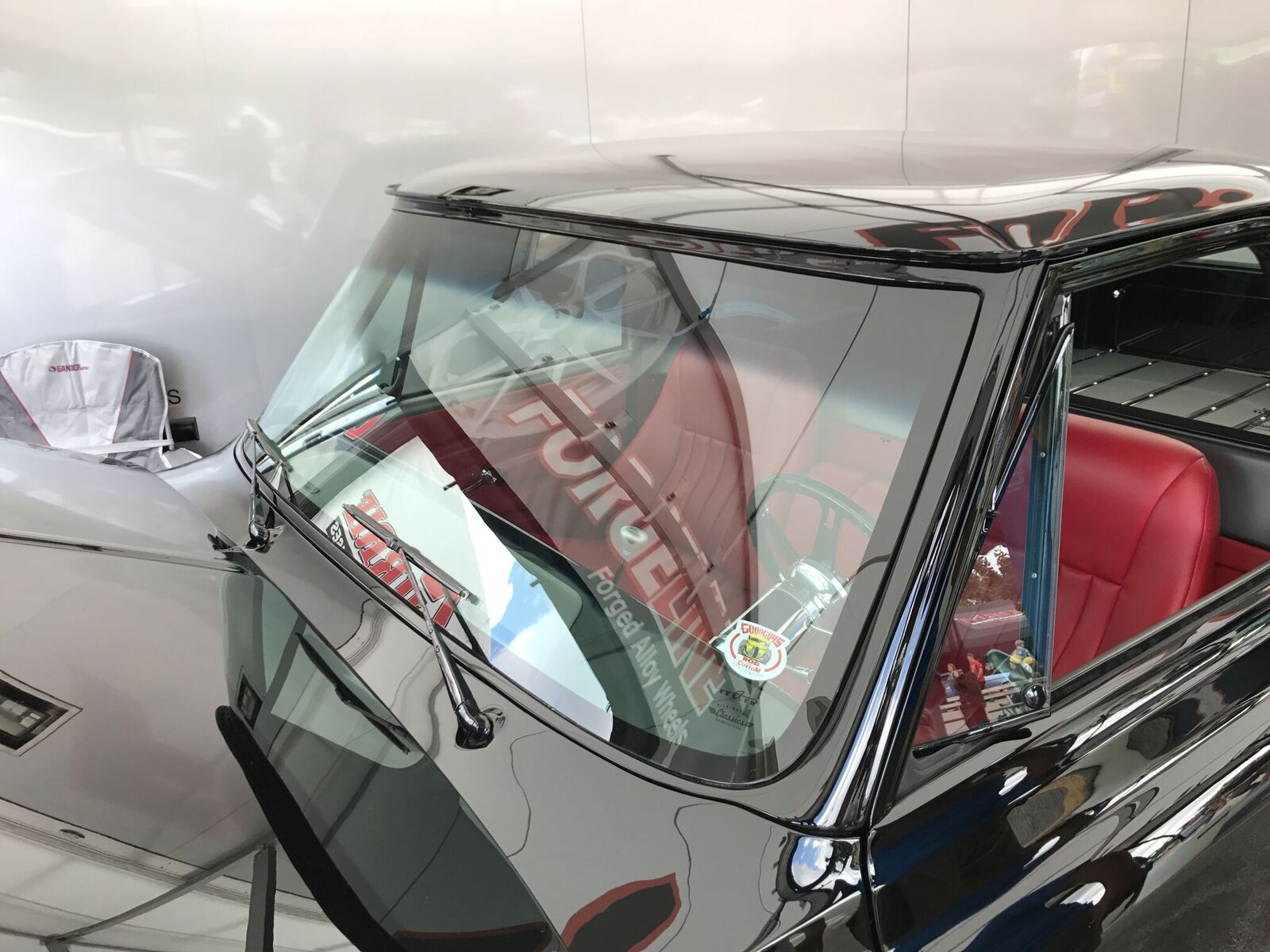
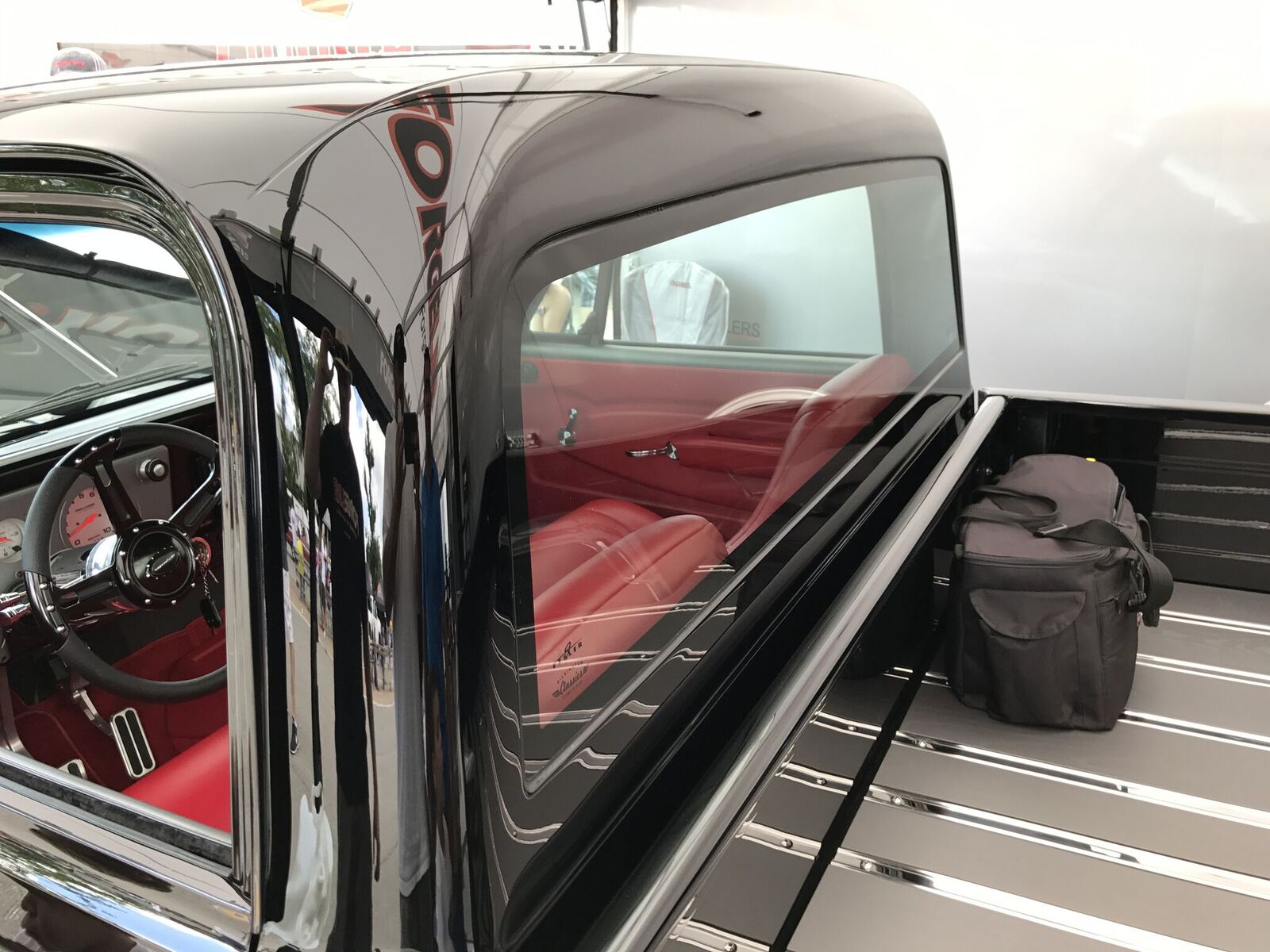
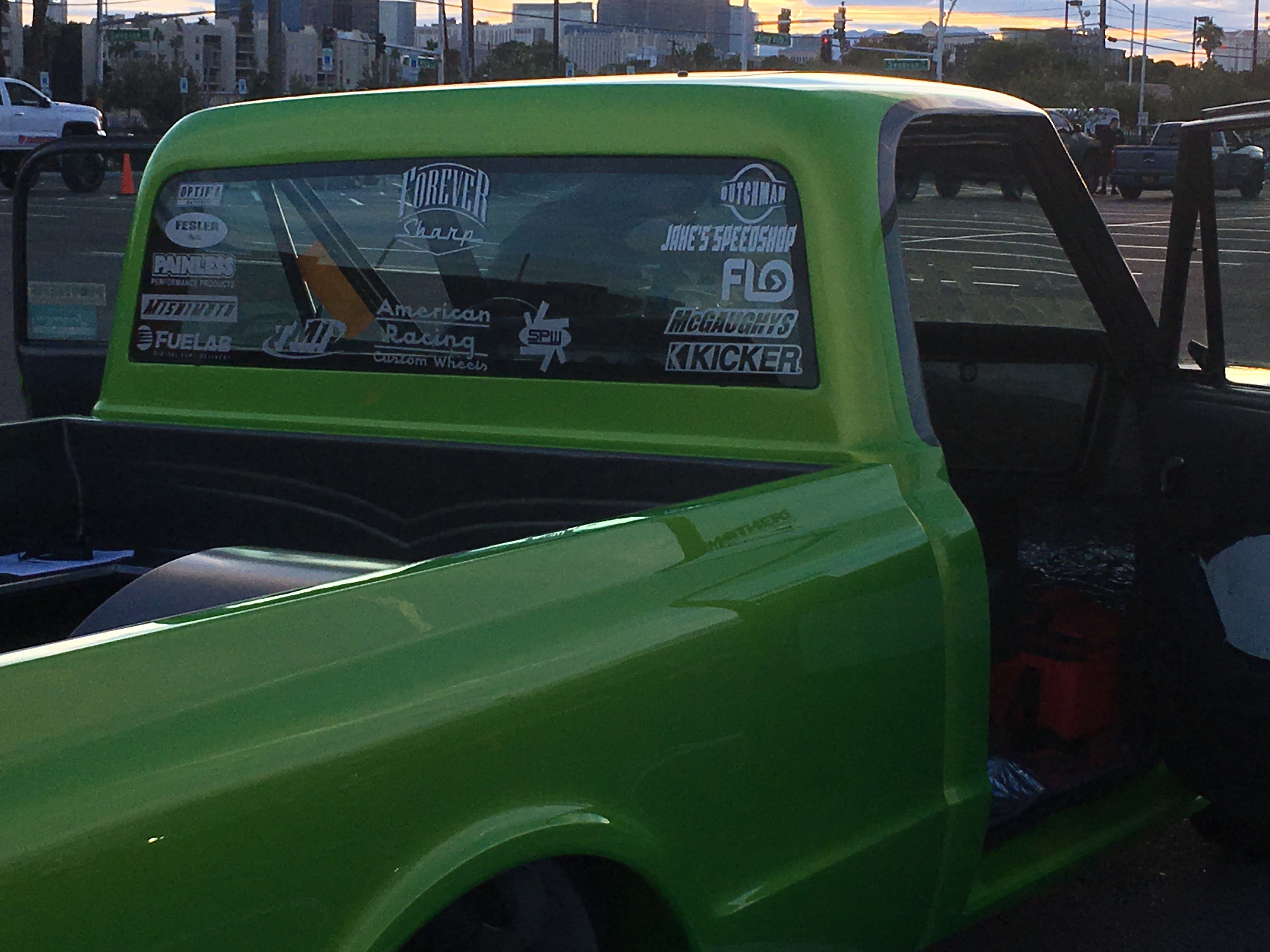
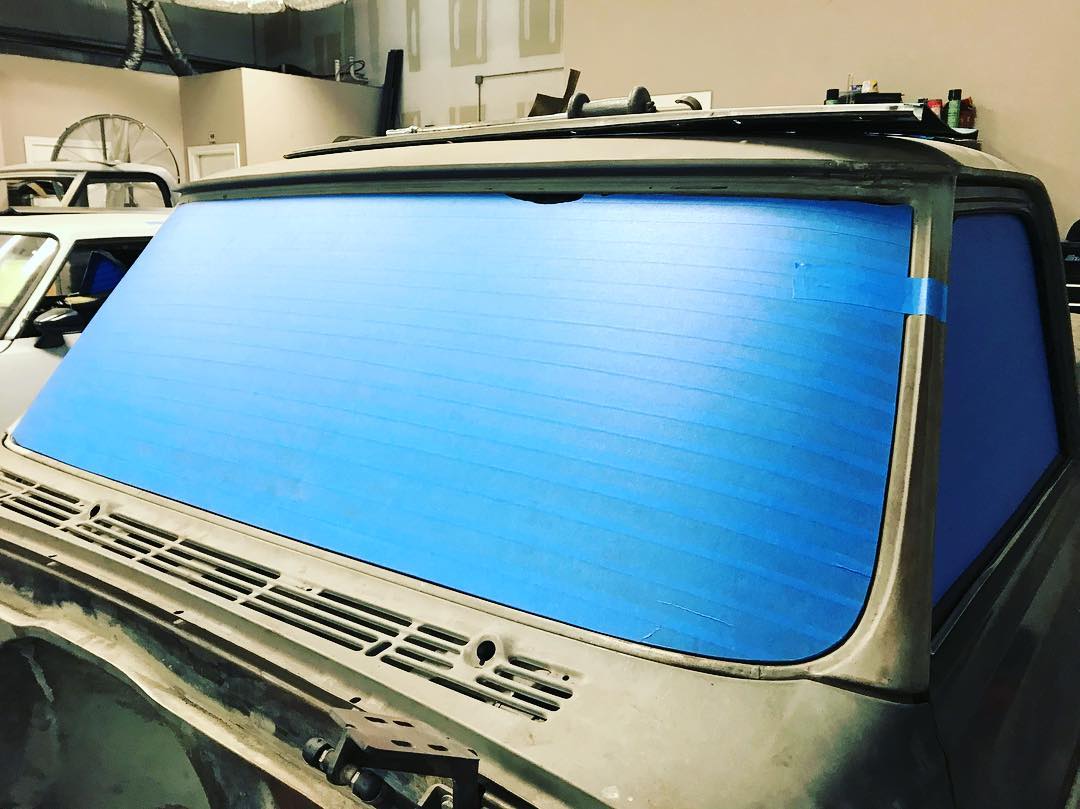
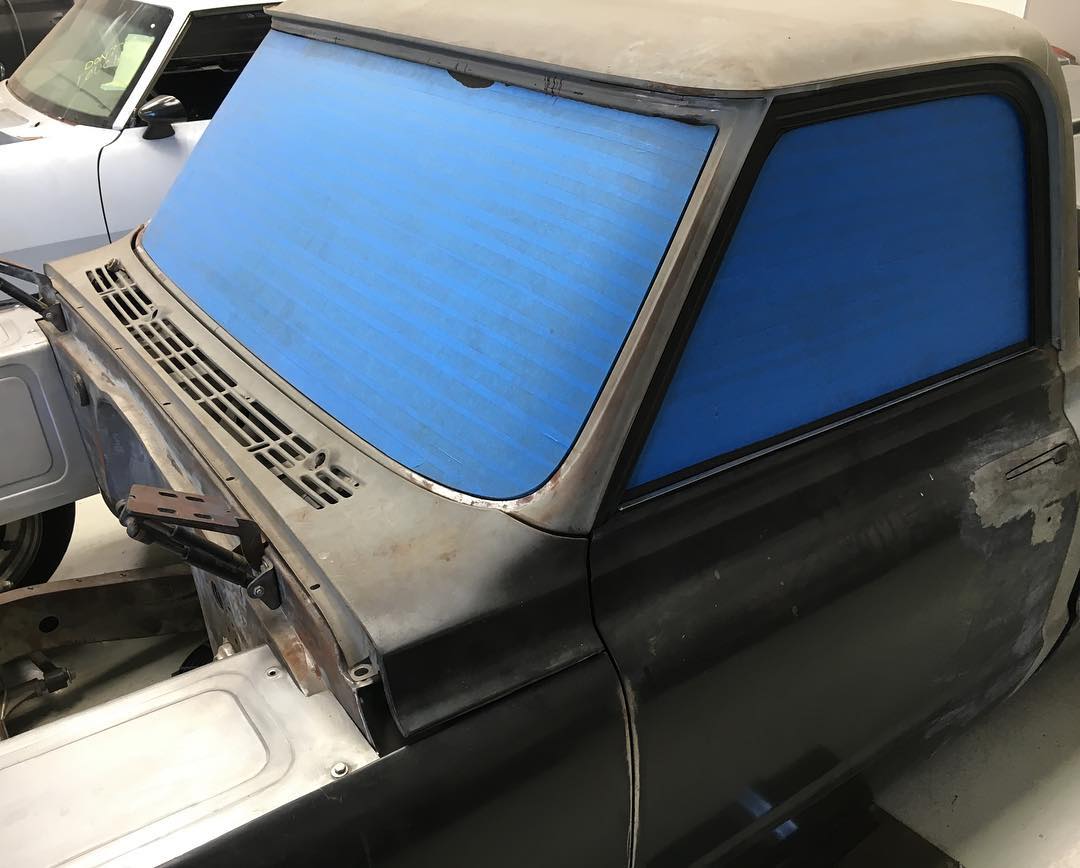
Give your 1967–1972 C10 or GMC truck the modern trim-delete, flush-bonded look without compromising fit, safety, or legality. Unlike oversized import glass that often needs to be sanded or "massaged" to fit, Fesler Flush-Mount Glass is engineered through iterative prototyping, test-fit molds, and multi-vehicle verification to seat precisely in the OE opening. Front windshield is DOT-certified laminated glass. Rear is tempered glass. Both feature an OE-style green hue and block 99.9% UVA. No exterior trim or rubber weatherstrip required.
DOT-CERTIFIED. LAMINATED FRONT. TEMPERED REAR. AMERICAN-MADE.
RUBBERLESS. TRIMLESS. FLUSH-BONDED. NO SANDING REQUIRED TO FIT.
No sanding required to fit
NO SANDING REQUIRED TO FIT.
Some brands request their overseas factories to make stock glass "a bit larger all around," forcing you to sand to size on every install. Fesler prototypes, molds, test-fits, manufactures, and test-fits again so your glass fits as delivered.
Why builders choose Fesler flush-mount glass
- True flush-mount design: Purpose-sized glass bonds within the OE aperture with a clean, even gap.
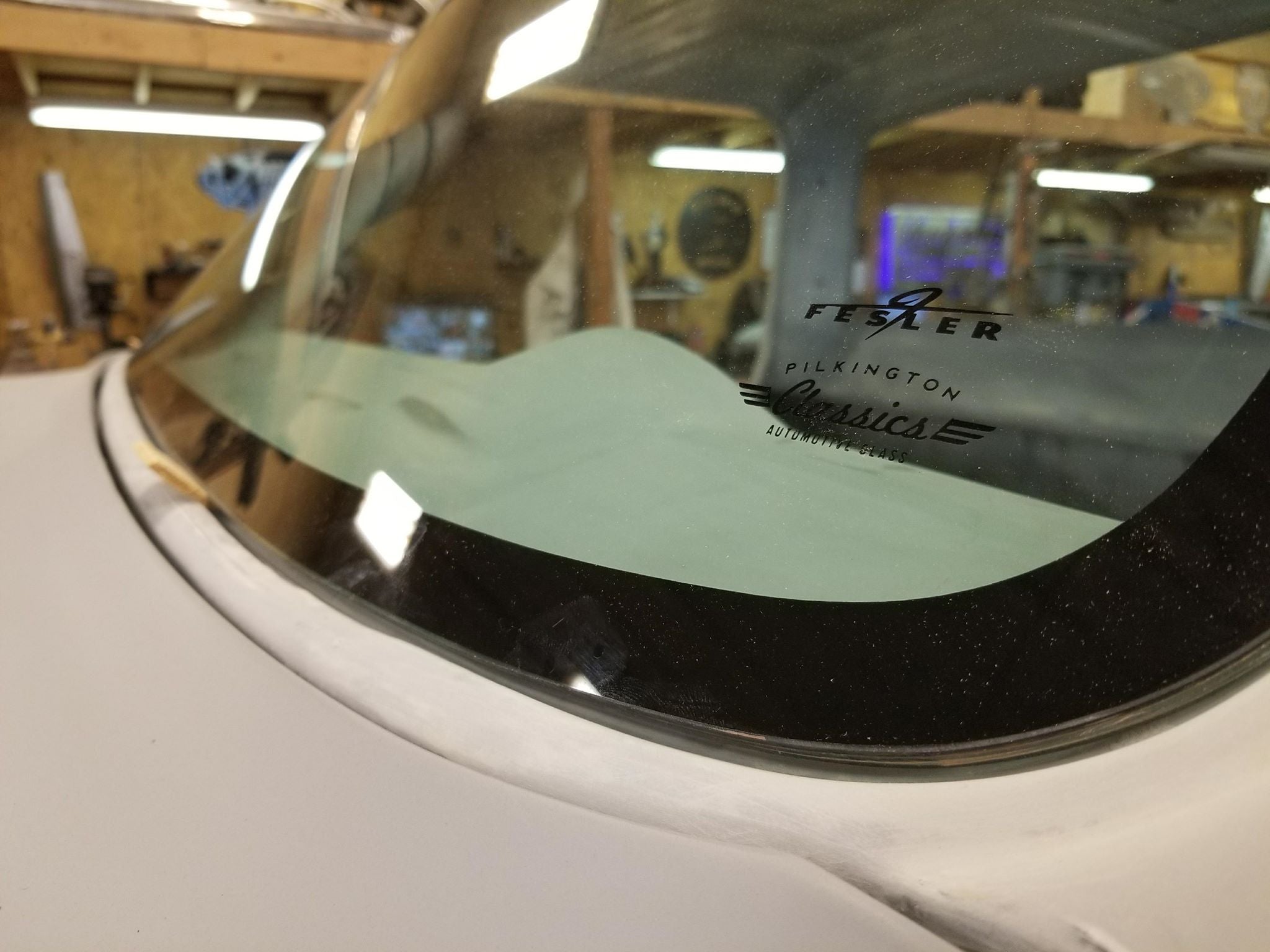
- Rubberless, trimless perimeter: FRIT band, primer, and automotive urethane bonding system.
- Manufacturing pedigree: LOF-style mold strategy for correct curvature and edge quality.
- Optics and protection: OE-style green hue. Laminated windshield and tempered rear glass. Both block 99.9% UVA.
- DOT-certified: Front windshield is DOT-approved for legal street use.
- American-made: Designed, prototyped, molded, and manufactured in North America.
Polycarbonate vs. laminated automotive glass — read before you buy
Read our full breakdown: Polycarbonate windshields are not street legal.
What's included
- One (1) laminated front windshield — DOT-certified, green hue, flush-mount profile
- One (1) tempered rear glass — green hue, flush-mount profile
Not included: Adhesives, primers, clips, trim (not required), or installation labor.
Fitment
- Primary application: 1967–1972 Chevrolet C10 and GMC 1/2-ton trucks (standard cab).
- Year coverage: Same glass fits all 1967–1972 model years.
- Glass type: Front windshield is laminated (DOT-certified). Rear glass is tempered.
Reproduction cabs & bodies — read before ordering
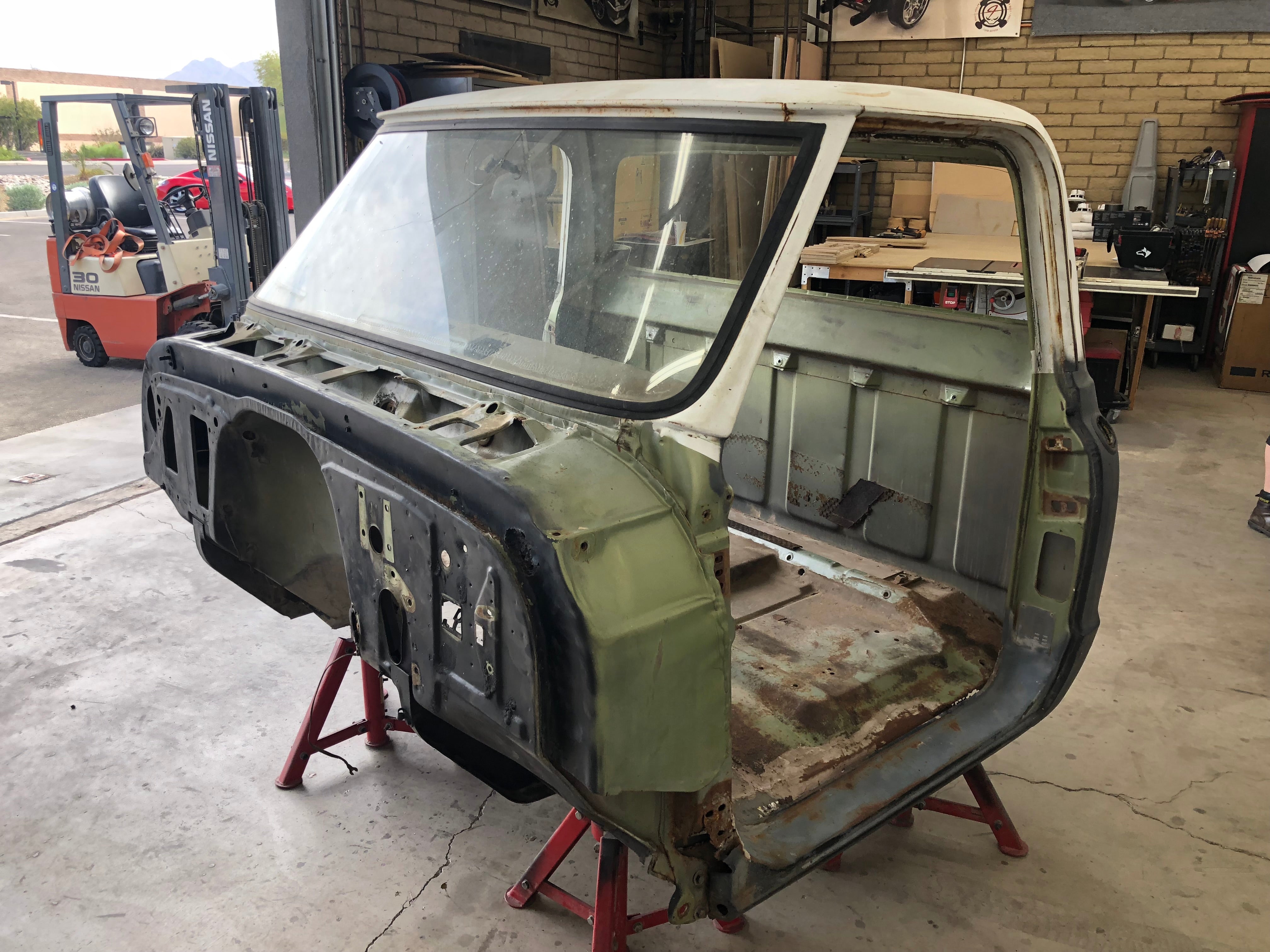
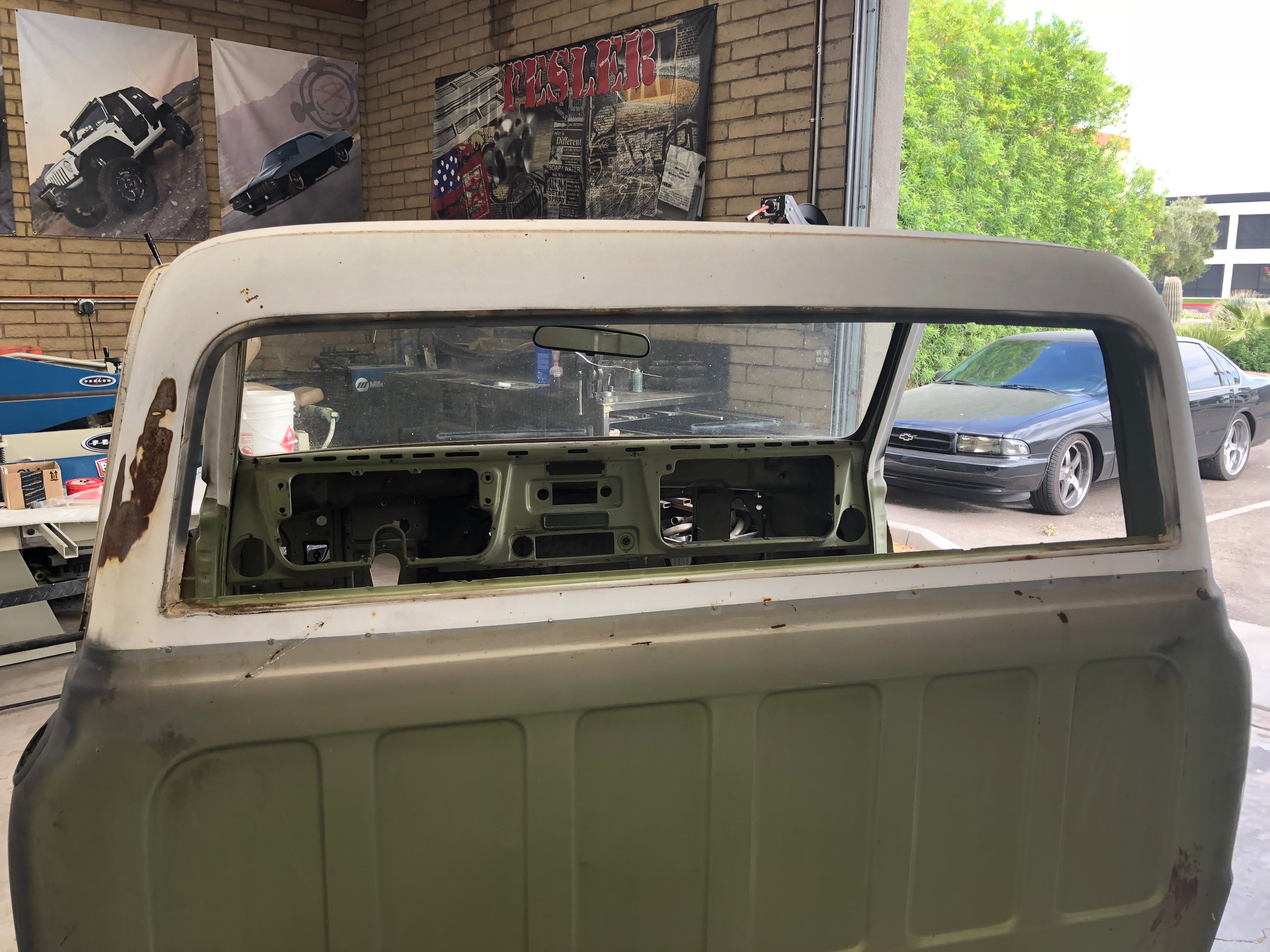
Fesler flush-mount glass is designed, molded, and verified to original factory dimensions on factory sheet metal. Glass is non-returnable. If it does not fit out of the crate, your vehicle may require body work. This is more common on reproduction shells, including Dynacorn, and it is your responsibility to decide whether you are willing to perform that work before you purchase.
We do not recommend Fesler glass for Premier Street Rod reproduction cabs or bodies. Fitment on those bodies is not covered.
Questions about your shell? Contact Fesler before you order.
Pairs with the Fesler C10 interior system. Fesler A-pillar panels are designed longer to hide the flush glass adhesive line. The Fesler one-piece headliner is compatible with flush glass builds.
Installation and safety
- Professional install only. Use a certified auto-glass technician experienced with urethane-bonded flush glass.
- Adhesive: Use automotive urethane with proper primers. Do not use butyl tape.
- Test-fit policy: Test fit within 60 days of receipt. Warranty and replacement are not available after 60 days.
- Returns: Glass is non-returnable.
Do not use butyl tape for flush glass installation.
Butyl holds approximately 60 psi. Urethane systems hold 600 psi or more. This is not optional.
Test fit within 60 days of receipt.
Warranty and replacement are not available after 60 days. Glass is non-returnable.
Shipping, billing, and lead time
- Estimated ship time: 10 to 15 business days from order date.
- Custom freight packaging: Every glass order is built into custom freight packaging and scheduled with the carrier.
- Ships LTL truck freight due to size and weight. Commercial address recommended. International freight available, including Canada and Mexico.
- Tracking: Tracking information will be emailed once the carrier picks up your order.
- Billing: Requires a signed Credit Card Authorization Form. We do not charge your card until the glass is ready to ship.
- Shipping updates: Please allow up to 10 days after payment before requesting status updates. We will reach out if there is a delay on your order.
- Hard deadline? Contact us before ordering so we can confirm timing.
Your card is not charged until the glass is ready to ship. After checkout, you will receive a Credit Card Authorization Form. Sign and return the form to begin the process. Estimated ship time is 10–15 business days from order date.
Magazine features
- Brandon Putzier's 1968 C10 — Truck of the Year Finalist, featured in Fuel Curve.
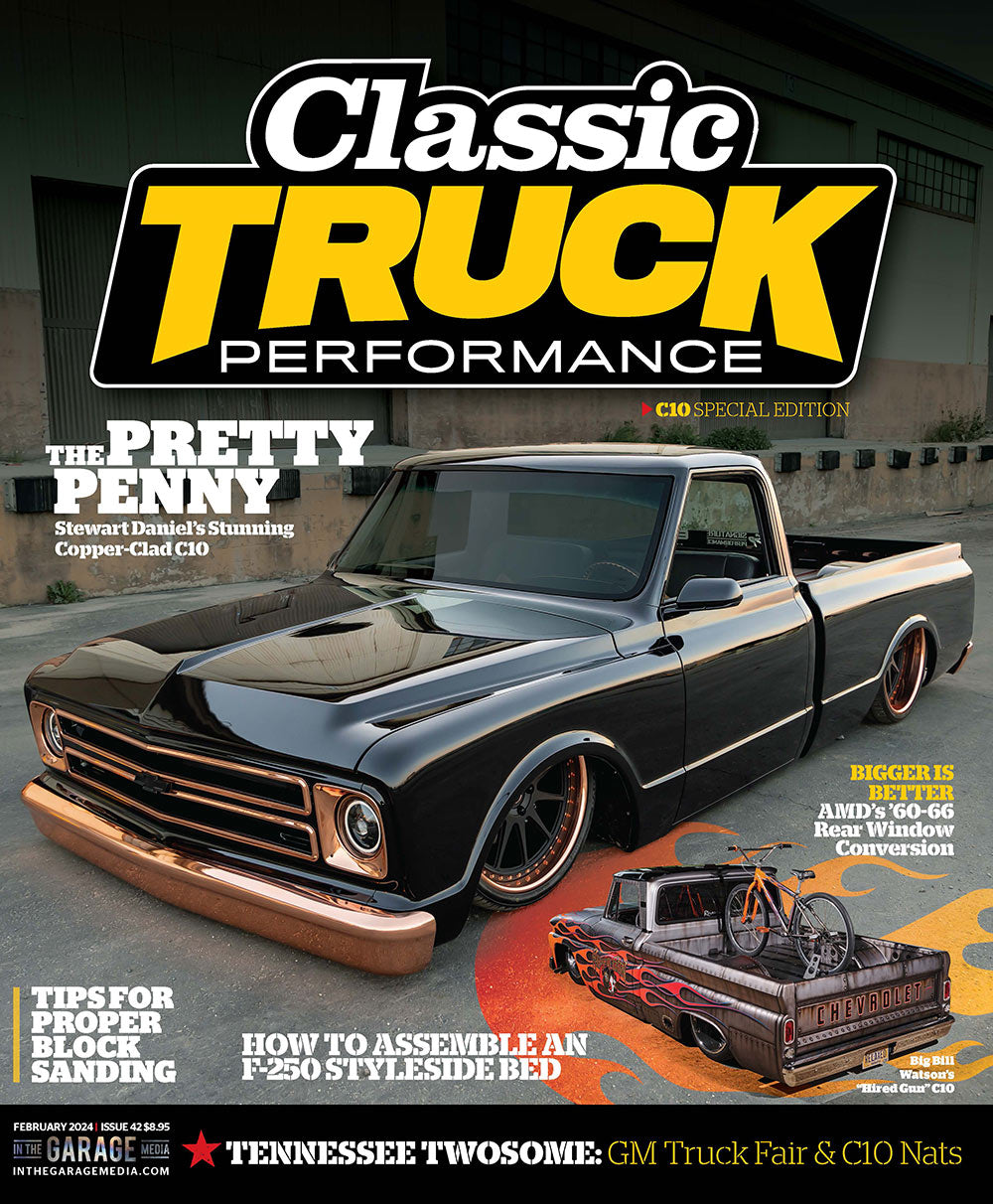
- "Pretty Penny" — featured in Classic Truck Performance.
- Hills Hot Rods' custom crew cab C10 — featured in Fuel Curve.
- Tim Childers' 1968 Chevy C10 — featured in Fueled News.
Frequently asked questions
Is this glass street legal?
Yes. The front windshield is DOT-certified laminated automotive glass. The rear glass is tempered.
Does this fit both Chevy and GMC trucks?
Yes. Fits 1967–1972 Chevrolet C10 and GMC 1/2-ton trucks with standard cab configurations.
Do I need to sand the glass to fit?
No. Fesler flush-mount glass is engineered to fit as delivered.
Can I install this myself?
Fesler does not endorse DIY flush-glass installs. Use a certified auto-glass technician.
How does shipping and billing work?
Estimated ship time is 10–15 business days from order date. Each glass order requires custom freight packaging and scheduling with the carrier. This product ships via LTL truck freight (commercial address recommended). After checkout, you will receive a Credit Card Authorization Form. Your card is not charged until the glass is ready to ship. Tracking information will be emailed once available. Please allow up to 10 days after payment before requesting shipping updates. International freight is available, including Canada and Mexico.
Can I return the glass?
No. Glass is non-returnable. Test fit within 60 days of receipt.
Will this fit a Dynacorn or reproduction body?
Reproduction bodies (especially Dynacorn) may require substantial metal work to meet proper glass geometry. Contact Fesler before ordering.
Questions about compatibility, freight, reproduction body fitment, or scheduling a certified installer? Contact Fesler USA.
Builder trusted.
Kevin Schiele, shop foreman at Kindig-It Design and co-host of MotorTrend's Bitchin' Rides, on Fesler flush-mount glass. Kindig-It has been building world-class custom rides out of Salt Lake City for 25+ years.
Fitment.
Our glass is engineered and manufactured by Pilkington, an OEM glass producer that supplies new vehicles sold today. Same float-glass process. Same tolerances. Made on the same kind of production line that builds glass for modern cars rolling off dealer lots right now. This is real automotive glass, not import stock resized to approximate fit.
On a properly prepared body, it drops in. The reality with classic cars: these vehicles are 50 to 70 years old. Decades of accidents, racing, repaints, and subtle sheet-metal shifts mean some openings have moved over time. The glass is the constant. Your car's opening is the variable. Minor adjustment or light bodywork is occasionally part of a real classic build, and that's true for any precision part going on a 60-year-old car.
Plan glass into the bodywork phase, not after final paint.
Where are you in your build?
Build timing matters. Here's a quick read on where flush-mount glass fits into your build sequence, and what to expect at each stage.
Shell on the rotisserie, planning the build. Order your glass now and bring it into your bodywork plan. The opening can be massaged to spec while the body is still in metal stage.
Doors and fenders hung, panels gapped, primer or pre-paint stage. Test fit your glass now, identify any opening corrections, and address them before final paint goes down.
Body and paint complete, working through interior and final assembly. Test fit early. If the opening needs adjustment, you'll want to address it before bonding glass to fresh paint.
Twelve steps. Three phases.
Prep & Remove
Protect the vehicle, remove the original glass, clean the channel down to bare metal, and remove the factory clips. The four steps before any new glass touches the body.
Test Fit & Bond
Test fit with 3/8" fuel line, clean the new glass, prime the frit band, lay urethane, and set the windshield. The make-or-break sequence that determines fitment, seal, and final reveal.
Cure & Finish
Support the glass through overnight cure, then optionally fill the body gap with weatherproof silicone for a clean, debris-free finished look. Don't drive or pressure-wash early.
Critical install rules.
Always urethane, never butyl
Urethane systems hold 600+ psi. Butyl holds 60. There is no comparison.
Use proper urethane primer
Prime the frit band and let it dry. Skipping primer puts your windshield at risk of slipping loose.
No glass cleaner on the bond area
Standard glass cleaner reacts with urethane primer and prevents proper bonding.
Test fit before bonding
Use 3/8" fuel line in the channel to simulate urethane and verify fit and gap before committing.
Never touch primed surfaces
Skin oils prevent urethane from sticking. Apply, let it dry, leave it alone until you set glass.
Cure overnight before driving
Don't drive or pressure-wash for 24 to 48 hours minimum after install. Refer to your urethane manufacturer's spec.
Who sets the glass?
Certified Glass Technician
We strongly recommend professional installation by an NGA or AGRSS certified glass technician. The windshield is a structural safety component, providing up to 60 percent of a vehicle's roof crush protection and supporting airbag deployment.
Certified techs have the urethane systems, primers, suction tools, and bonding experience to deliver a weather-tight, structurally sound install. Bring this product page or our resource hub to your installer ahead of the appointment so they have the full reference.
Experienced Builder
Fesler glass can be installed by a skilled, experienced builder who understands urethane chemistry, has done glass work before, and has a helper on hand. This is not a first-time project.
If you're going DIY: read the Tips & Tricks PDF cover-to-cover, work through every step in our install resource hub, use the right urethane and primer for your conditions, and have someone on standby to help you set the glass.
Everything you need to install right.
Official Tips & Tricks PDF
The full 7-page install reference with photo examples of common defect-vs-not-defect situations, warnings, and detailed walkthrough imagery. Send it to your installer ahead of the appointment.
View The DocumentFull Install Resource Hub
Stage-based FAQ for every step of your build, defect reference, troubleshooting guides, and 27 in-depth articles from beginner basics to platform-specific deep dives.
Visit Install HubQuestions about your specific build, opening condition, or installer? Talk to the people who make the glass.
Call or text the shop · 480-748-2000 Mon–Thu · 8am–5pm MST · Phoenix, AZ
Read the full PDF.
The official Fesler Glass install reference with photo examples of common defect-vs-not-defect situations, urethane warnings, and detailed walkthrough imagery. Read it here, open it in a new tab, or download it to send to your installer.
Best viewed full-screen
On mobile, tap "Open in New Tab" above to read the full Tips & Tricks PDF, or "Download PDF" to save it and send it to your installer.
Trusted by the best.
Want to see Fesler glass on your build's portfolio? Get in touch with the shop.
480-748-2000