
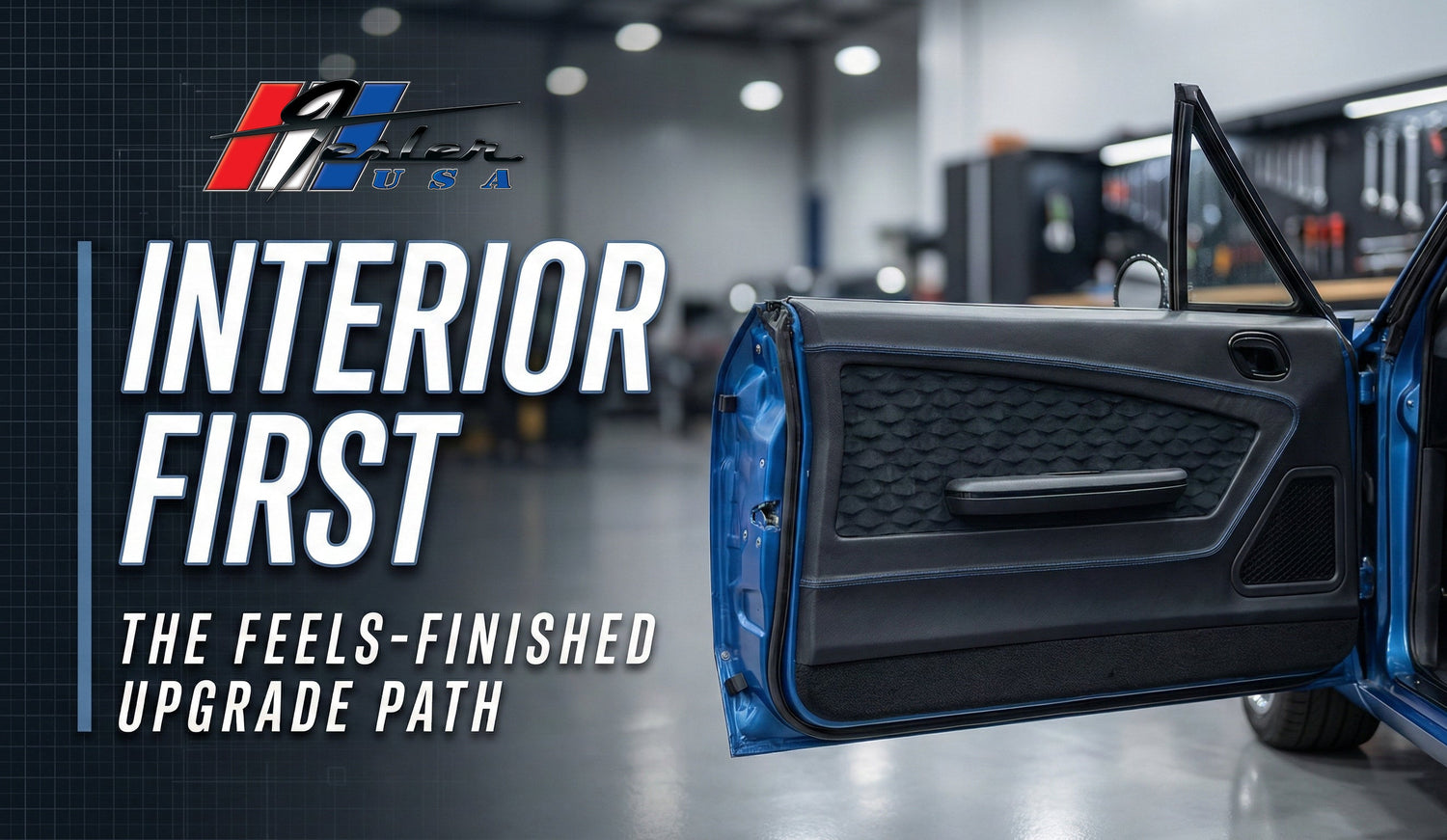
Interior First: The “Feels Finished” Upgrade Path for Classic Builds
Most classic builds look good in photos, then you drive them and realize something is off. Rattles. Gaps. Poor ergonomics. A cabin that feels unfinished. If you want your build to feel truly dialed, start with the interior.
At Fesler USA, we look at the interior as the part of the build that sets the standard for everything else. It is what you touch every time you drive. It is where fitment shows. And it is where bad sequencing creates expensive rework.
This post breaks down an interior-first upgrade path you can actually follow, whether you are building a C10, Camaro, Chevelle, or another high-end classic.
Quick navigation
- Why interior-first builds feel better
- The upgrade path (in the right order)
- Common interior mistakes that create rework
- Where Fesler interior parts fit in
- FAQ
Why interior-first builds feel better
Interior-first is not about buying parts early for the sake of it. It is about controlling the things that determine whether the cabin feels premium:
- Fitment and alignment: panel gaps, flush edges, and consistent transitions.
- Mounting strategy: parts that mount correctly reduce flex, squeaks, and “cheap” feel.
- Ergonomics: switch placement, gauge visibility, and driver comfort.
- Planning clearance: wiring, HVAC, audio, and modern electronics need space and routing.
When those foundations are handled early, the rest of the build stacks cleanly. When they are not, you end up pulling parts back out later. That is where timelines slip and budgets get burned.
The interior upgrade path (the order that prevents rework)
Rule: Start with parts that control mounting and alignment. Finish with the parts that are purely cosmetic.
Step 1: Define the interior goal (one sentence)
Write one sentence that describes what “finished” means for your build. Examples:
- Factory-plus: clean, simple, tight, nothing flashy, just correct.
- Modern comfort: quieter, more usable, better visibility, better ergonomics.
- High-end custom: premium materials, stronger design lines, show-ready details.
This sentence will stop you from buying random parts that do not work together.
Step 2: Lock the “touch points” first
Touch points are the parts you interact with constantly. They shape your impression of quality more than anything else.
- Door panels (fitment, mounting, and the line where the panel meets the door).
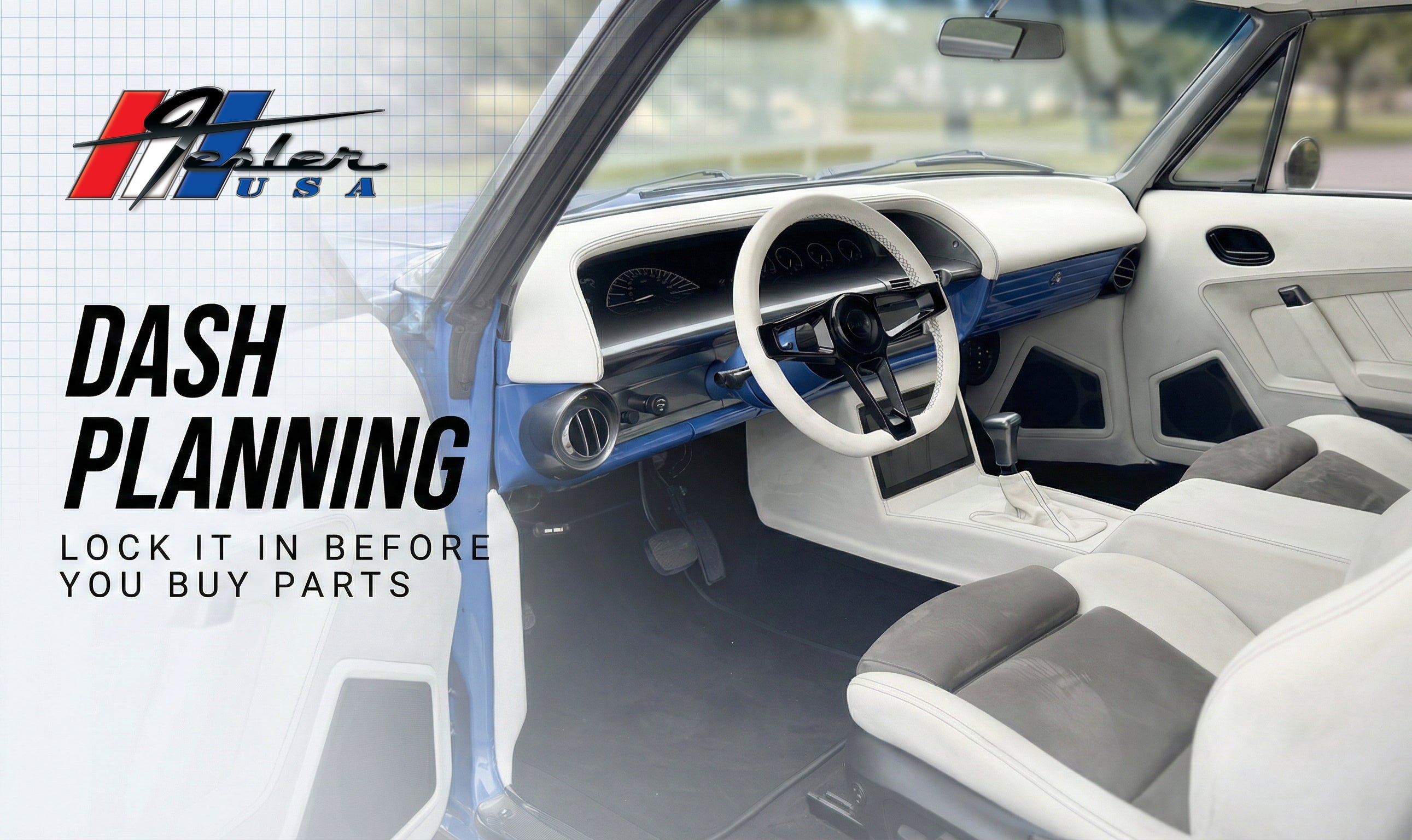
- Dash layout (where gauges, vents, switches, and controls will live).
- Seats and seating position (comfort and sight lines).
When these are decided early, you can build around them instead of patching around them later.
Step 3: Plan wiring and HVAC before panels become final
This is where most interiors get compromised. People install panels, then realize they have nowhere clean to route wiring, mount modules, or fit HVAC components.
Before your interior is “final,” confirm:
- Wiring routing: where harnesses run, where grounds land, and where service loops exist.
- Switch locations: don’t guess. Decide and commit.
- HVAC packaging: under-dash space, vent routing, and clearance.
Do not aim for “good enough.” Aim for serviceable and clean. Future you will thank you.
Step 4: Add sound control and sealing strategy
“Feels finished” is not just visual. It is also how quiet and solid the cabin feels. Sound control, seals, and smart mounting eliminate the small issues that make a build feel rushed.
- Sound control basics: focus on doors, firewall areas, and common vibration zones.
- Seal strategy: eliminate wind noise and annoying rattles.
- Hardware consistency: correct fasteners and mounting points reduce flex and squeaks.
Step 5: Finish with the details
Once the foundation is correct, finish with the parts that make the interior look intentional:
- Trim pieces and finishing caps
- Audio, lighting, and accessory upgrades
- Cosmetic refinements that depend on final fitment
Common interior mistakes that cost time
- Installing “final” panels too early: then pulling them back out for wiring or HVAC.
- Mixing parts with no plan: looks okay at first, then seams and gaps fight each other.
- Not committing to control placement: switches and vents end up in awkward locations.
- Skipping mounting quality: flex causes squeaks, rattles, and premature wear.
Builder truth: Most interior “issues” are sequencing issues. Fix the order, and the build gets easier.
Where Fesler interior parts fit in
If your goal is a cabin that feels premium and installs clean, start with interior components that are designed for fitment and correct mounting. That is where Fesler shines.
Fesler interior components are built for builders who care about alignment, mounting, and finish. When those foundations are right, everything downstream is smoother.
FAQ
What is the first interior upgrade that makes the biggest difference?
Start with the parts you touch and see constantly, especially door panels and your dash plan. If those are right, the interior immediately feels more finished and the rest installs cleaner.
When should I plan wiring and HVAC for an interior upgrade?
Before anything becomes final. Wiring routing, switch placement, and HVAC packaging should be decided early so you do not pull panels back out later.
How do I keep my interior from feeling rattly or cheap?
Mounting and alignment matter more than people think. A solid mounting strategy, consistent hardware, and a simple seal plan eliminate the small issues that make a build feel rushed.
Can Fesler help me sequence the right parts for my build?
Yes. If you have a few photos and a one sentence goal, we can point you toward a clean interior-first sequence and help you avoid ordering parts twice.
If you are building for spring, start here. Interior-first builds are the ones that feel finished.

Leave a comment
This site is protected by hCaptcha and the hCaptcha Privacy Policy and Terms of Service apply.