
You have heard the line: the Nova was grandma's car, and the real Chevy muscle lived in the Camaro and the Chevelle. The 1969 sales sheet says otherwise. That year 17,564 buyers checked the SS box on a Nova, and 5,262 of them ordered the L78 396, the same 375 horsepower solid lifter big block that went into the SS 396 Chevelle and the Camaro. The Nova weighed roughly 500 pounds less than the Chevelle. Period road tests showed it, with the 350 horsepower 396 Nova running the quarter about a quarter second quicker than a matching Chevelle.
So the Nova was not the car the muscle guys forgot. It was the car the muscle guys bought when they wanted to win and did not care about being seen. Here is the record on the 1969 Nova SS 396, the two rarer cars built on it, and why the same plain body makes such a good starting point today.
Was the Chevy Nova really just an economy car?
It started that way. The Chevy II arrived for 1962 as Chevrolet's answer to the Ford Falcon: bench seat, small engines, grocery duty. Nothing in the first generation suggested what was coming.
The turn came with the 1968 redesign. The new Nova rode on a front subframe shared with the Camaro. Aftermarket suppliers sell the same subframe part number for a 1968 F-body and a 1968 X-body to this day. Read that the way a hot rodder in 1968 read it: anything that fit in a Camaro engine bay fit in this thing too, and Chevrolet had already put a 396 in the Camaro.
Chevrolet made the position official for 1969. The "Chevy II by Chevrolet" trunk badge became "Nova by Chevrolet," the Chevy II badge above the grille became a bowtie, and the car was promoted under the Nova name for the first time. The SS package cost $280, and sales of it nearly tripled that year to 17,564.
How many 1969 Nova SS 396 cars were built?
Two big block options were on the 1969 Nova SS sheet, and both are documented in Chevrolet's RPO counts.
- L34 396, 350 horsepower: 1,947 built.
- L78 396, 375 horsepower: 5,262 built.
Notice which one sold. The hotter engine outsold the milder one by nearly three to one. People ordering a 396 Nova in 1969 were not shopping for a commuter with a little extra. They wanted the solid lifter engine and they wanted it in the lightest body Chevrolet would sell it in.
The numbers explain the appeal. Sports Car Market puts the 396 Nova at about 3,200 pounds, roughly 500 pounds under an equivalent Chevelle, and cites a period test where a 350 horsepower Nova ran 15.15 in the quarter against 15.4 for a similarly equipped Chevelle. The 375 horsepower cars ran high 13s to mid 14s depending on tires and gearing. All of that in a car that still looked like it belonged in a church parking lot.
What was the COPO 9738 Nova?
This is the one people get wrong, so get it right. COPO 9738 was a 1968 car, not a 1969 car, and it was not a 427. Fred Gibb Chevrolet in Illinois worked with Chevrolet's Vince Piggins to order 50 Nova SS cars with the 375 horsepower L78 396 and a Turbo Hydra-Matic 400 automatic, a combination Chevrolet had never offered from the factory. The point was NHRA homologation: 50 cars made the automatic legal behind the L78 in Super Stock. Gibb bought all 50 and found homes for them. Dick Harrell's shop in Kansas City later modified some of the unsold cars, and a few of those got 427s, but the factory COPO 9738 car was a 396 automatic.
That same Fred Gibb and Vince Piggins pairing is how the COPO 427 Camaro came to exist a year later. We covered that whole story, and how the taxicab ordering system was used to get around GM's engine rules, in the COPO Camaro article. It is worth reading before the next one.
How many Yenko Novas were built, and were they COPO cars?
Not COPO. That is the detail that trips people up. In 1969 Don Yenko's dealership in Canonsburg, Pennsylvania could order 427 Camaros and Chevelles through the COPO system, but Chevrolet would not build a 427 Nova. So Yenko ordered 1969 Nova SS cars with the L78 396, pulled the engines at his shop, and installed the L72 427 from the full size line. These were dealer conversions, not factory cars.
The numbers most sources agree on: 37 cars sold, plus one automatic prototype, for 38 total. Output is usually quoted at around 450 horsepower. Somewhere between seven and ten are believed to survive. Period claims put zero to sixty in the high four second range and the quarter mile under 11 seconds; those are enthusiast figures, not instrumented magazine tests, so treat them as ballpark.
The part that makes the Yenko Nova famous is what Yenko said about it afterward. In an interview not long before his death in 1987, he described the 427 Nova as a car "we probably should not have done. Almost lethal." Close ratio four speed, 4.10 gears, small brakes, narrow tires, and 427 cubic inches in a 3,200 pound car. Insurance companies agreed with him, which is a big part of why it was a one year program.
Did the Nova fail in Latin America because "no va" means "does not go"?
No. This is the most repeated Nova story of all, and Snopes traced it down years ago: the car sold normally in Spanish speaking markets, and the marketing class legend has no basis. Nova is also a perfectly ordinary word in Spanish, spoken as one word, and nobody hears "no va" any more than an English speaker hears "notable" as "no table." The Nova's problem was never going. It was other people finding out too late that it did.
Why is the 1968 to 1972 Nova such a good sleeper build today?
For the same reasons it was in 1969. Go look at the car. It is light, the body is plain, the engine bay takes anything a Camaro takes, and the aftermarket for the front subframe is enormous because it is shared. Most people at a show will walk past it. That is the point.
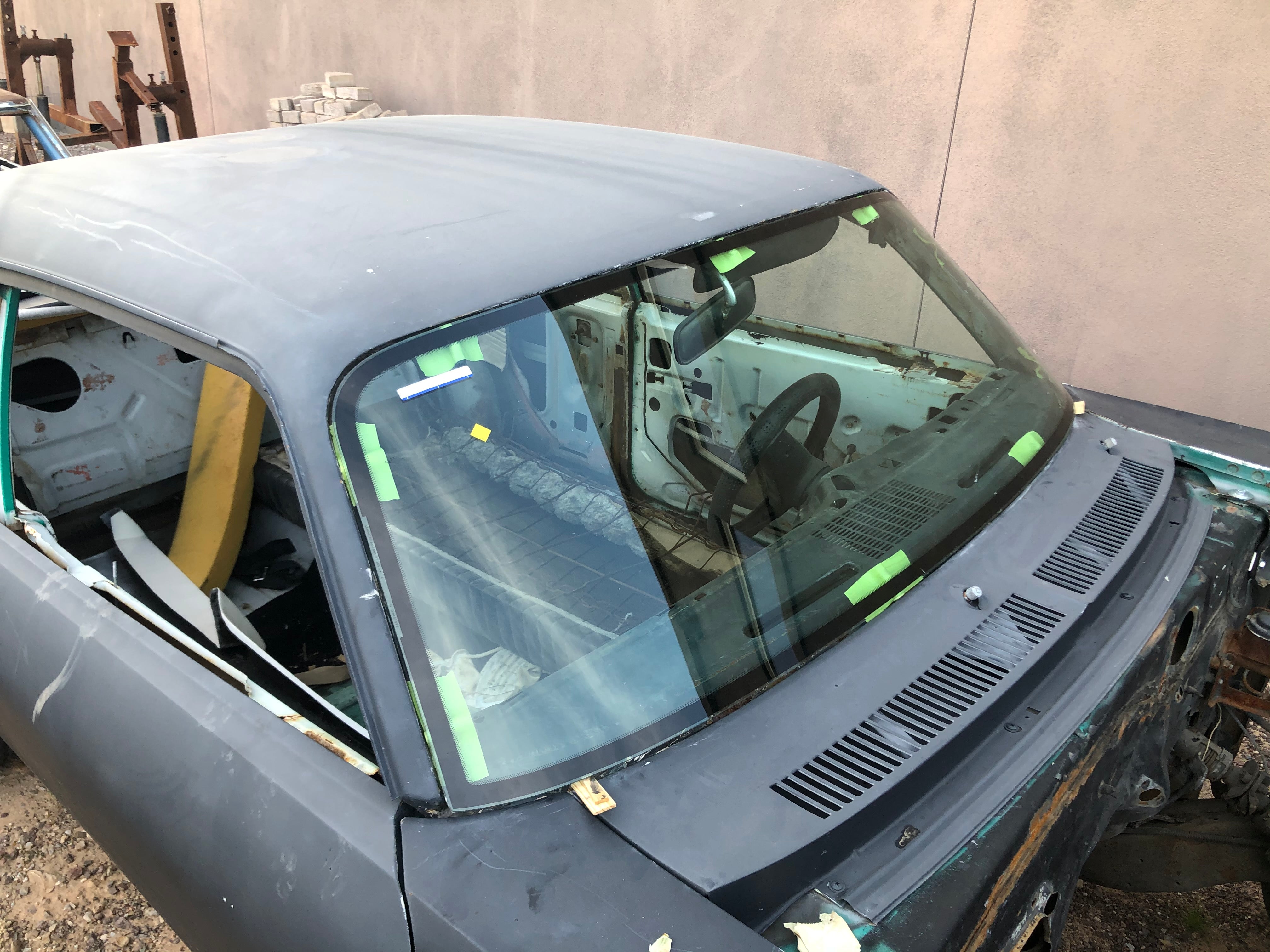
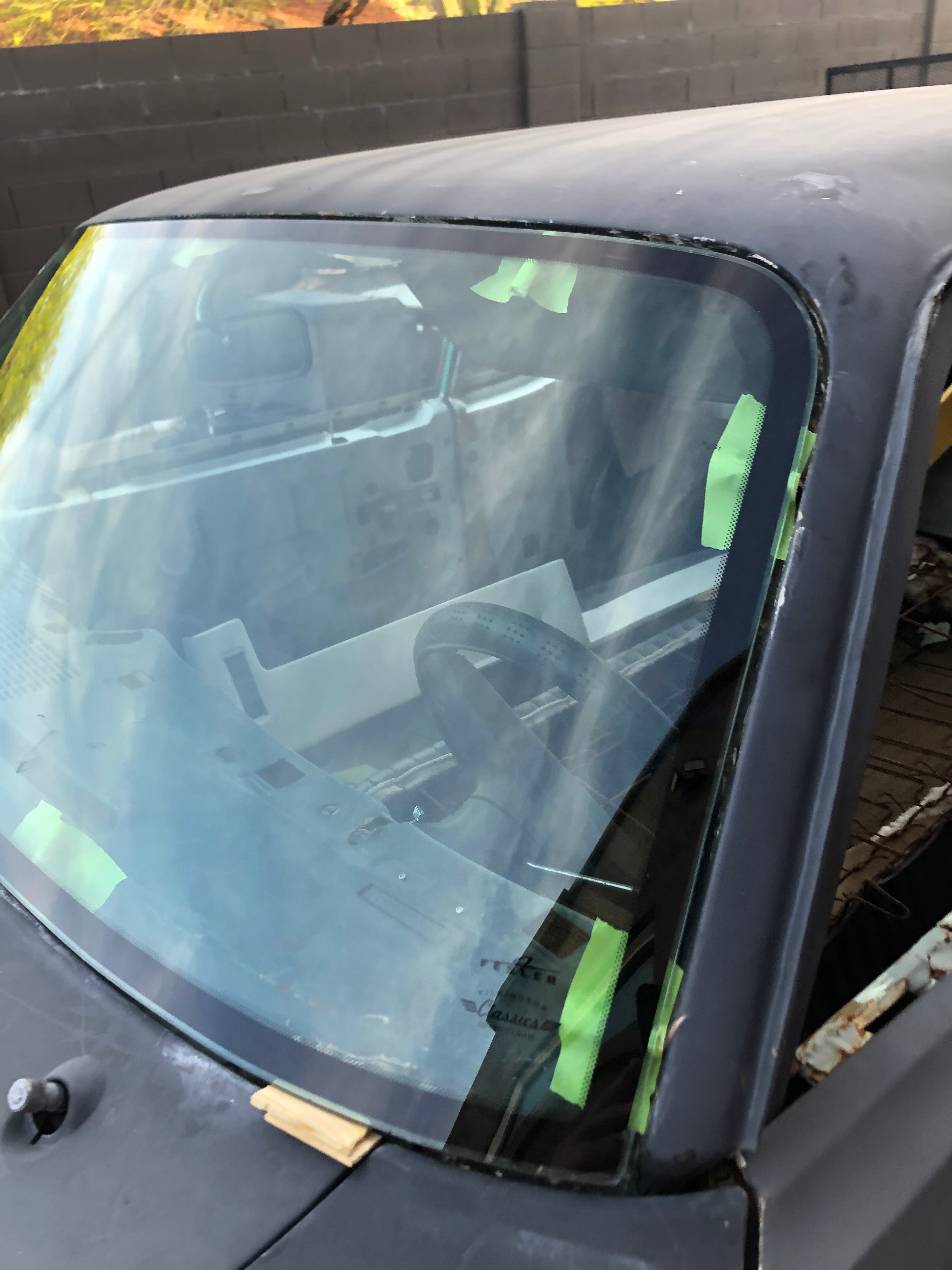
What ages a Nova is the glass and the dash. On a stock 1968 to 1972 car the windshield and back glass sit in rubber gaskets with stainless reveal moldings standing off the body, and the dash is a flat slab of cracked plastic and painted steel. Our 1968-72 Nova flush mount glass kit deletes the trim and the gasket and bonds DOT laminated glass flush to the pinch weld, front and rear. It keeps the sleeper look while making the body read as one clean surface. The general install sequence is the same as our other kits, and we cover it in the flush mount glass guide.
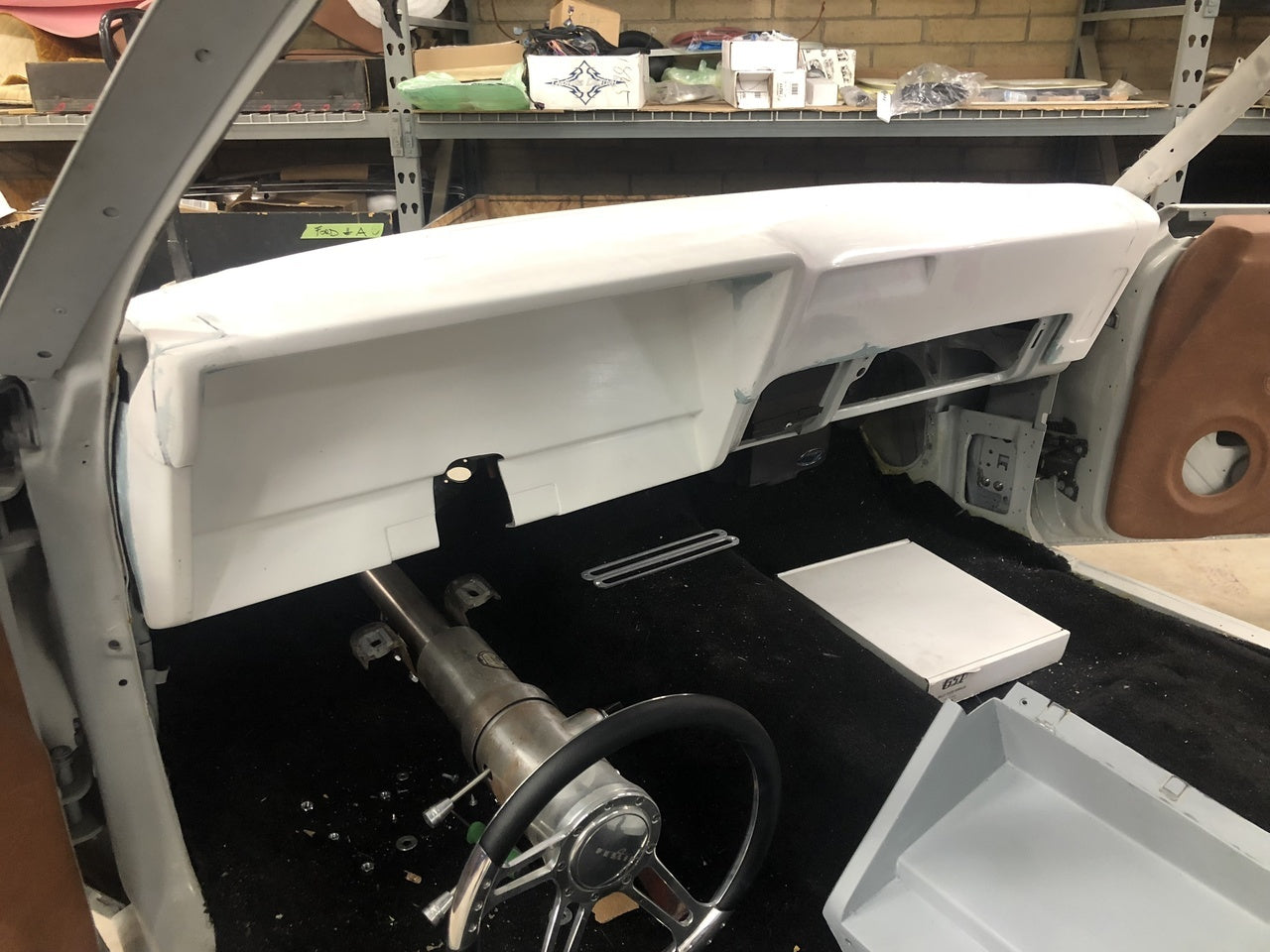
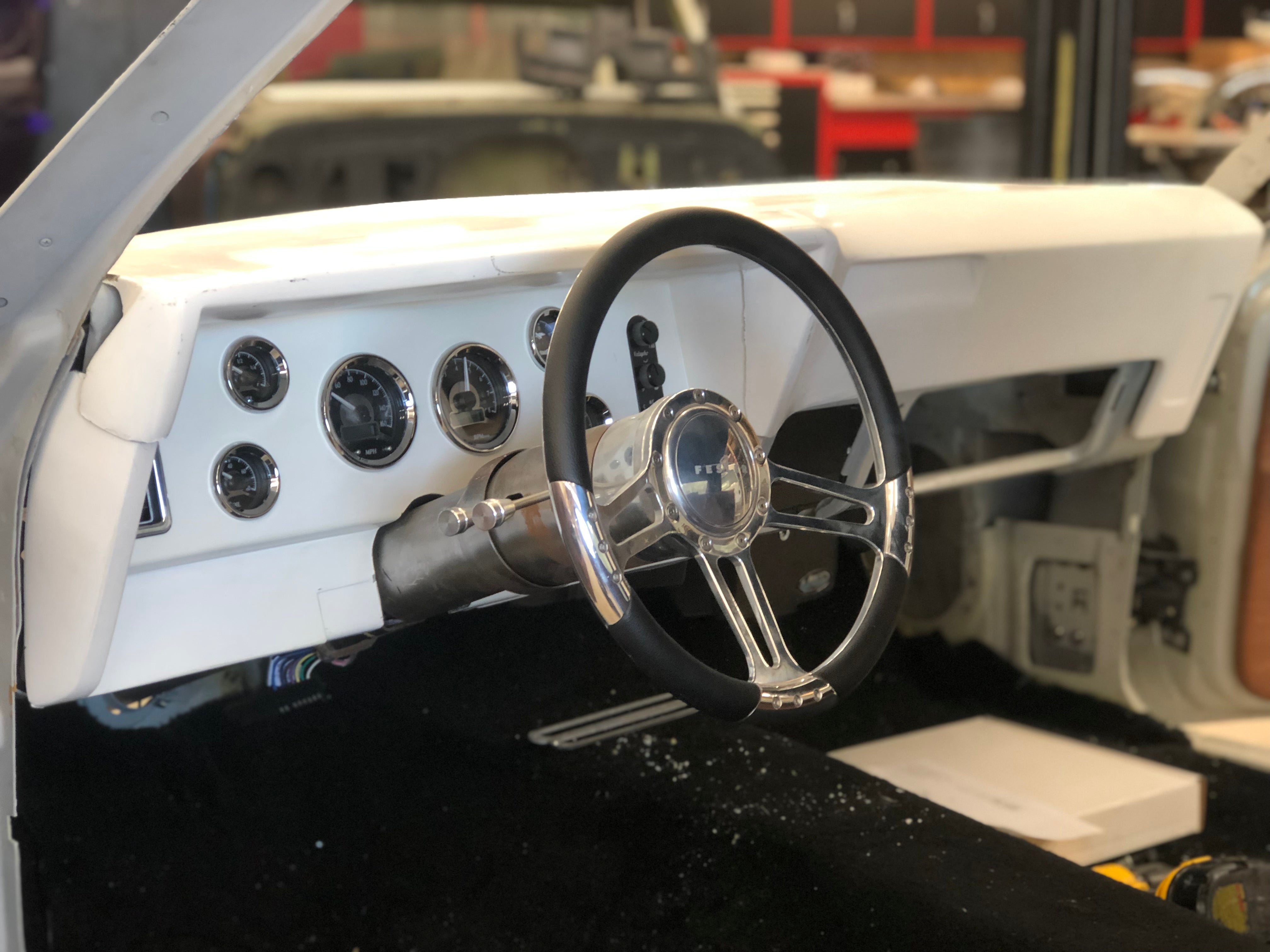
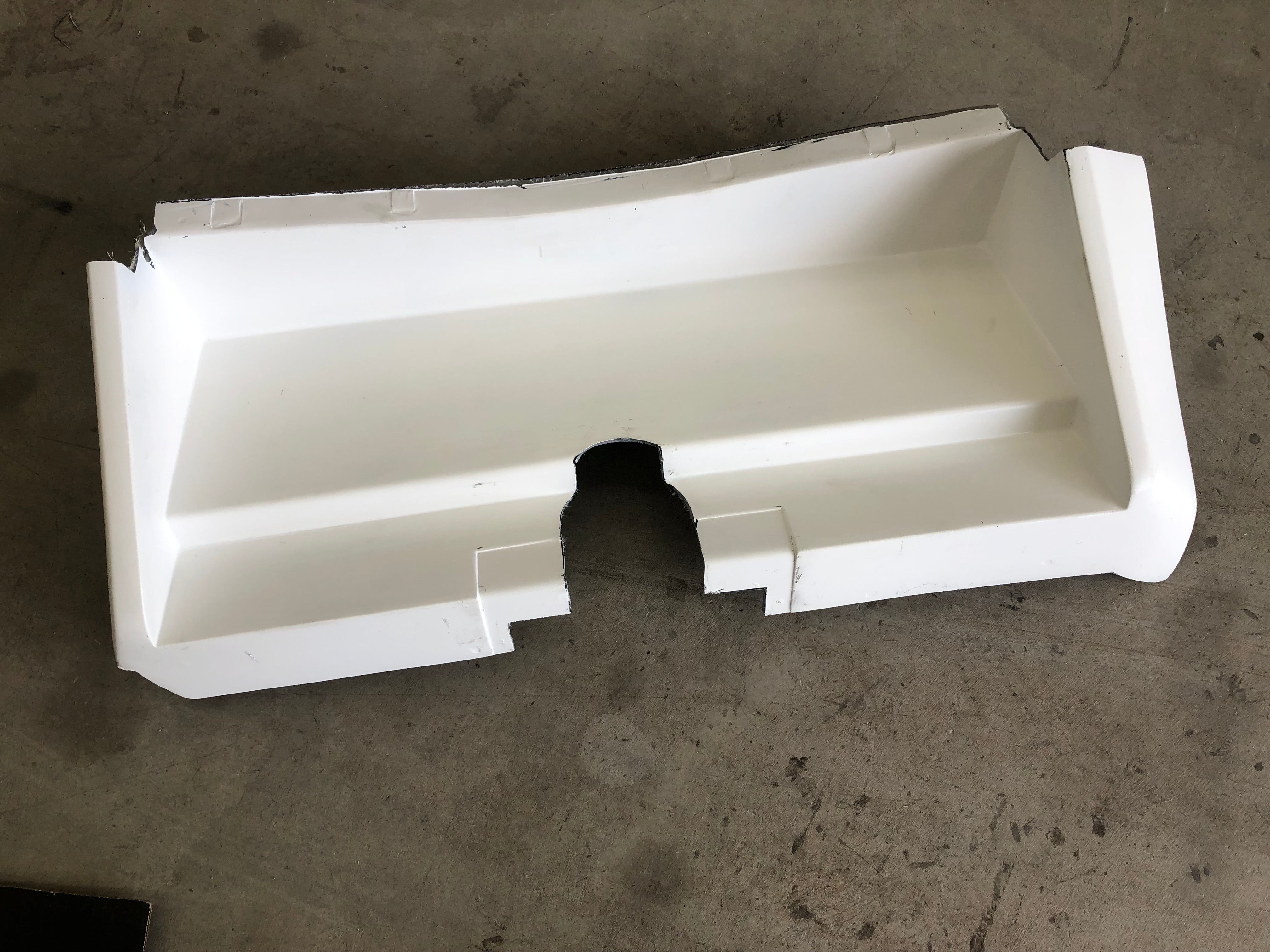
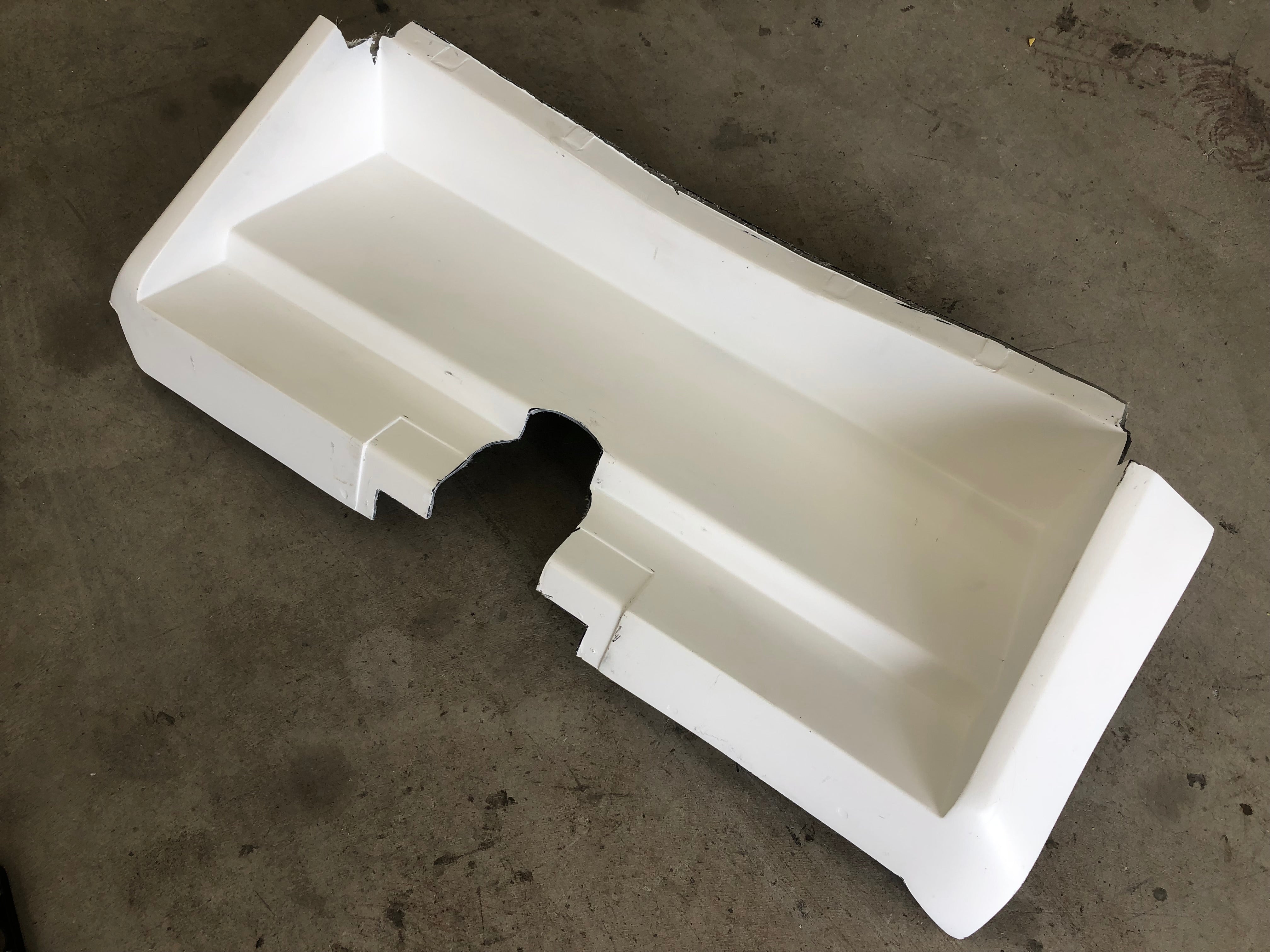
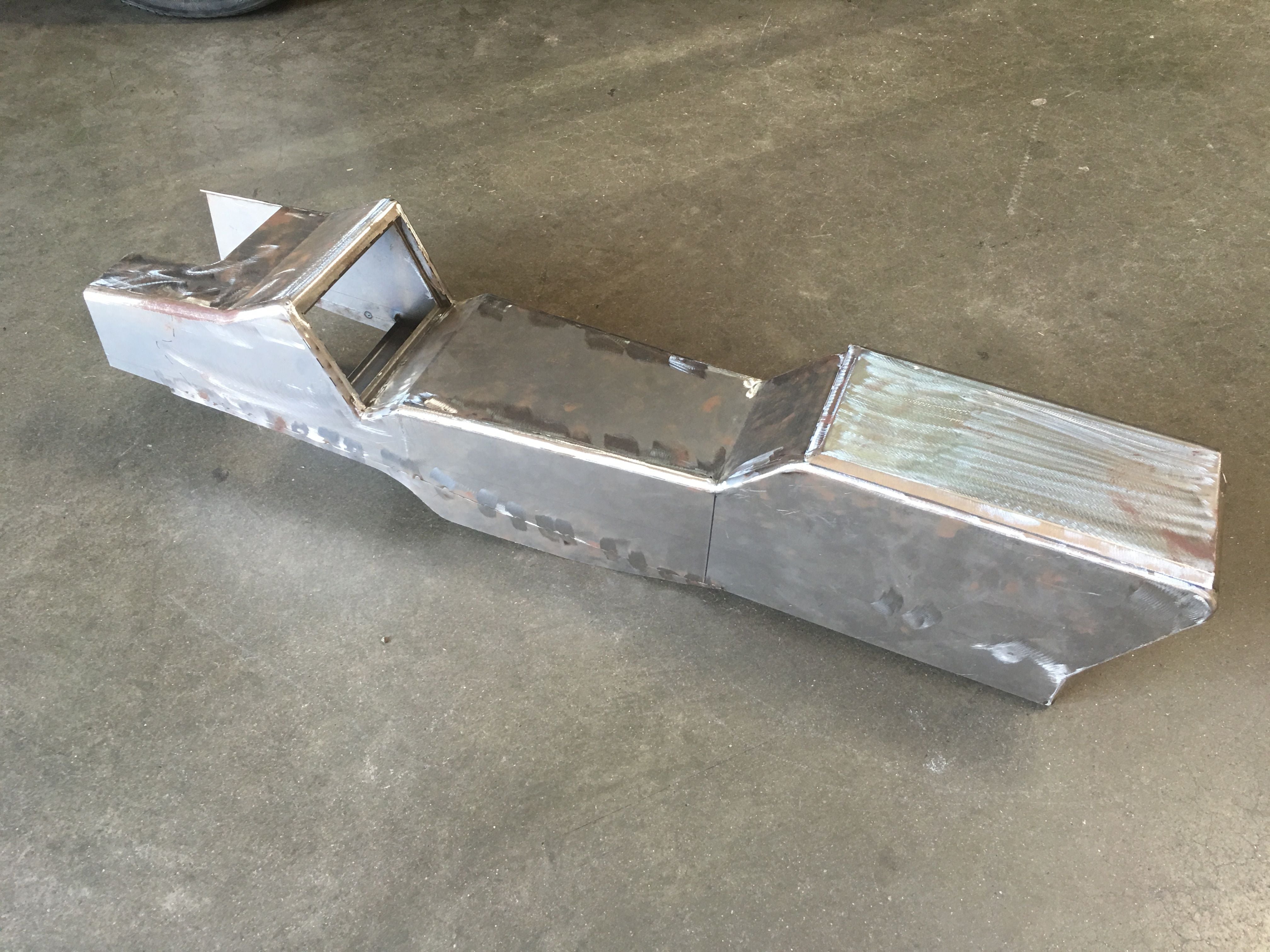
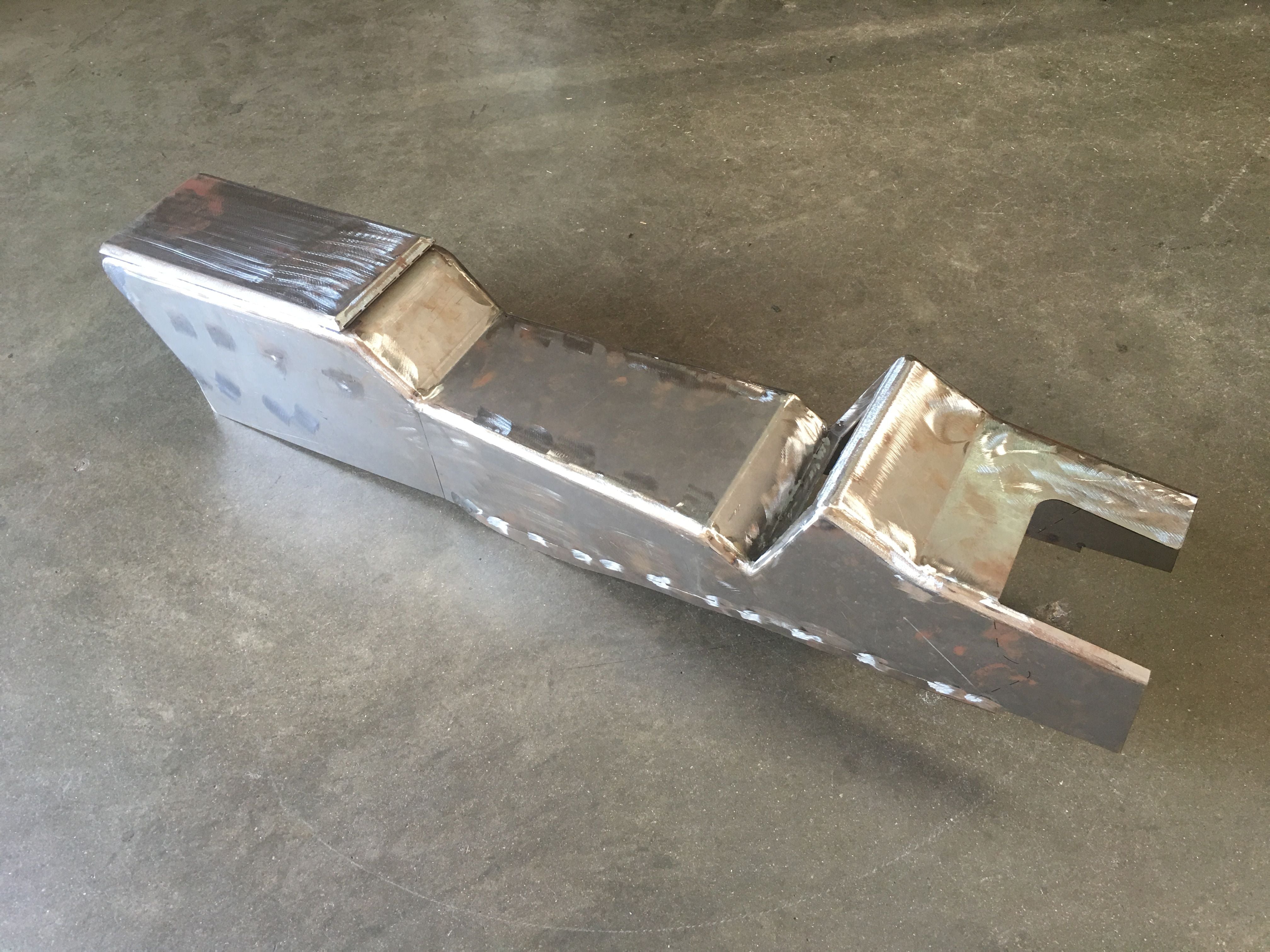
Inside, the Nova dash overlay drops over the factory dash without pulling the windshield, and the fiberglass console gives you somewhere to put a modern shifter and cup holders that the factory never planned for. Both ship in raw gel coat for your trim shop. Everything we make for the car is in the 1968-72 Nova collection, and the earlier body is covered in the 1966-67 Nova collection. If you are trying to decide what to buy first, our build order guide walks through it.
Quick answers
How many 1969 Nova SS cars were built? 17,564 SS packages were sold in 1969. Of those, 5,262 had the 375 horsepower L78 396 and 1,947 had the 350 horsepower L34 396.
Did the Nova share parts with the Camaro? Yes. From 1968 the Nova used a front subframe shared with the Camaro, which is why the same engines, mounts, and front suspension parts fit both.
What was COPO 9738? A 1968 order of 50 Nova SS cars with the L78 396 and a Turbo 400 automatic, arranged by Fred Gibb Chevrolet for NHRA homologation. It was not a 427 car.
How many Yenko Novas were built? 37 cars plus one automatic prototype in 1969. They were dealer conversions with a 427 swapped in at Yenko's shop, not factory COPO cars.
Did Chevrolet ever build a 427 Nova? No. Chevrolet refused to install the 427 in the Nova. Every 427 Nova of the era was a dealer or shop conversion.
Did the Nova flop in Spanish speaking countries because of its name? No. Snopes and others have debunked it. The car sold normally in those markets.
Shop Fesler parts for the 1968-72 Nova or browse every flush mount glass kit we make.

Leave a comment
This site is protected by hCaptcha and the hCaptcha Privacy Policy and Terms of Service apply.