
When a new windshield still leaks, the glass is often fine and the metal around it is not. Pinch-weld rust leaves pits, scale, and thin spots in the flange the glass seals against, so the urethane bead or gasket never gets a solid, continuous surface, and water finds the gap. The fix happens before glass day: pull the glass, grade the rust honestly, repair the metal, and prime it the right way so your installer is bonding to sound steel.
This guide covers what the pinch weld does, why rust there defeats new glass, how to grade what you find, and what a proper repair looks like. If you are not yet sure the water is coming from the glass at all, start with our wet carpet guide to windshield leaks vs cowl leaks, then come back here. If you are planning a flush-mount conversion, the full lineup is in our flush-mount DOT glass collection.
What is the pinch weld on a windshield?
The pinch weld is the flange of sheet metal that runs around the windshield opening, where the body panels overlap and are joined. On a classic with gasket-set glass, the rubber gasket grips that flange. On bonded glass, which includes flush-mount kits and most modern cars, a bead of automotive urethane bonds the glass directly to it. Either way, the pinch weld is the sealing surface. If it is rough, rusty, or out of shape, the seal is too.
The flange does more than keep rain out. On bonded glass, the windshield is held in the car by that joint. The federal standard for windshield mounting, FMVSS 212, exists to keep the windshield in place during a crash so the glass can do its job and help keep occupants inside the vehicle. That rule is written for new vehicles, not your 1969 build, but the lesson carries over: the bond to the pinch weld is a safety joint, not a cosmetic seal. Tom Brandt, a collision technology instructor writing for BodyShop Business, put it plainly: "The bond is only as strong as its weakest link."
Why does a new windshield still leak?
Because new glass does not fix old metal. These are the usual ways pinch-weld rust and poor prep undo a fresh install:
- Rust hiding under the old seal. On gasket cars, the channel under the rubber traps water against bare steel. You cannot see or reach that metal with the glass in, which is why a touch-up around installed glass is a temporary fix at best.
- Pits and pinholes in the bond surface. A urethane bead needs a clean, continuous, primed surface. Scale, pitting, and pinholes interrupt it and leave paths for water.
- Filler on the flange. Body filler does not belong on the flat part of the flange where the bead sits. When it cracks or lifts, the seal goes with it.
- Paint where the bead goes. Color and clearcoat do not belong on the bond area. As Brandt explains, topcoat solvents can keep coming out for 60 to 90 days, and topcoats built to resist chemicals may not give urethane proper adhesion.
- Damage from removing the old glass. Gouges and deep scratches from cutting out old glass can expose metal that primer does not reach, and that is where new rust starts.
- The silicone band-aid. A bead of silicone around the trim may slow a drip for a while. It does nothing for rust at the flange, and all of it has to come off before a real repair can bond.
We cover the sealing side of bonded glass in more depth in does flush-mount glass leak. The short version holds here too: urethane bonds to clean, sound, primed metal, and nothing bonds well to corrosion.
How do you inspect a pinch weld for rust?
The honest inspection happens with the glass out. You can spot warning signs with it in place, but you cannot judge what is under the seal until you can see bare flange. Work around the whole opening and look for:
- Bubbling or lifting paint along the edge of the glass or trim. Rust is usually active underneath.
- The lower corners and the bottom edge, where water has the most time to sit. Check the top corners and A-pillar edges too.
- Old repairs: thick filler, lumpy welds, or patch panels that do not follow the original flange shape.
- Trim clip holes left over from the original moldings. They wick water if they are not filled and sealed.
- Soft or spongy metal when you press on the flange. That is past cleanup and into metal replacement.
- Interior clues: water stains or mold on the headliner edge, A-pillar trim, or kick panels.
Take photos of the opening before anyone grinds, and again after the repair is finished. DuPont's auto glass installation guide calls for photographing corrosion damage and the final treated area. It gives you a record, and it gives your installer and body shop the same picture of the job.
Grading pinch-weld rust: the four levels
DuPont's auto glass replacement guide sorts pinch-weld corrosion into four levels. It is a useful way to decide whether you are looking at cleanup or real metal work.
| Level 1: light oxidation | Light orange discoloration on the metal. Remove it (a wire brush is acceptable only at this level, or use an abrasive wheel or grinding stone), then prime the bare metal. |
|---|---|
| Level 2: moderate oxidation | Some red spots. Remove with an abrasive wheel, grinding stone, or media blasting, then prime. |
| Level 3: severe oxidation | Deep pitting, dark red spots with raised edges. Same removal methods, then check how much metal is left before priming. |
| Level 4: perforation | Anything from holes to loss of metal thickness. The guide's answer is to replace the panel. |
Level 3 is the judgment call. Brandt's guidance is that surface corrosion without thinning of the base metal can be removed and primed, but once pitting has thinned the metal, you need to be careful about whether the flange is still strong enough to hold the glass. If you have to ask, have a body shop look at it.
How do you repair a rusted pinch weld the right way?
The order matters. Here is the sequence, drawn from DuPont's installer guide and BodyShop Business:
- Get the old glass and seal out. If the old glass was bonded with a compatible urethane, Brandt advises leaving the old bead in place until just before the new install, then trimming it down to 1 to 2 mm. DuPont's guide calls for the same 1 to 2 mm trim. If you do not know what the old adhesive is, remove it all and prime. On a gasket car, the old gasket and sealer come off so you can see the bare flange.
- Remove the rust down to clean metal. Abrasive wheel, grinding stone, or media blasting, matched to the level of corrosion.
- Replace metal that is gone. Perforated or badly thinned sections get cut out and replaced with metal shaped to the original flange profile. Grind welds close to flush without thinning the metal around them.
- Keep filler off the bond surface. If filler is needed on surrounding panels, keep it away from the flat of the flange where the bead will sit.
- Prime the bare metal. Brandt calls for an epoxy or self-etching primer, applied per the paint manufacturer's instructions.
- Mask the bond strip before color. Brandt recommends masking the roughly 3/4-inch area where the urethane bead will go before the opening is topcoated. Color and clearcoat stay off the bond area.
- Leave the final primer to the installer. The pinch weld primer should come from the same company as the urethane and goes on right before the glass is set. Brandt notes these primers are not designed to protect sizable areas of bare metal, so larger bare spots get epoxy or self-etching primer first.
Brandt also advises setting the glass as soon as possible after the final trim of the old urethane, before dust and handling contaminate the surface.
Pinch-weld rust and flush-mount glass
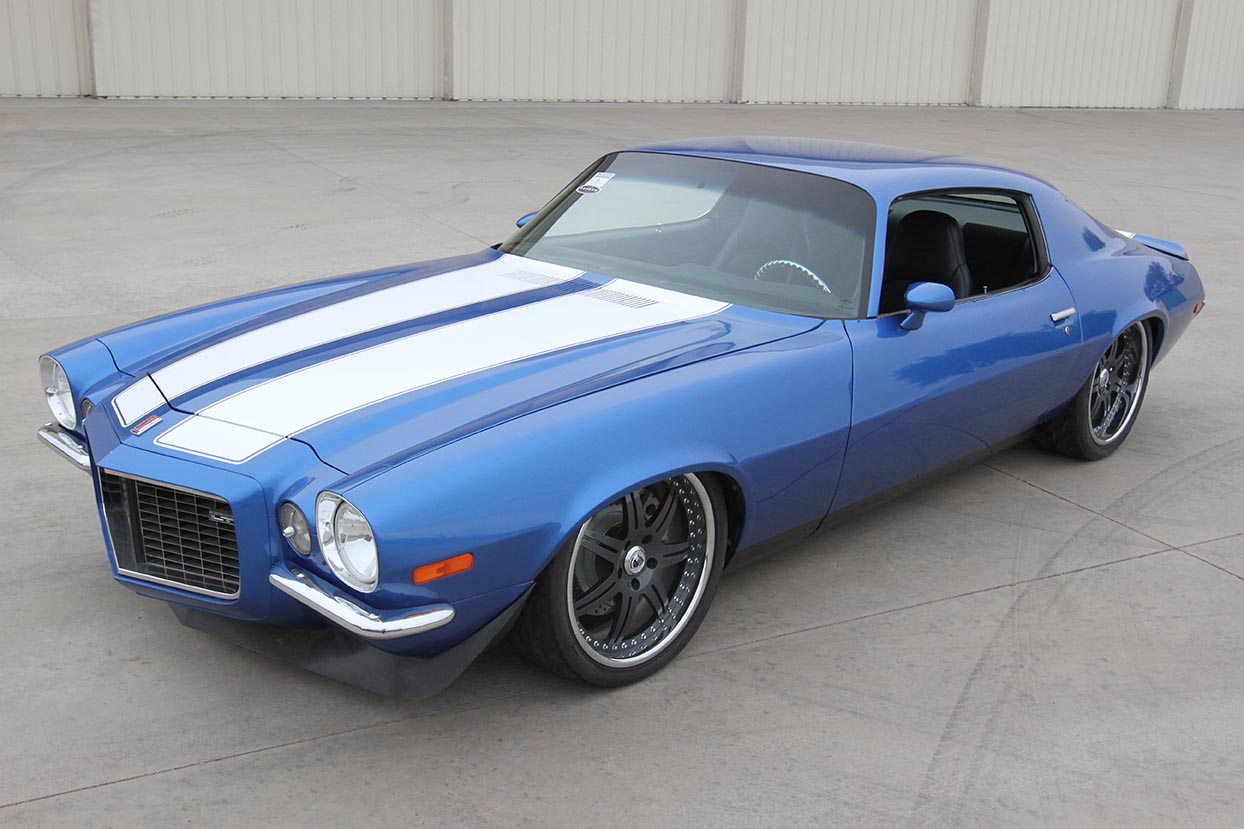
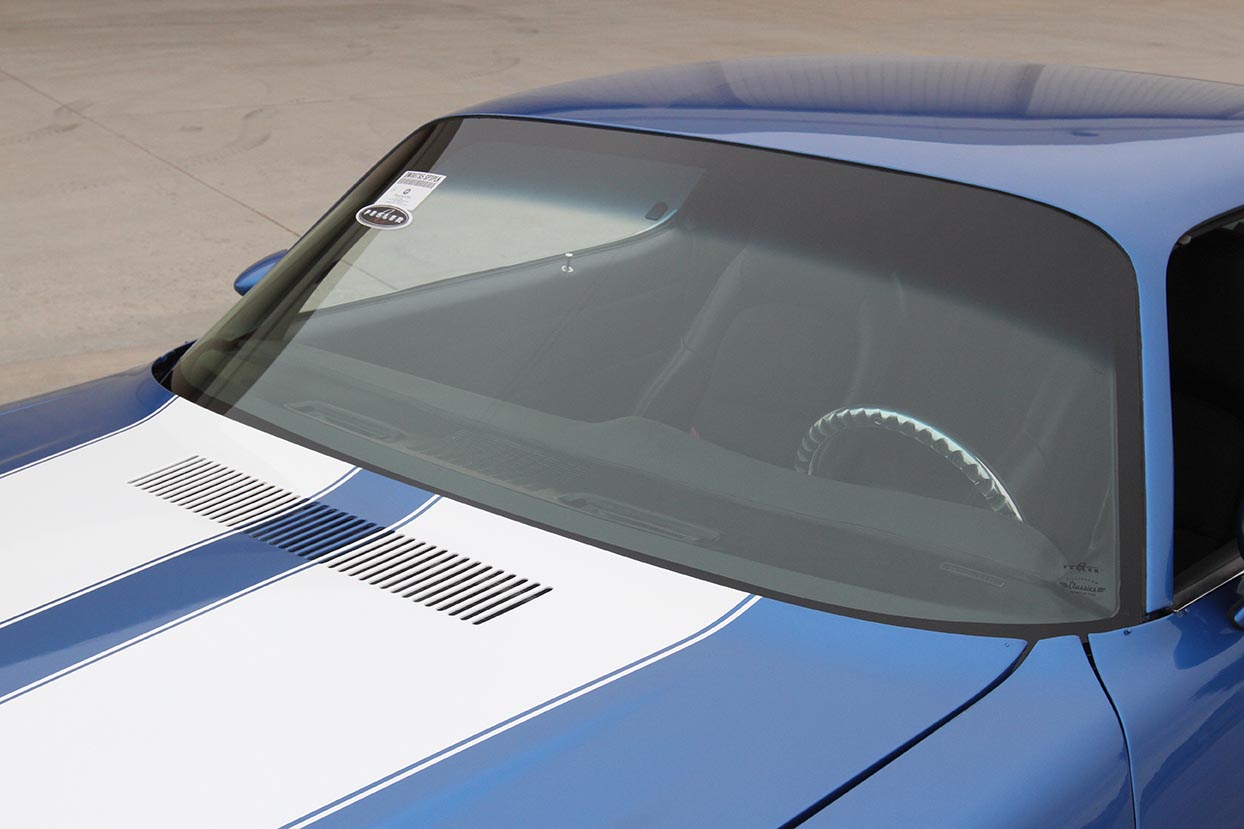
Flush-mount glass makes the condition of the pinch weld even more important. There is no gasket or chrome trim to cover the edge. Our kits bond with a frit band, primer, and an automotive urethane system, so the flange is the entire seal. The glass is made in North America with our partner Pilkington USA, and it is designed and verified to original factory dimensions on factory sheet metal. That is another reason metal repairs need to follow the original flange shape: if a patch changes the opening, the glass will tell you.
A few details from our product pages that matter at this stage:
- Installation is for a certified auto glass technician, using automotive urethane with proper primers.
- Do not use butyl tape. Butyl holds roughly 60 psi, and urethane systems hold 600 psi or more.
- Test fit within 60 days of receipt. Glass is non-returnable, and warranty and replacement are not available after 60 days.
- If the glass does not fit out of the crate, the vehicle may need body work.
That test-fit window lines up well with rust repair. Order the glass early, inspect the crate when it arrives using our guide to receiving your glass shipment, and test fit it against the repaired opening before paint. Our article on who installs flush-mount glass and what it costs explains why filling trim clip holes and checking the opening before paint saves money, and the same logic applies to rust repair.
What should you tell your installer?
- Show them the before and after photos of the pinch weld repair.
- Tell them what primer is on the bare metal and where the bond strip was masked.
- Ask which urethane and primer system they use, and follow that manufacturer's instructions on prep and safe drive-away time.
- Point them to our flush glass install tips page for flush-mount specifics.
A good installer will look at the opening before setting the glass. If they flag a soft corner or a rough patch, listen. Fixing it now costs far less than pulling bonded glass back out later.
Frequently asked questions
Can you put a new windshield over pinch-weld rust?
Not if you want it to last. The urethane bead or gasket needs clean, sound, primed metal to seal against. Rust left under the seal can keep spreading beneath the adhesive line, and the leak comes back.
Can pinch-weld rust be fixed without removing the windshield?
Not properly. Rust under the seal cannot be seen or reached with the glass in place, so a lasting repair means pulling the glass, removing the rust, and priming the metal before the glass goes back in.
Can I use body filler on a pitted pinch weld?
Not on the flat part of the flange where the urethane bead sits. Repair the metal instead, keep any welds ground close to flush, and keep filler off the bond surface.
Should the pinch weld be painted?
Primed, yes. Color and clearcoat, no. Bare metal gets an epoxy or self-etching primer, the strip where the bead sits is masked before topcoat, and the installer applies the urethane maker's primer system right before the glass goes in.
Is silicone a good fix for a leaking windshield?
No. Silicone smeared around the glass or trim does not fix rust at the flange, and it makes a proper repair harder later because it all has to come off before anything can bond.
Can butyl tape be used to install flush-mount glass?
No. Fesler's product pages say not to use butyl tape for flush glass. Butyl holds roughly 60 psi, while automotive urethane systems hold 600 psi or more.
Get the metal right, then set the glass once
Pinch-weld rust is not glamorous work, but it is what decides whether new glass stays dry. Repair the flange, prime it correctly, and the glass only has to go in once. When the opening is ready, browse the Fesler flush-mount DOT glass collection for your application. If you have a question about your opening, your shell, or your timing, contact us or call us at 480-748-2000.
Sources: DuPont, Auto Glass Replacement General Information (corrosion levels, removal methods, urethane trim height, photo documentation, scratches from cutting); BodyShop Business, Tom Brandt, "Pinchweld Flanges: The Weakest Link" (old bead handling, filler, welds, primers, masking, topcoat solvents, thinning metal, quote); eCFR, 49 CFR 571.212 FMVSS 212 (purpose of windshield retention).


Leave a comment
This site is protected by hCaptcha and the hCaptcha Privacy Policy and Terms of Service apply.