
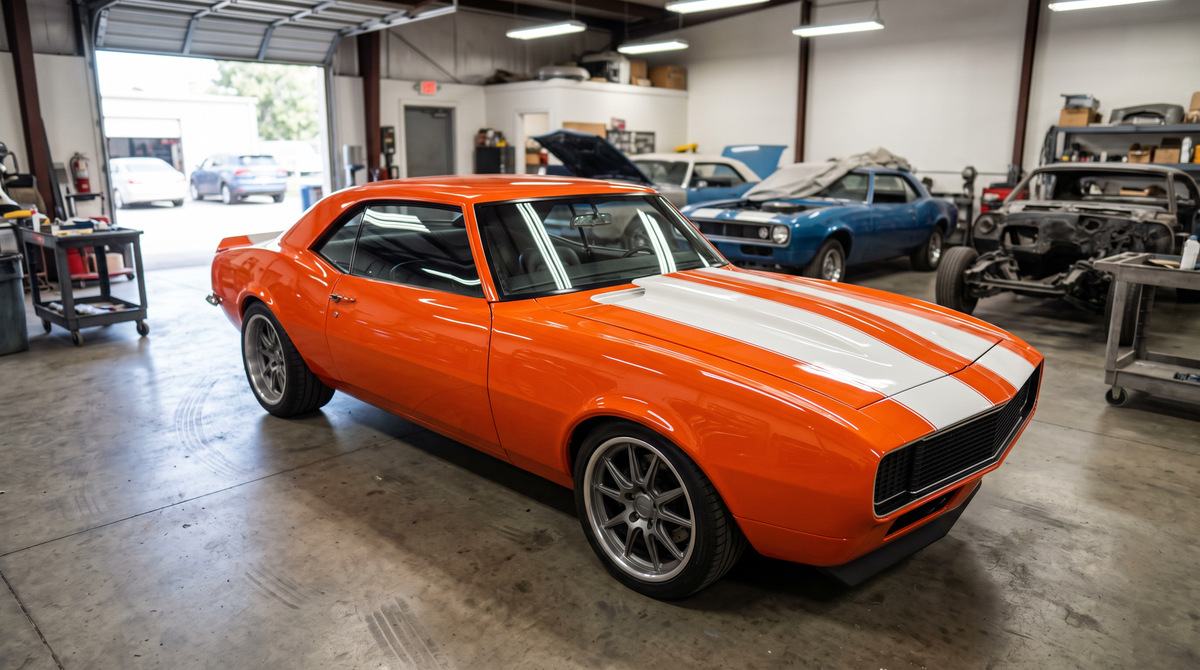
1967 vs 1968 vs 1969 Camaro: What Actually Interchanges
First-gen Camaros look interchangeable and are not. Glass and kick panels carry all three years, door panels and power window kits split at 1967, and the dash and A-pillars are 1969-only. Here is t...
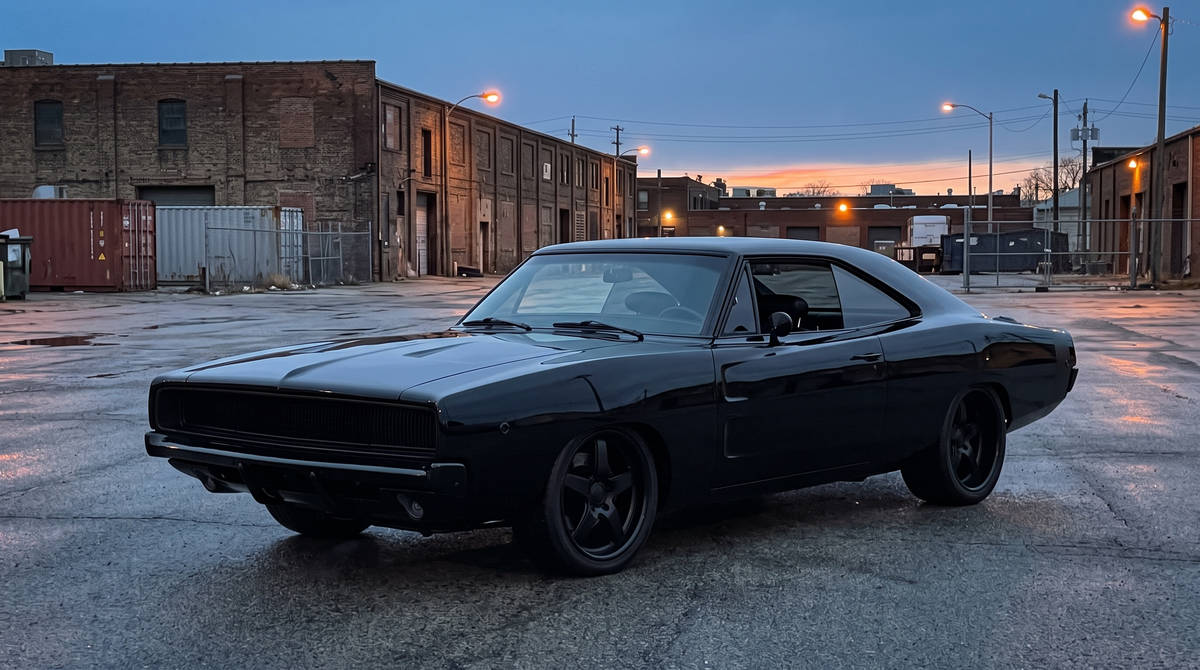
The 1968-1970 Dodge Charger Restomod Guide: What to Build and What to Leave Alone
The second-generation Charger is the best-looking American car of the era and one of the least well-served by the aftermarket. Here is what changed between 1968, 1969, and 1970, which cars you shou...
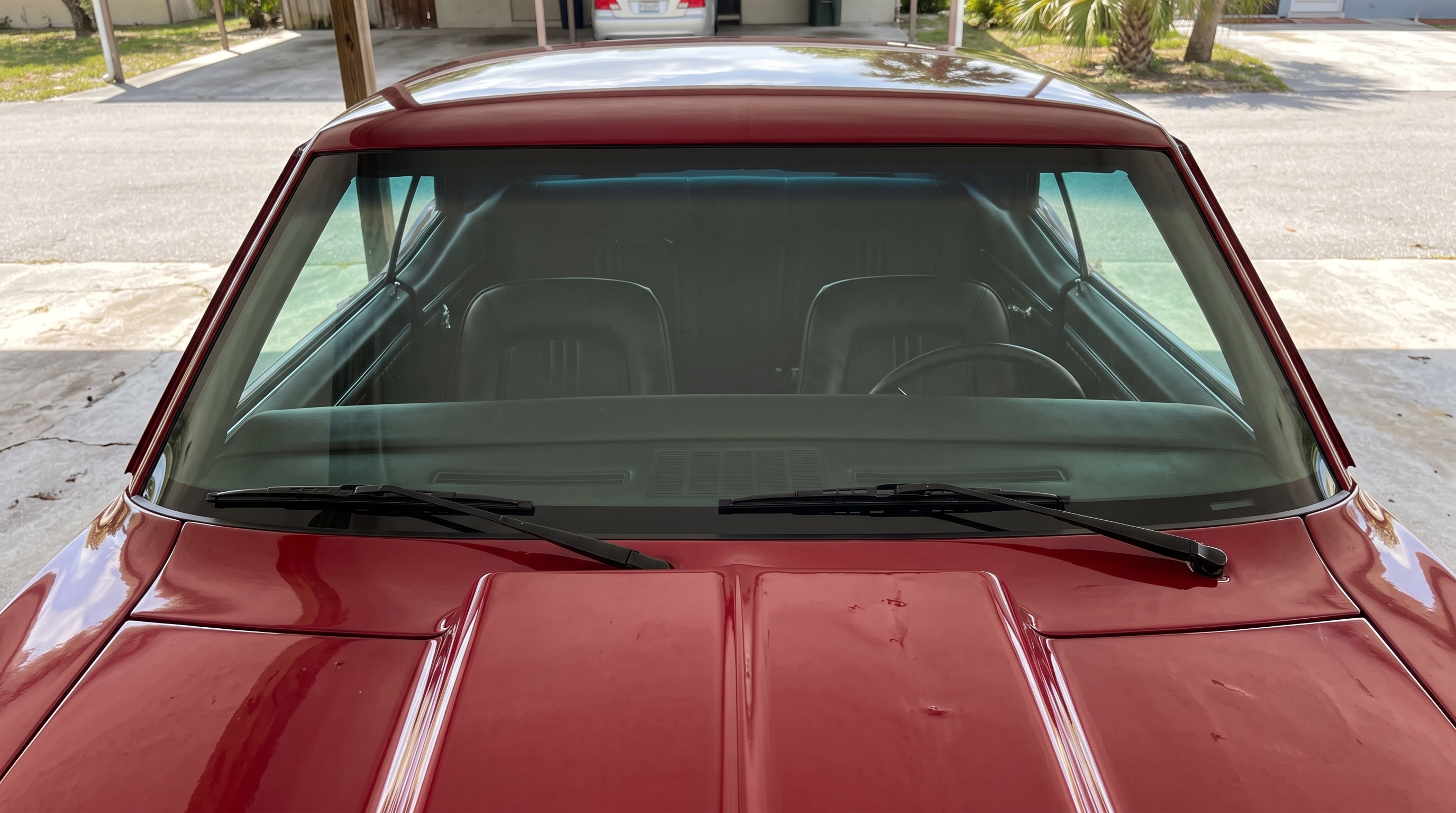
How to Read the Bug: Decoding Every Marking on Your Windshield
That small etched block in the corner of your windshield tells you who made the glass, whether it is legal for a windshield, and roughly when it was manufactured. Here is how to read every element,...
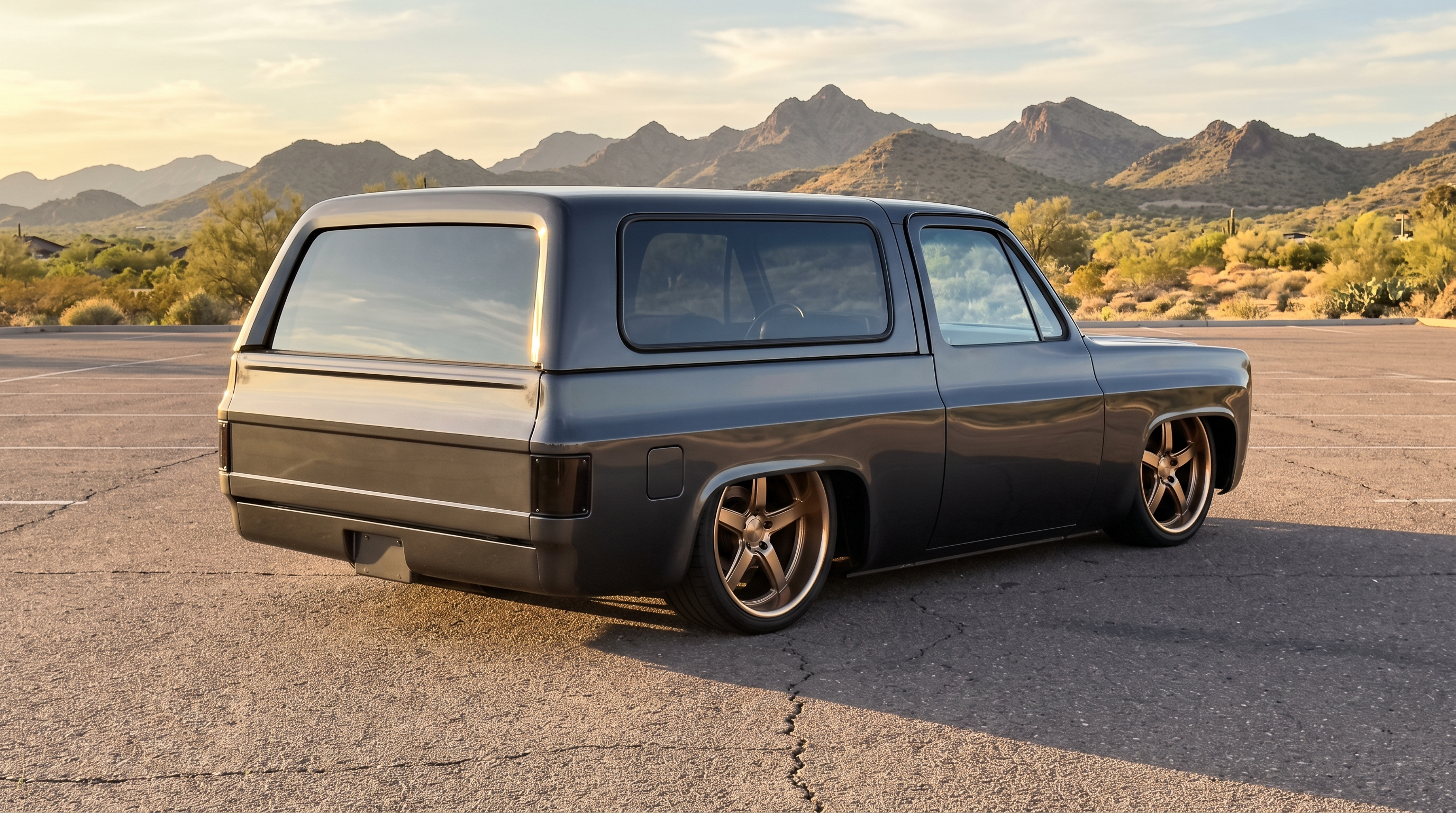
K5 Blazer Flush-Mount Glass: The 1969-1991 Builder's Guide
Fesler builds flush-mount DOT glass for both K5 Blazer generations: a full front, side, and rear kit for the 1969-1972 first-gen, and a windshield plus top side glass program for the 1973-1991 squa...
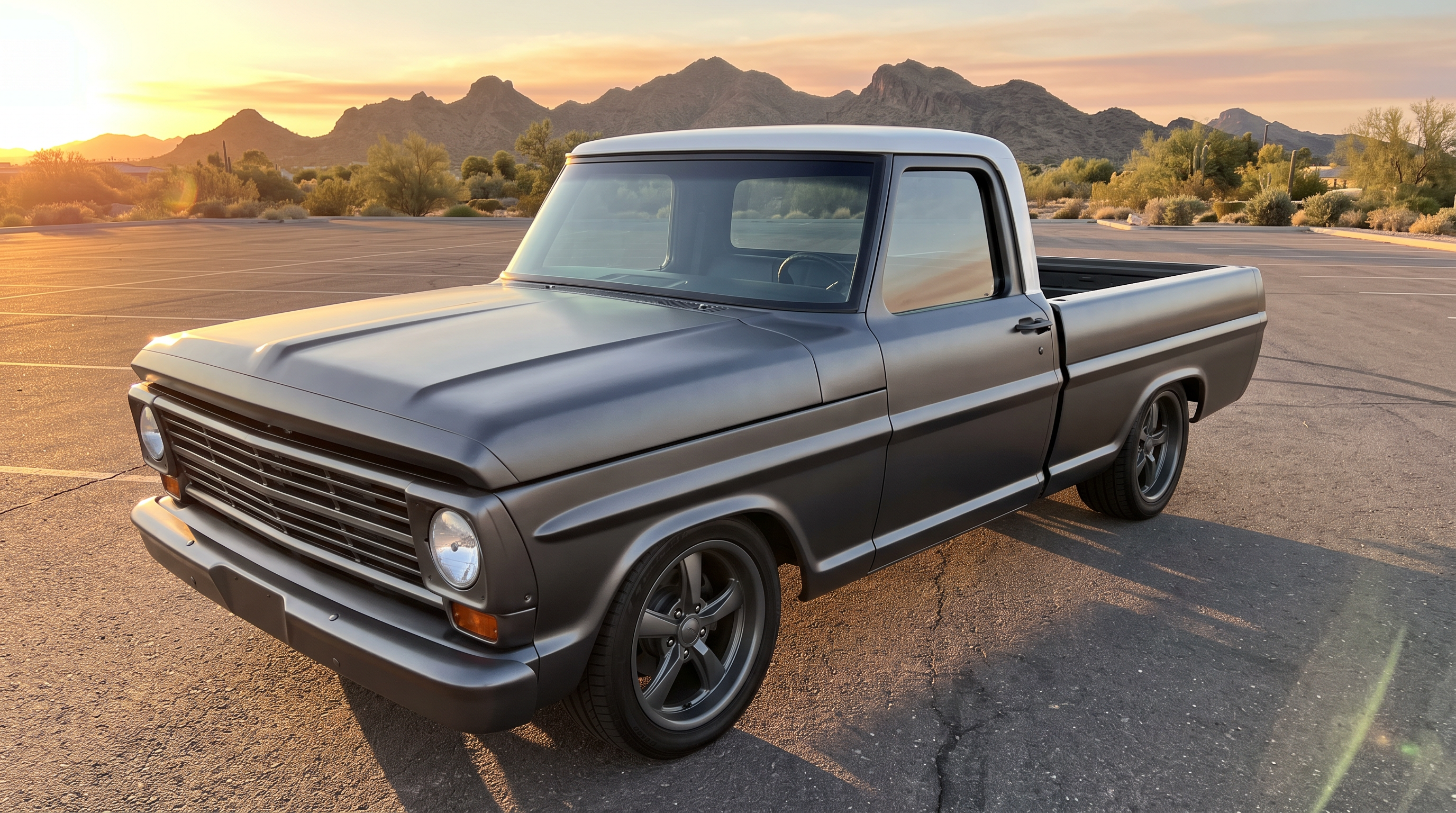
1967-1972 Ford F-100 Flush-Mount Glass: The Bumpside Builder's Guide
One DOT-certified flush-mount kit covers every 1967-1972 Ford truck, F-100 through F-350, front windshield and rear glass, trimless and rubberless. Here is what it changes on a bumpside, the body p...
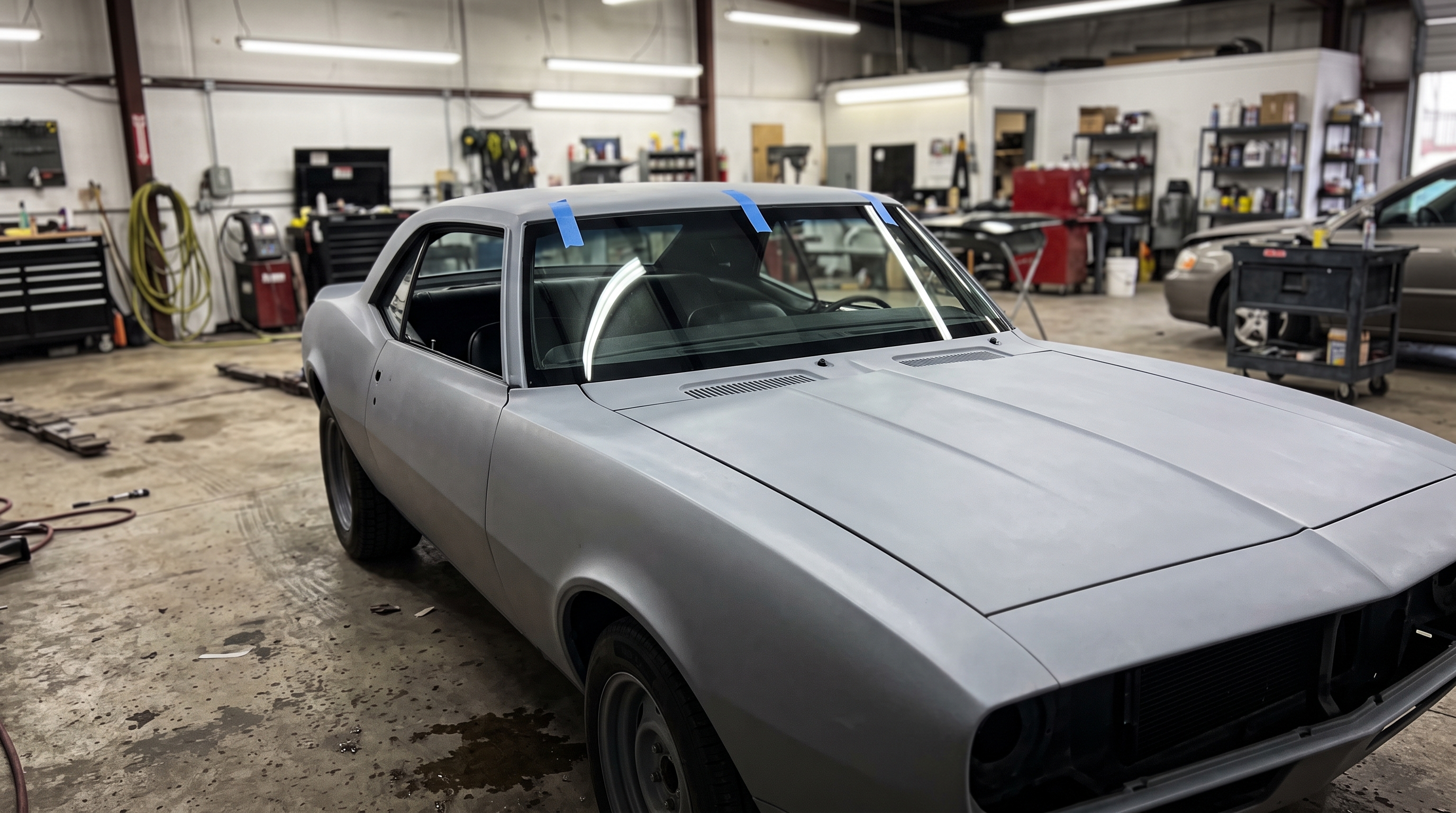
Who Actually Installs Flush-Mount Glass, and What It Costs
National windshield chains will not touch flush-mount glass on a classic, and it is a business problem rather than a technical one. Here is who to call instead, the five questions to ask before you...
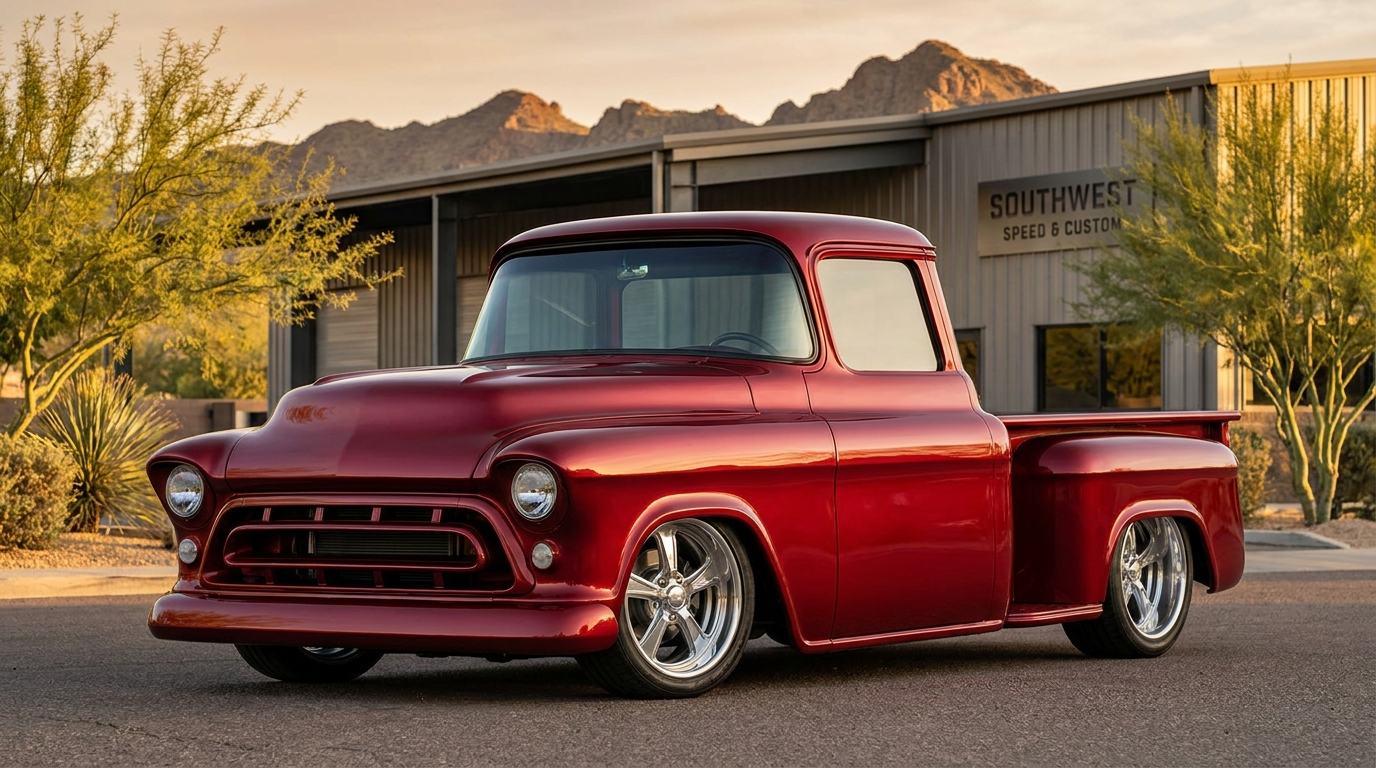
Flush-Mount Glass for 1955-59 Chevy Trucks: The Task Force Builder's Guide
Fesler now builds DOT flush-mount glass for 1955-59 Task Force Chevy trucks. Here is what the kit changes, why the wraparound windshield era benefits most, and how to get in on the pre-order.
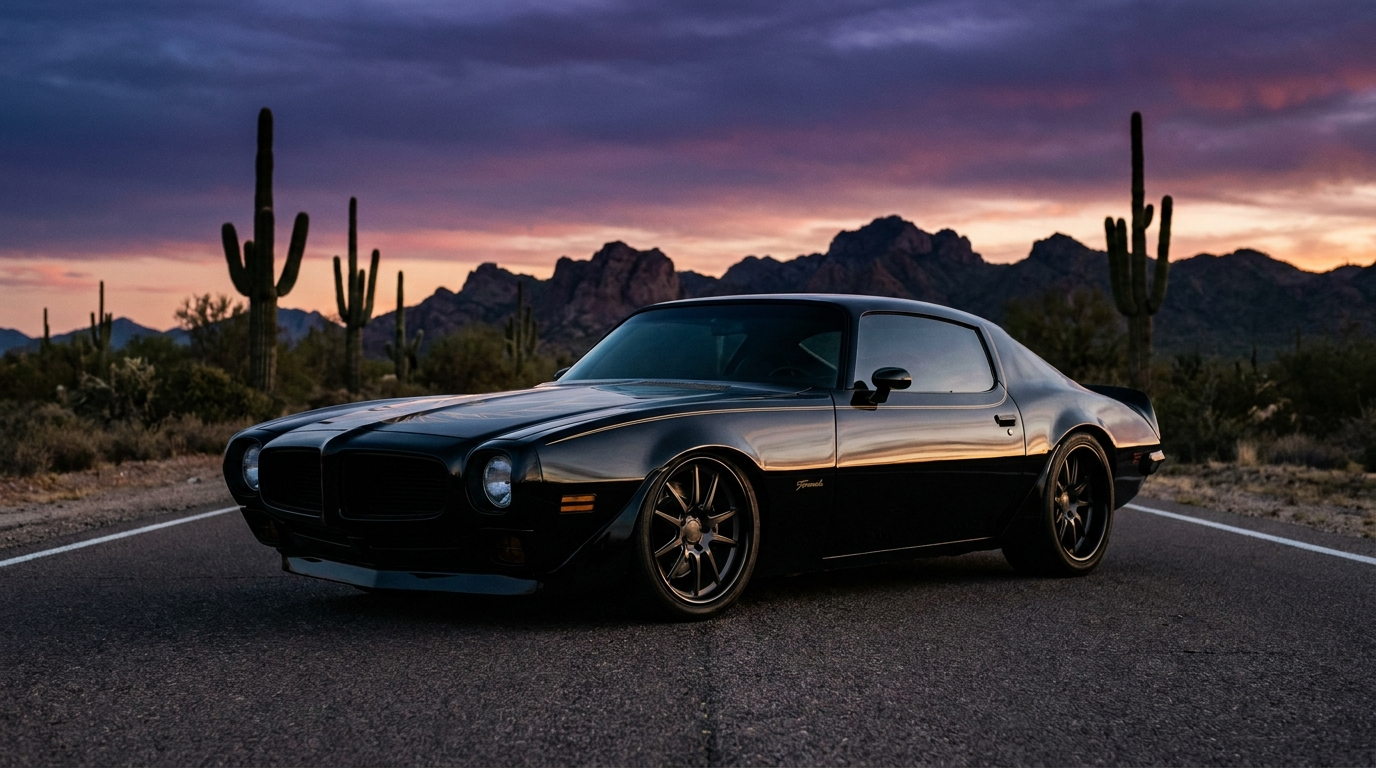
Firebird and Trans Am Flush-Mount Glass: The 1970-81 Builder's Guide
Second-gen Firebird and Trans Am builders finally get the full flush-mount glass answer: which Fesler kits fit, why the F-body glasshouse loves this upgrade, and how to plan it.

Bronco Flush-Mount Glass: The Complete 1966-76 Builder's Guide
Everything early Bronco builders need to know about flush-mount glass: what changes on the body, how the trimless look works, DOT certification, and how to plan the install.
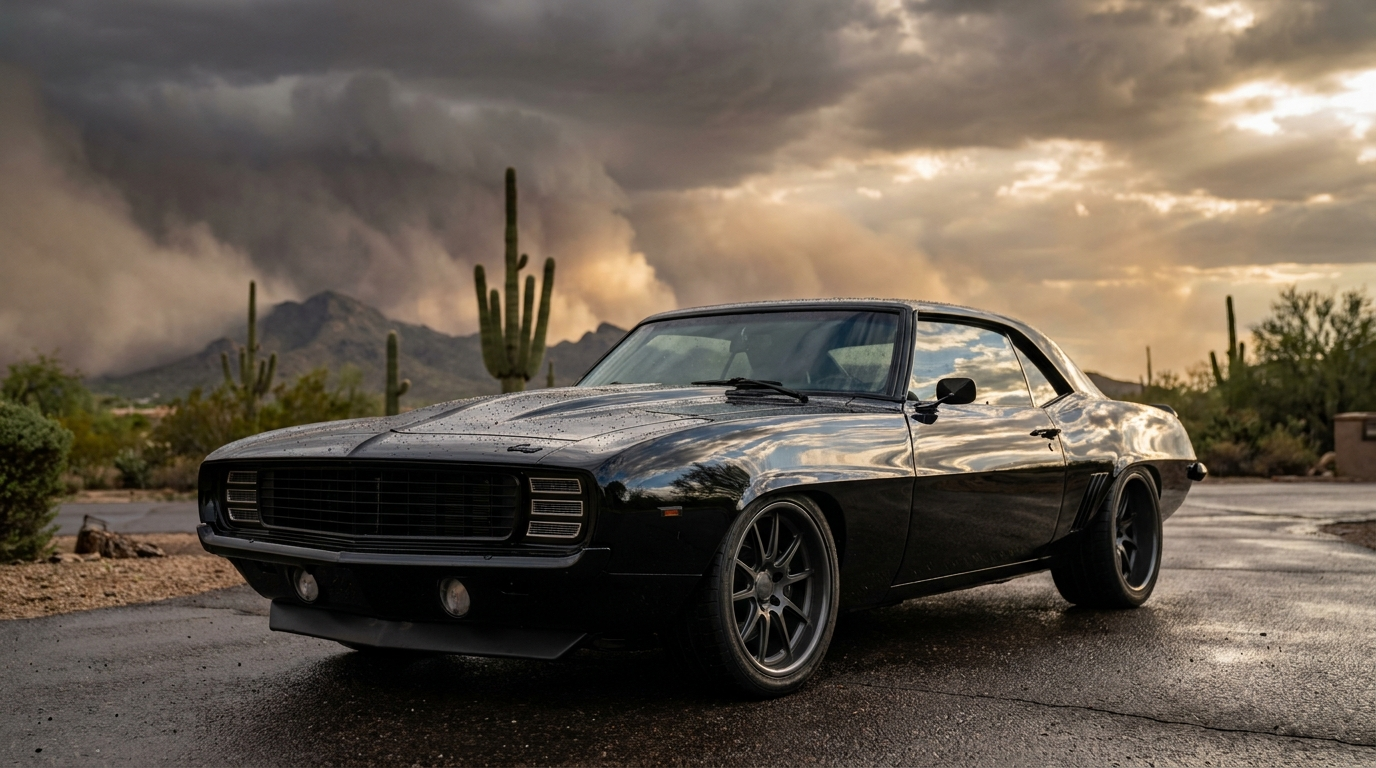
Monsoon-Proofing Your Classic: The Phoenix Leak-Season Checklist
Phoenix monsoon season finds every weak seal on a classic car. Use this checklist to test your windshield, cowl, and weatherstripping before the first big storm hits.
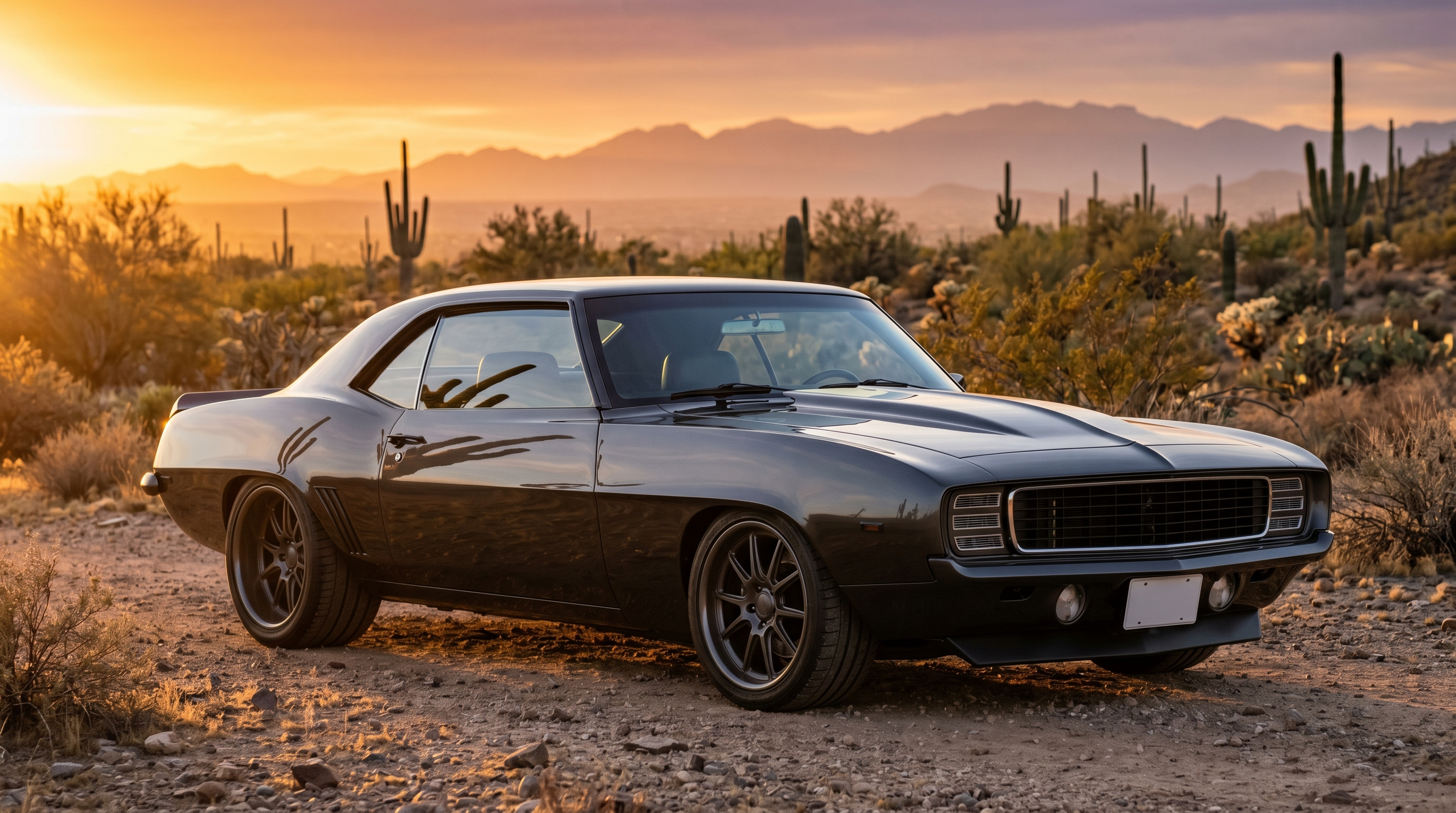
Camaro flush-mount glass: the complete 1967 to 1981 builder's guide
The flush-mount glass upgrade for the 1967 to 1981 Camaro, start to finish. First-gen and second-gen fitment, what the frameless look changes, DOT certification, leaks and wind noise, where glass f...
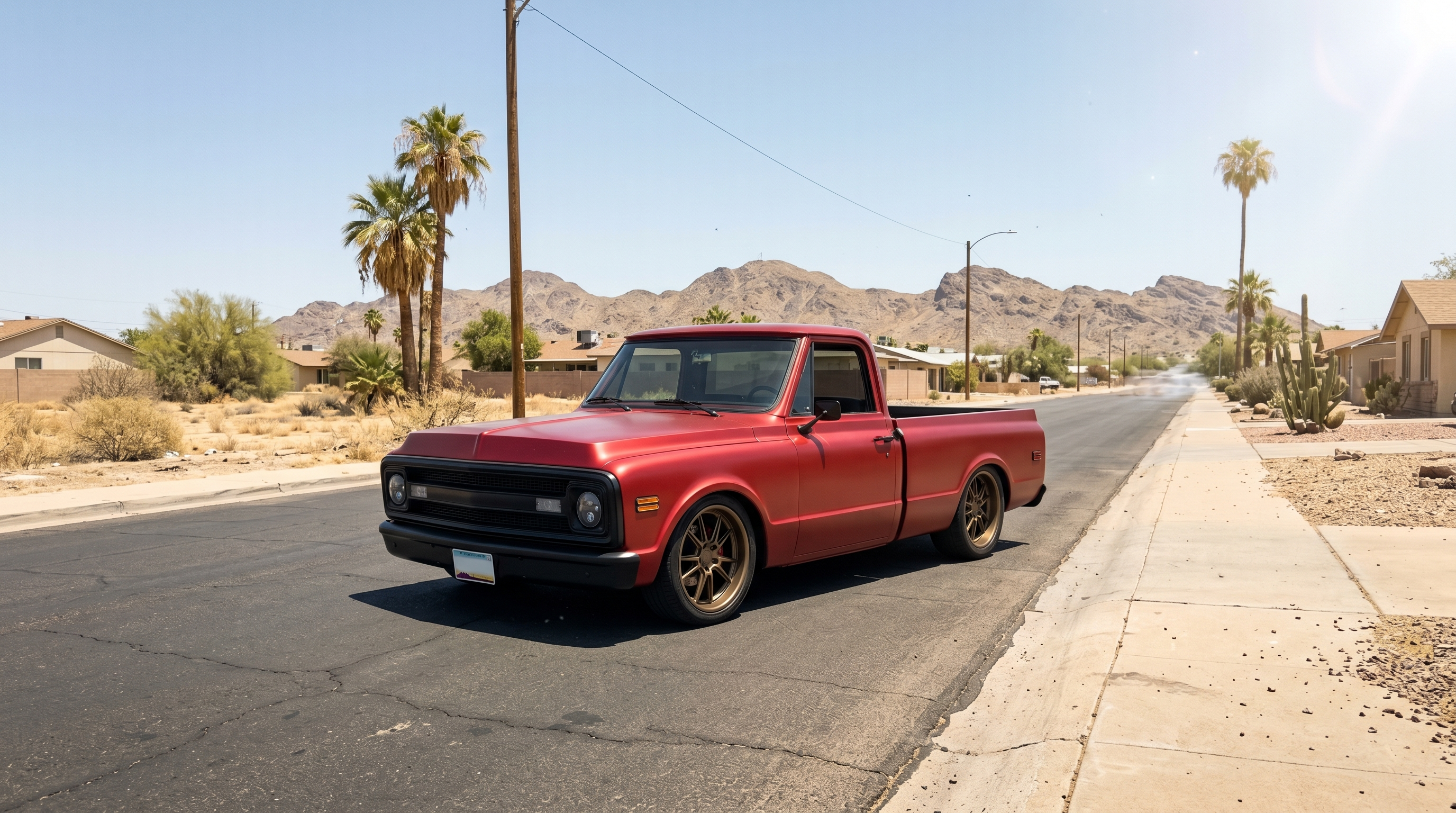
Can you drive a classic in a Phoenix summer? The honest guide to AC, glass, and heat
Yes, you can drive a classic through an Arizona summer and enjoy it. Here is the honest take on what classic cabins do in 110-degree heat, how modern AC changes the build, why the climate decision ...
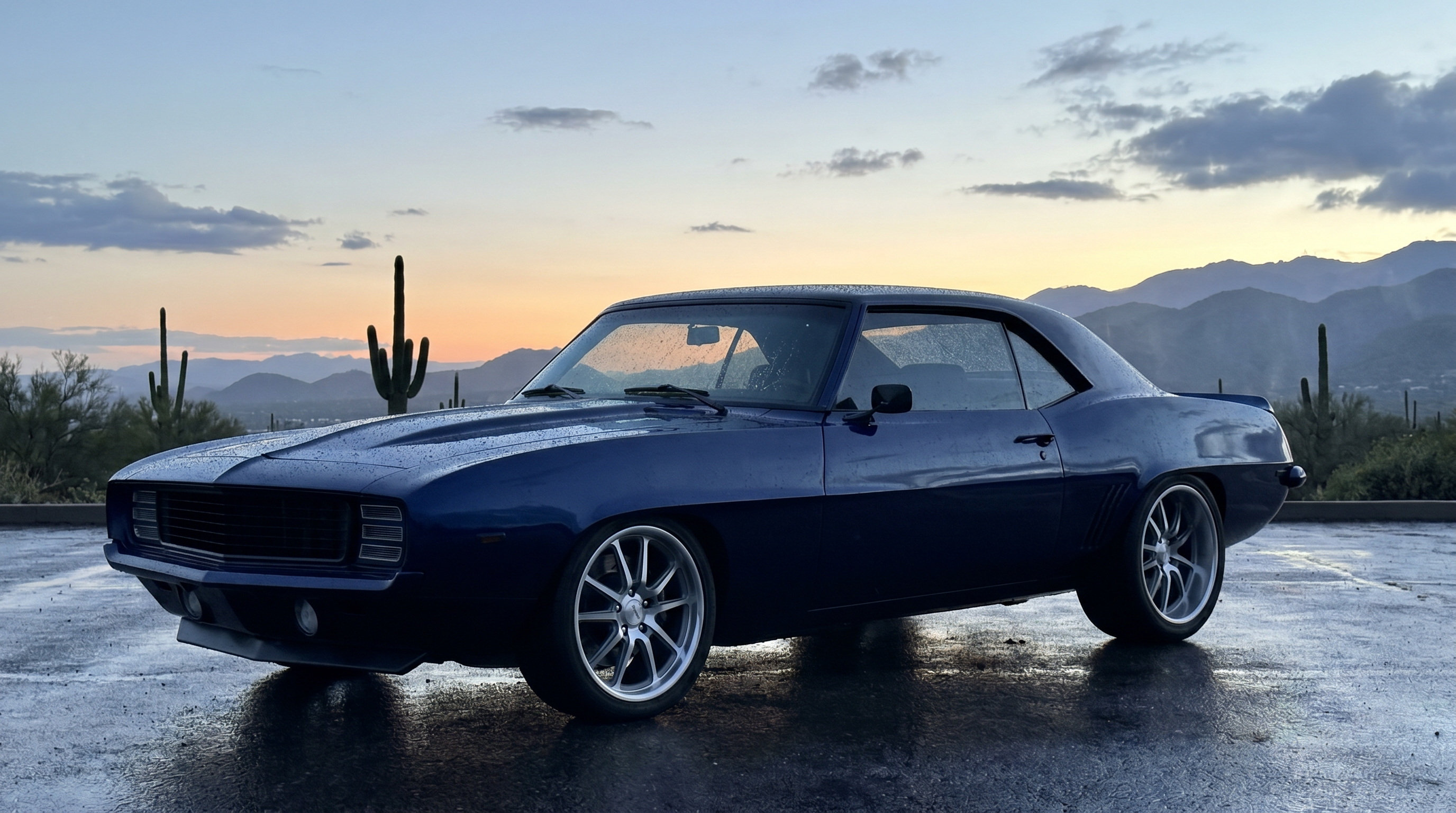
Does flush-mount glass leak? Honest answers to the questions builders ask before buying
Leaks, wind noise, rock chips, replacement, insurance. Every question builders ask about flush-mount glass before they buy, answered straight, including the downsides.
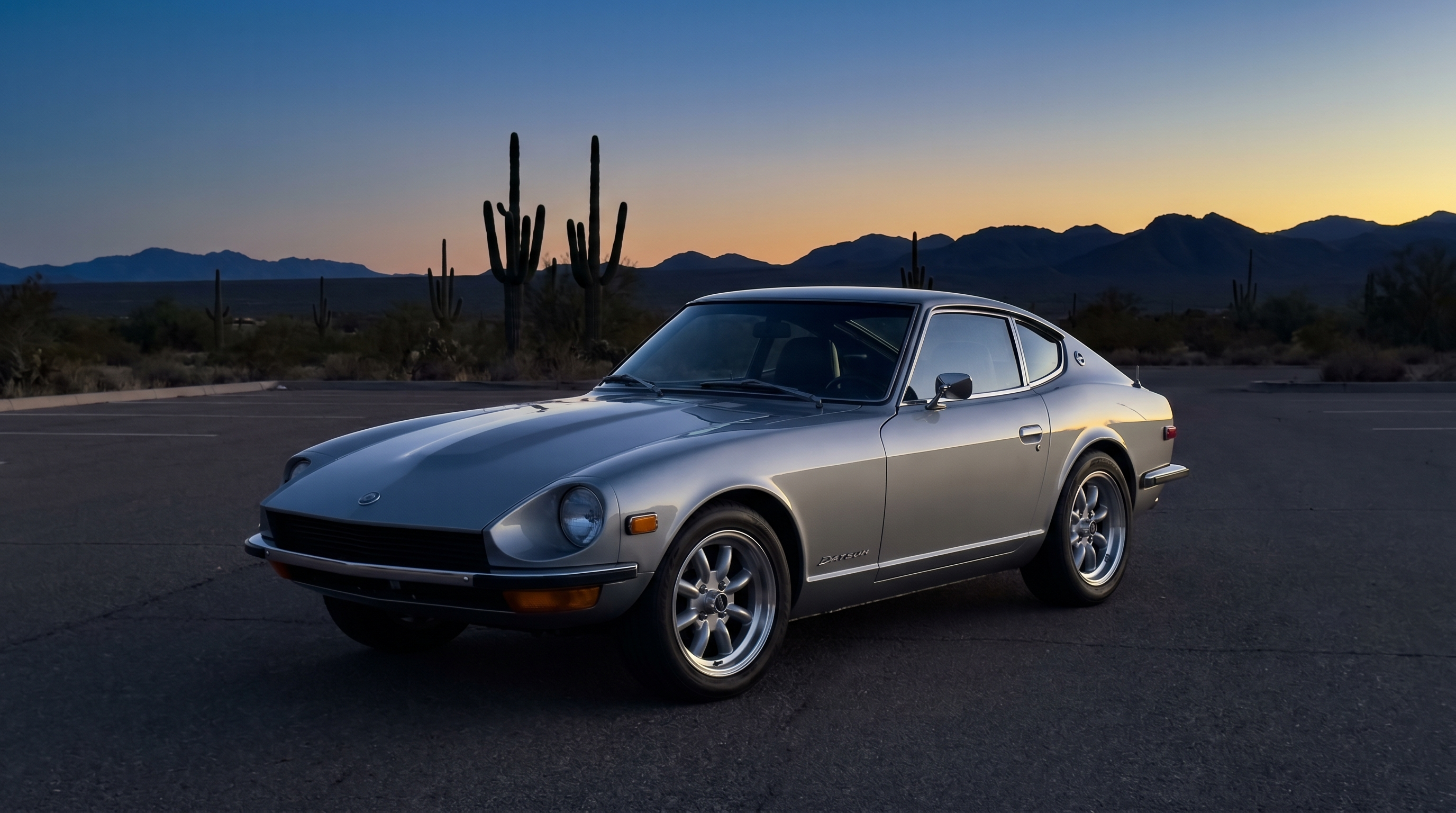
Nobody makes your windshield anymore: what to do when your classic's glass is discontinued
The local glass shop just said NLA. Why classic glass goes extinct, how to identify exactly what your car needs, every real option ranked honestly, and the new-production path that brings dead glas...
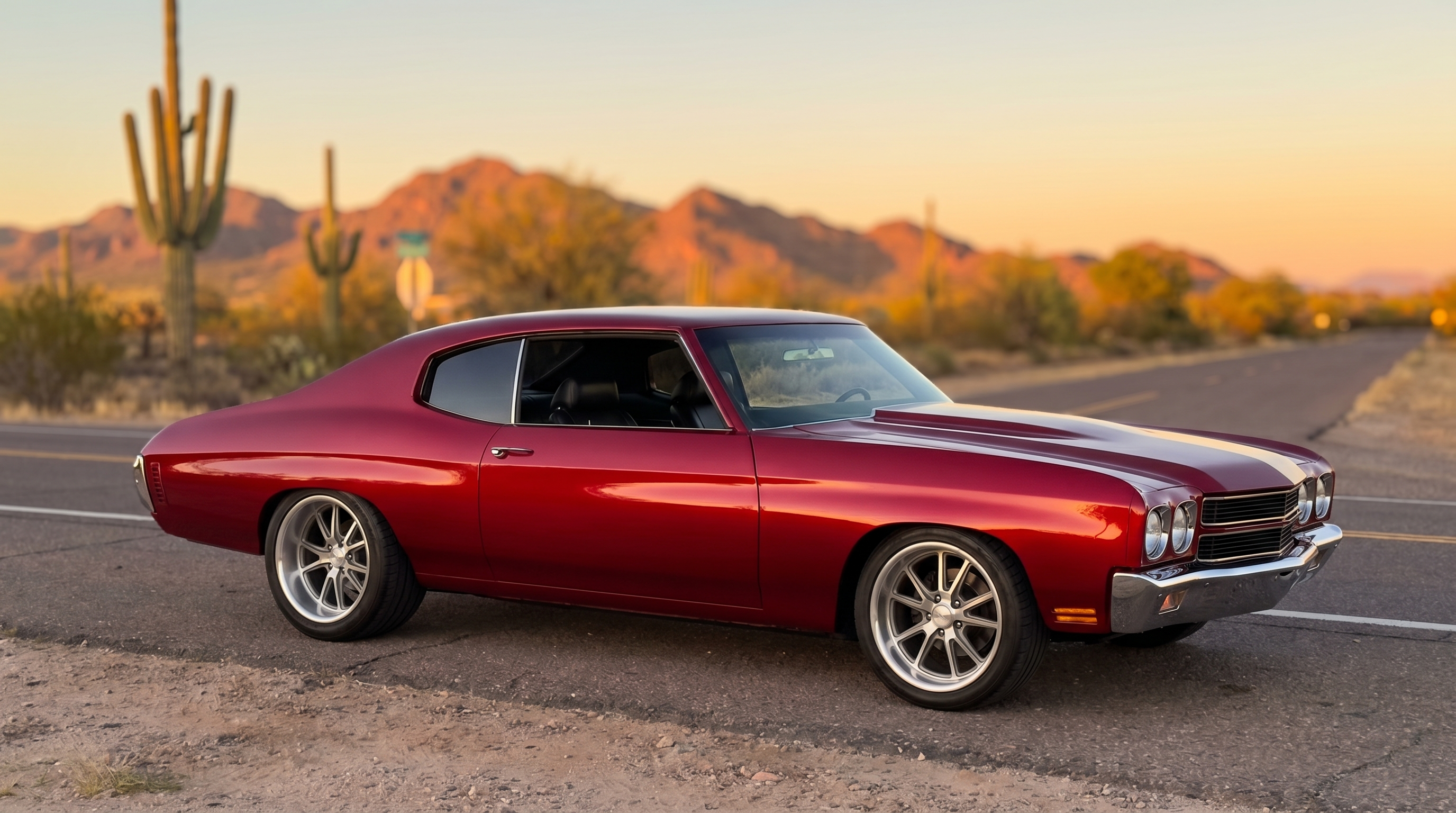
Chevelle flush-mount glass: the complete 1968 to 1972 builder's guide
What flush-mount glass changes on a 1968 to 1972 Chevelle, and the part most owners do not know yet: the DOT kits are on the shelf for both 1968-72 and 1966-67 cars. Plus the full A-body interior c...
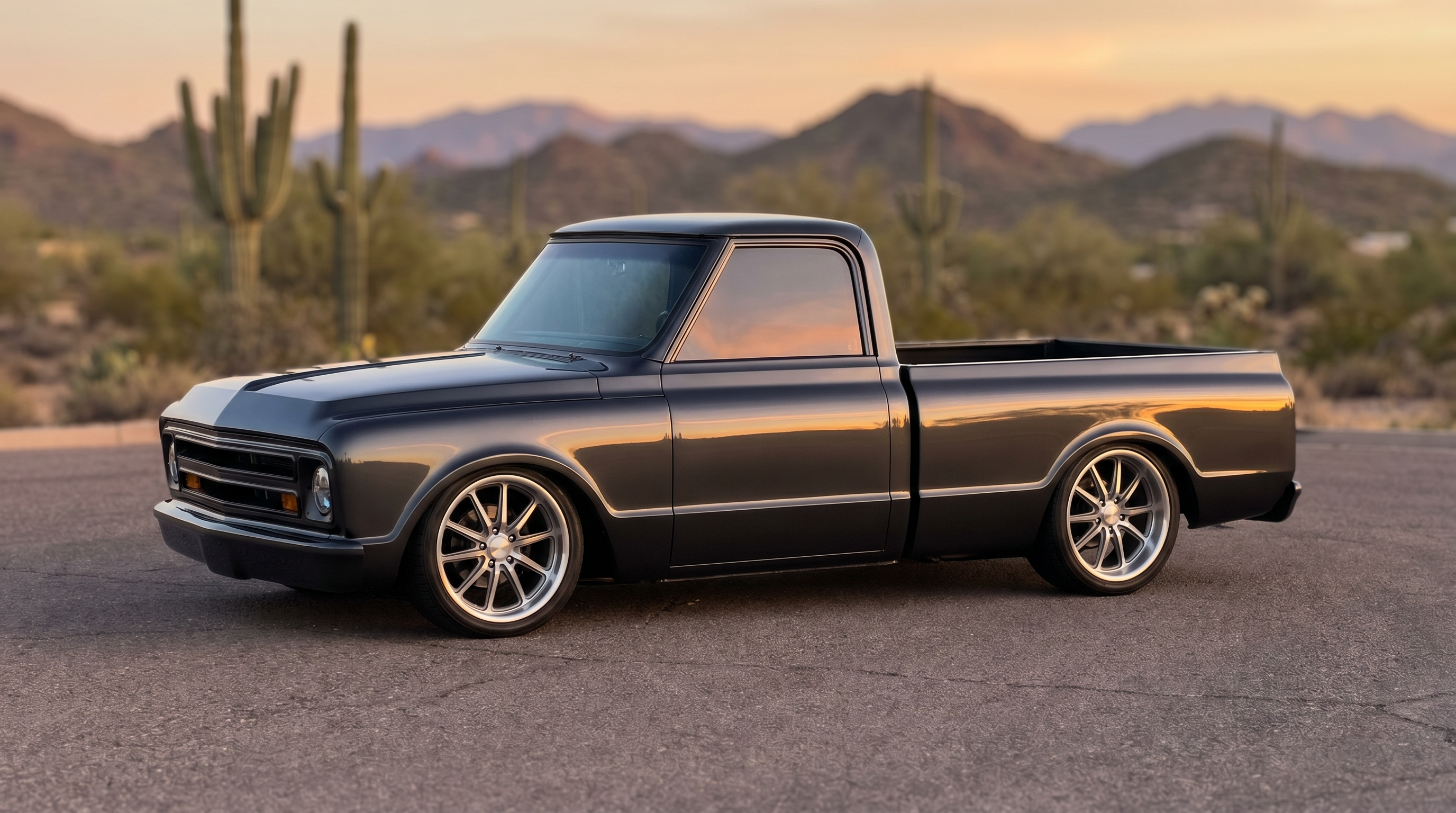
C10 vent window delete: how one-piece door glass actually works on 1967 to 1972 trucks
The vent window delete is the cleanest mod you can make to a 1967 to 1972 C10 and the easiest one to botch. Here is how one-piece door glass actually works, why most kits leak or need a hand to clo...
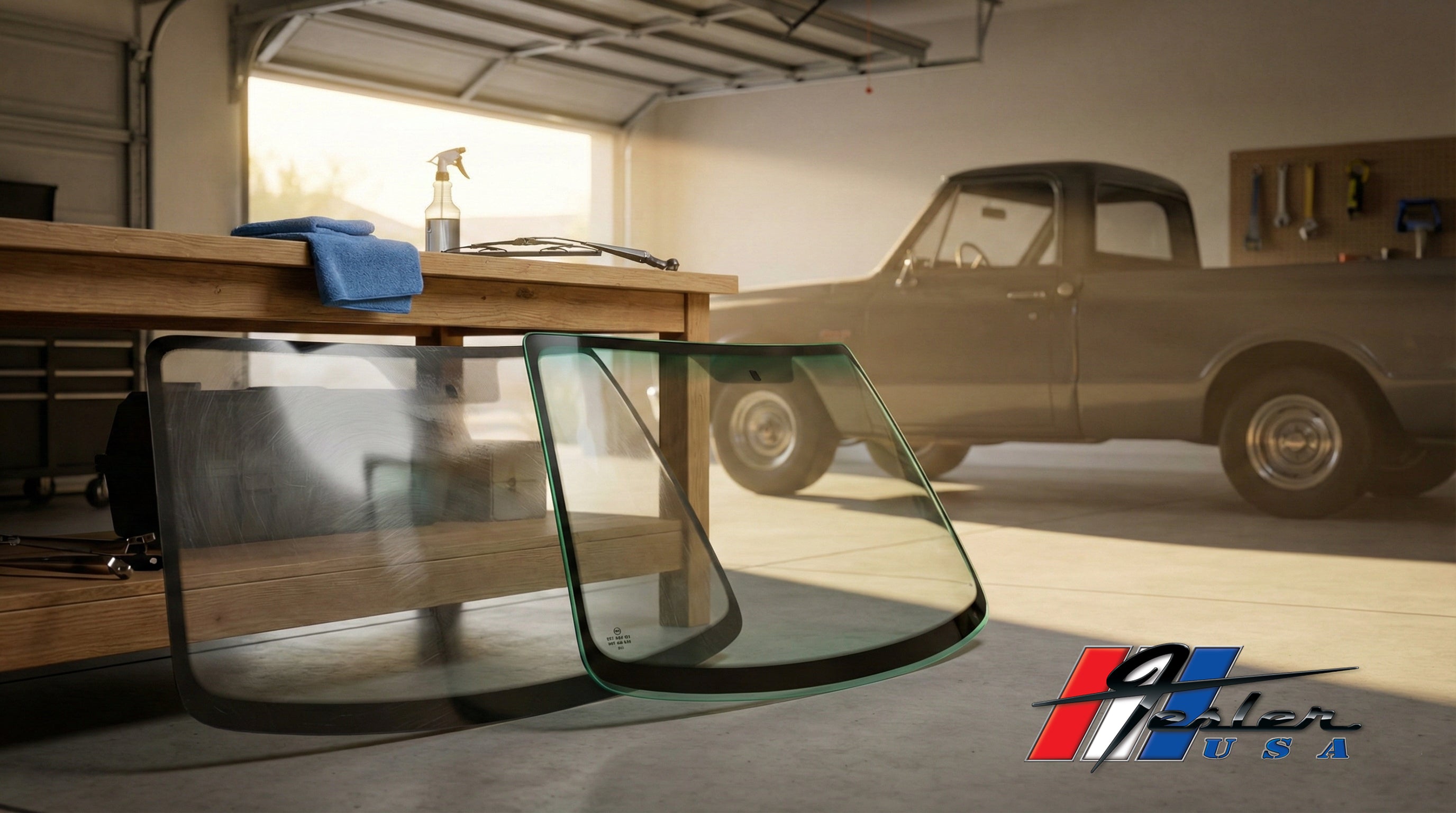
Polycarbonate Windshields vs Laminated Automotive Glass: Safety, Clarity, and Street Legality
Polycarbonate windshields can look like a shortcut until wipers, dust, sun, and real street driving show you the downside. Here is the real-world breakdown of visibility, safety, and street legalit...

Wet Carpet in Your Classic? Windshield Leak vs. Cowl Leak (Quick Tests + Real Fixes)
Wet passenger carpet is one of the most common “mystery problems” in classics. Here’s how to quickly tell if the water is coming from the windshield, the cowl, or somewhere else and how to fix it c...
Polycarbonate seems tempting for weight or cost. The facts are simple. It is plastic. It scratches and hazes. It is not DOT approved for street use and can create insurance problems. Real laminated...
Shade-Band vs. Clear on GM Classics (Blue vs Green) — What Actually Works in Phoenix Sun
Driving into Arizona sun exposes the real differences between blue/green shade-band windshields and clear glass. Here’s how to choose the right look and function—without ordering the wrong piece.
Auto Glass Part Numbers, Decoded: A Quick NAGS Cheat Sheet
Reading auto glass part numbers does not have to be confusing. Use this quick NAGS cheat sheet to understand the DW and FW prefixes, what DB or DQ means, and common tint and shade band suffixes lik...
How to Receive and Inspect Your Fesler Glass Shipment the Right Way
Ordering glass for your classic build is exciting — but shipping large, fragile parts can feel stressful. Here’s a simple checklist for receiving your Fesler glass shipment safely, avoiding hidden ...

OEM Windshields by Fesler | Factory-Correct Replacement Glass
We’re known for flush-mount glass—and we also stock and source OEM-style windshields with factory-correct fit, DOT laminated construction, and Pilkington sourcing.
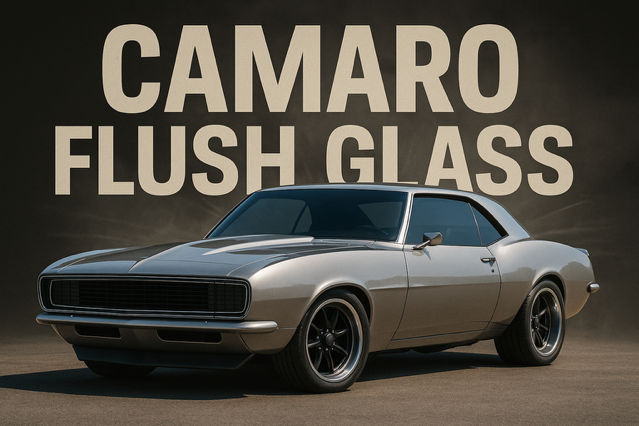
Sleeker Roofline for Your First Generation Camaro with Fesler Flush Mount Glass
Delete bulky stainless trim on your first generation Camaro with Fesler flush mount glass. See why builders love the upgrade and follow our quick install outline.