
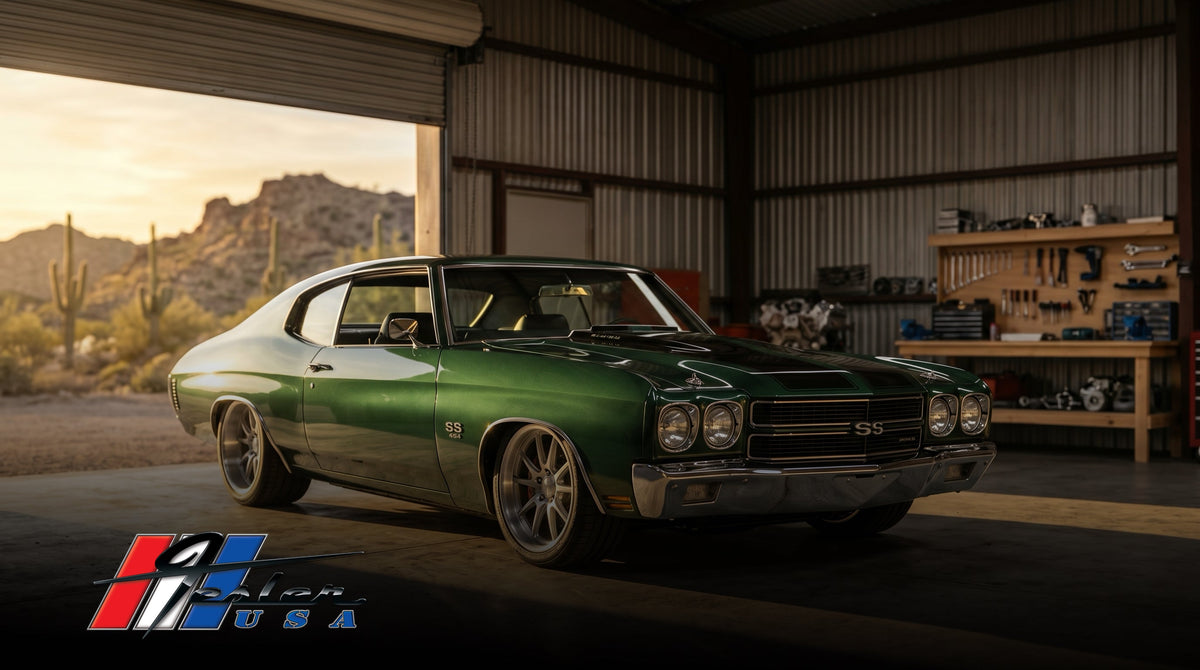
Real 1970 Chevelle LS6 or tribute: what the VIN and cowl tag will not say
Chevrolet built 4,475 Chevelles with the LS6 in 1970 and none in 1971. The VIN and cowl tag do not encode LS6, so here is what the number counts, why the 1971 car was cancelled, and which documents...
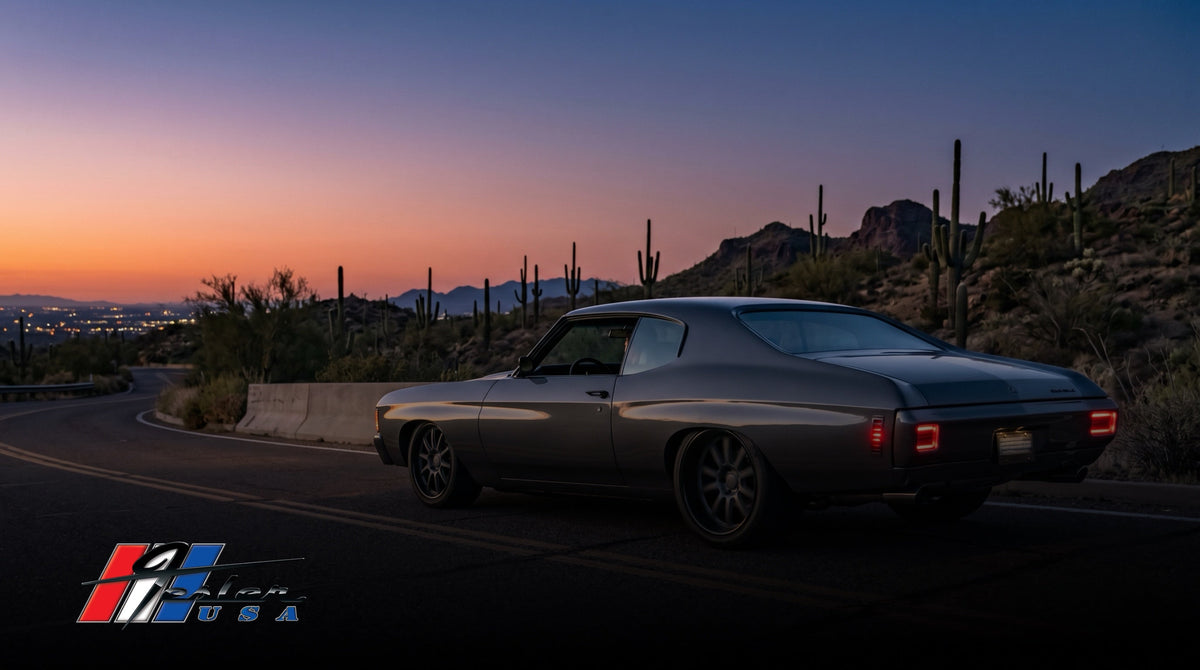
Day two muscle cars: what the term means and why pro-touring is its heir
Almost nobody left a muscle car stock in 1969. Here is what a day two car actually is, the verified history behind Cragar, Hurst, Hooker and Sun, the MCACN judging rules, how to spot period mods on...
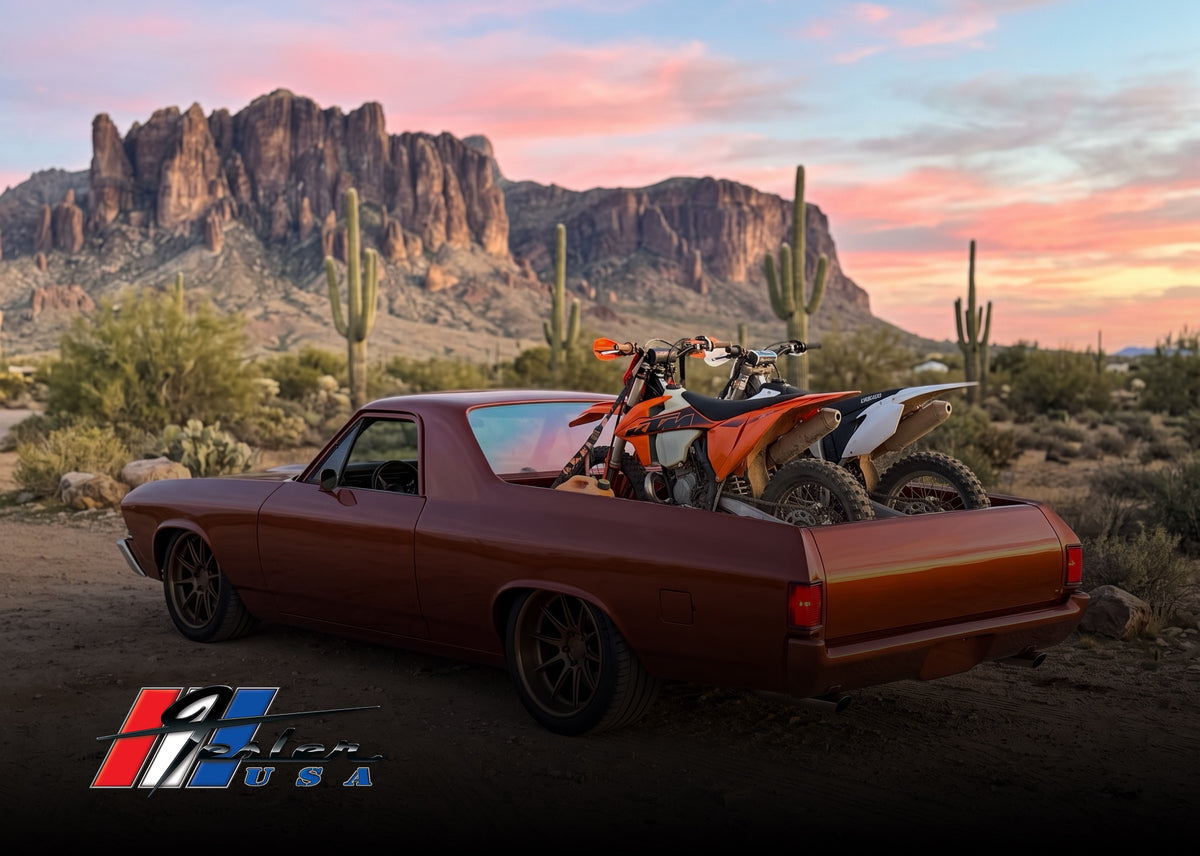
Is the El Camino a car or a truck? The 1959 to 1987 record, settled
The El Camino was engineered from a passenger car every year it was built, yet federal rules and most states classify it as a pickup. Here is the Ranchero-first timeline, the 1959 to 1987 generatio...
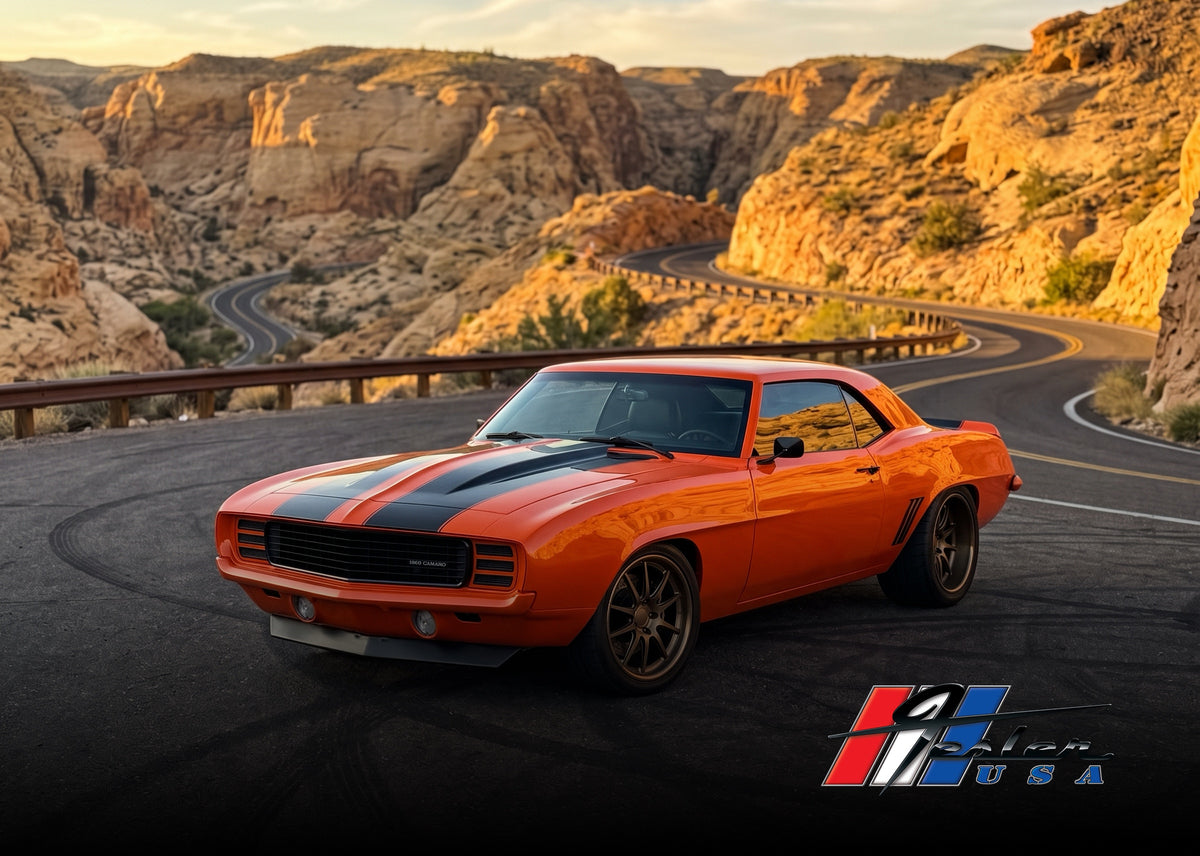
The 1967 Camaro Z/28 was built to turn, and it is the first pro-touring car
In 1967 Chevrolet built 602 Camaros with the smallest V8, mandatory disc brakes, and a road-course suspension, and hid it behind order code Z28. The verified story of Vince Piggins, the 302, Penske...
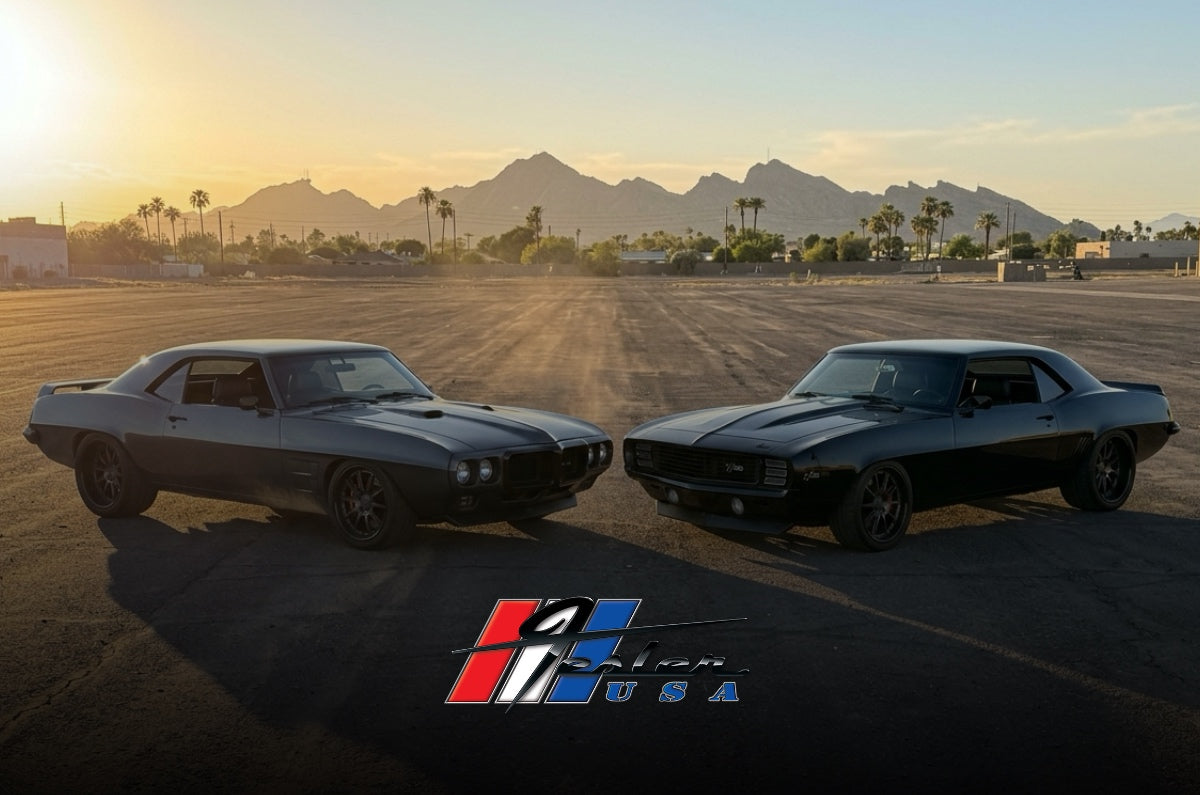
Is the Firebird just a rebadged Camaro? The four inches that prove it is not
Everyone says a Firebird is a Camaro with a different nose. The panel list, the four inch length difference, the engine story, and the rear suspension say otherwise. What is really shared, what is ...
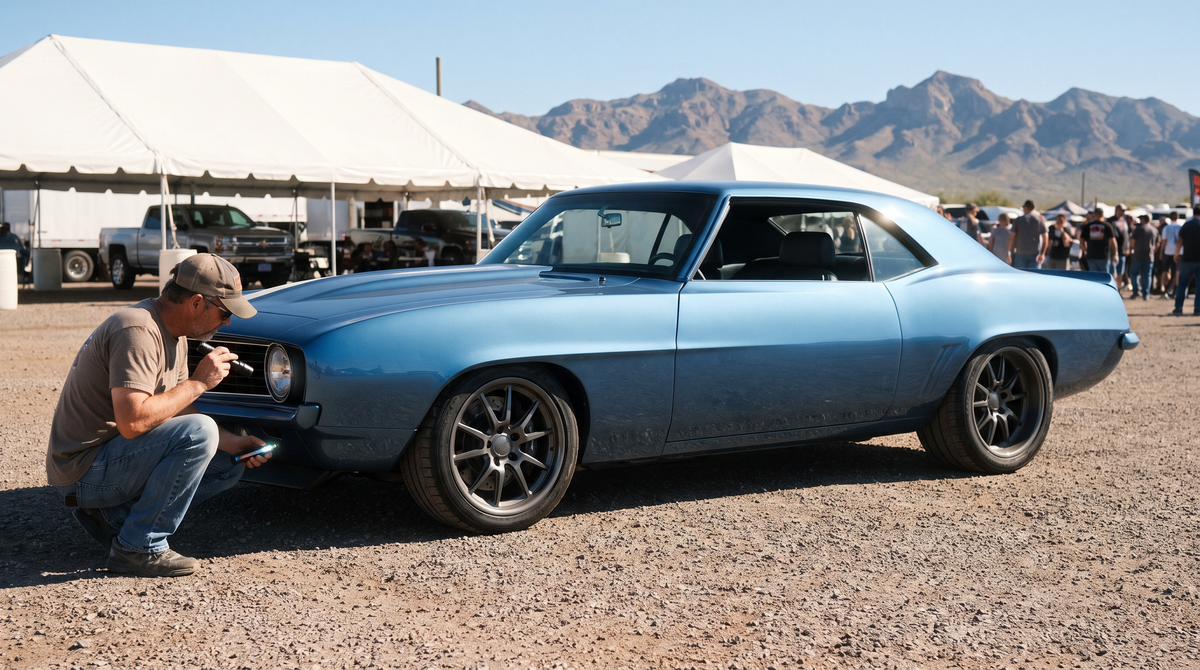
How to inspect a restomod before buying at Barrett-Jackson
A practical checklist for how to inspect a restomod before buying at Barrett-Jackson Scottsdale: paperwork, glass, body, interior, drivetrain and chassis, plus what to know before you register to bid.
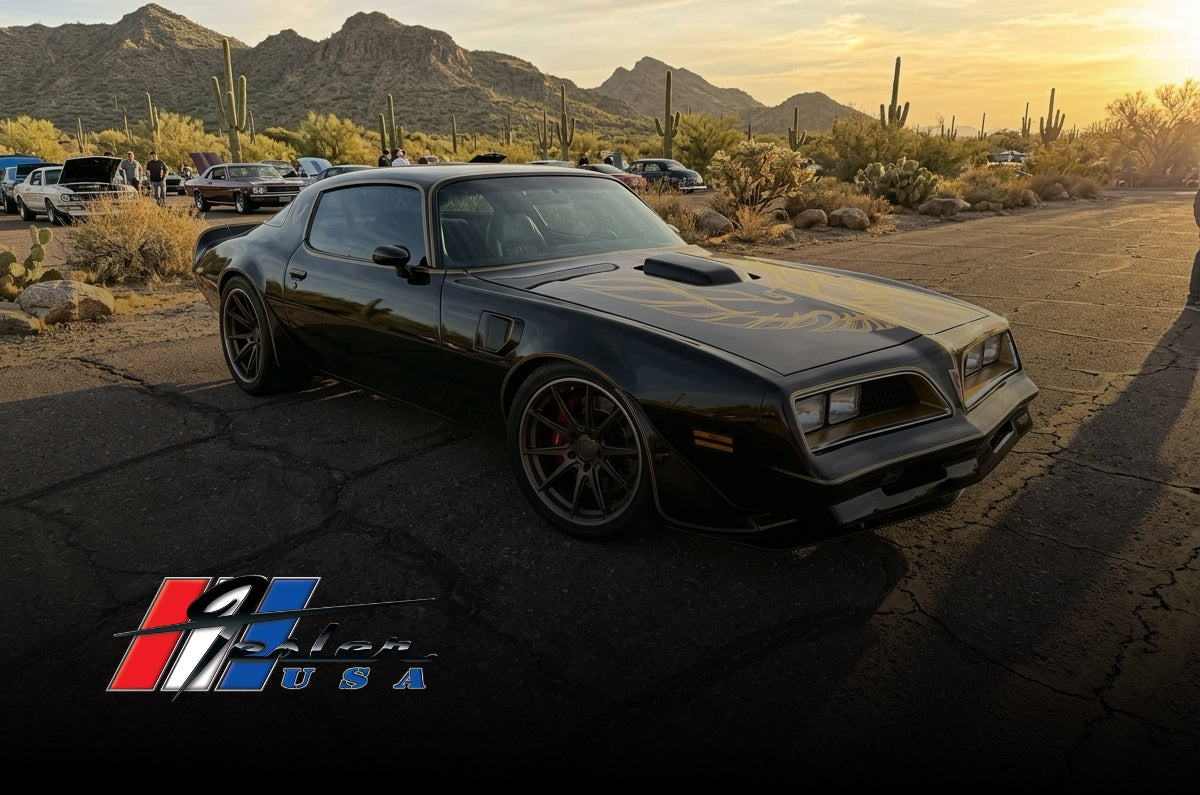
The 1969 Trans Am: 697 cars nobody wanted, and how the flop outlasted muscle
Pontiac built 697 Trans Ams in 1969 and struggled to sell them. Ten years later it built 117,108 in one year. The verified story of the WS4 package, the borrowed SCCA name, the 400 that could not r...
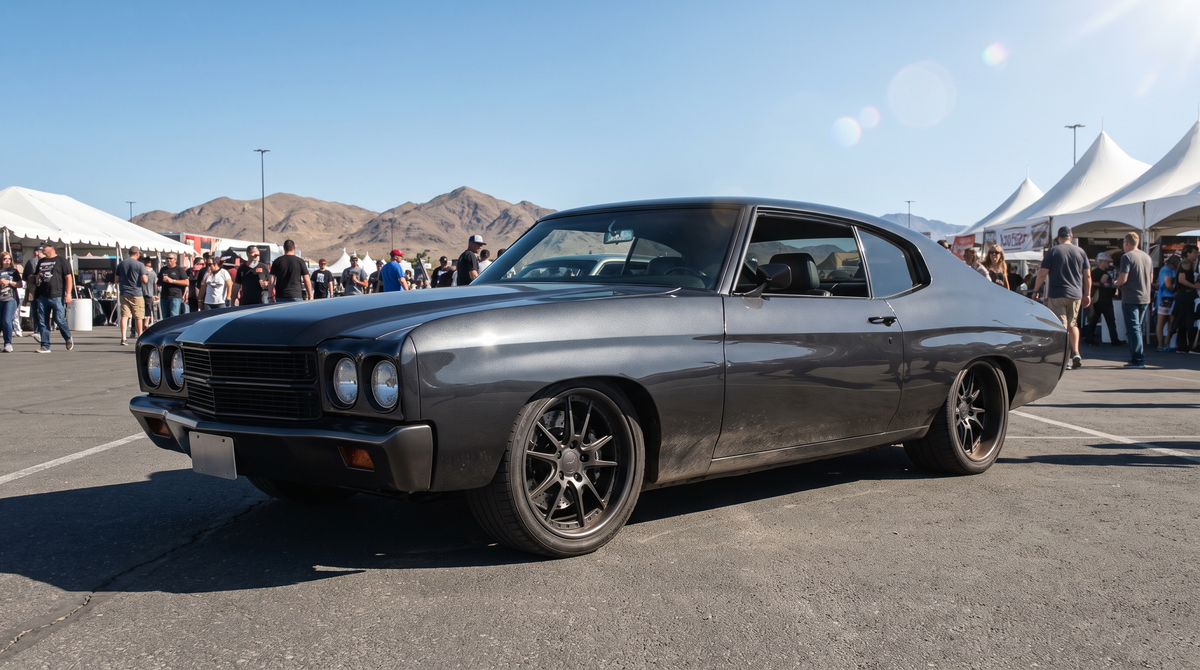
SEMA Show 2026 guide: dates, SEMA Fest public day, and what builders should watch
SEMA Show 2026 runs November 3 to 6 in Las Vegas, and the public gets in on Friday, November 6 only. Here are the official dates, hours, ticket options and pickup rules, plus what builders should l...

The 1969 Nova SS 396 was never grandma's car, and the numbers prove it
The Nova gets dismissed as basic transportation. In 1969, 5,262 buyers ordered the 375 hp L78 396 in a body 500 pounds lighter than a Chevelle. Here is the real record on the SS 396, COPO 9738, and...
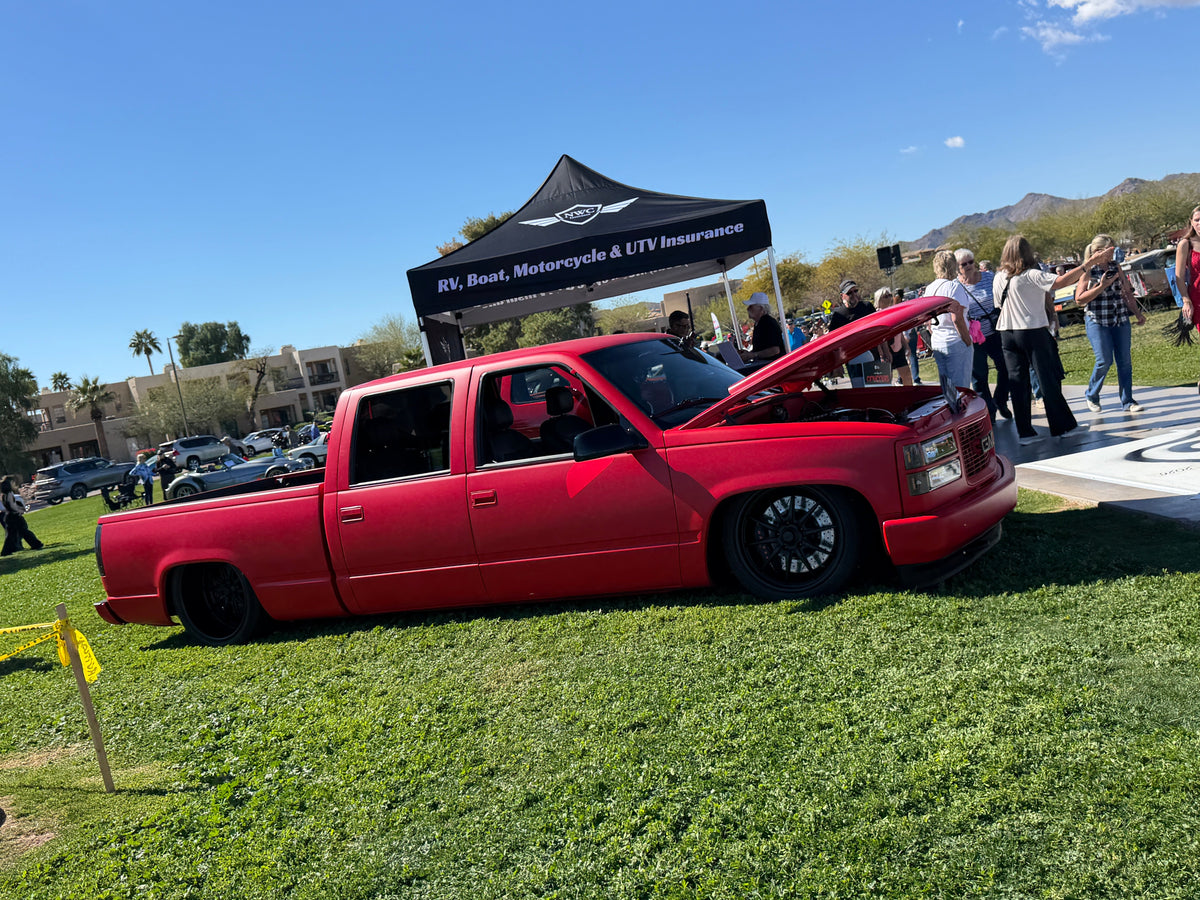
Dino's Git Down 2026: dates, hours, raffle and where to find Fesler
Dino's Git Down 2026 runs November 13 and 14 at State Farm Stadium in Glendale. Here are the official hours, vehicle rules, raffle details and what to bring, plus how to find the Fesler booth and o...
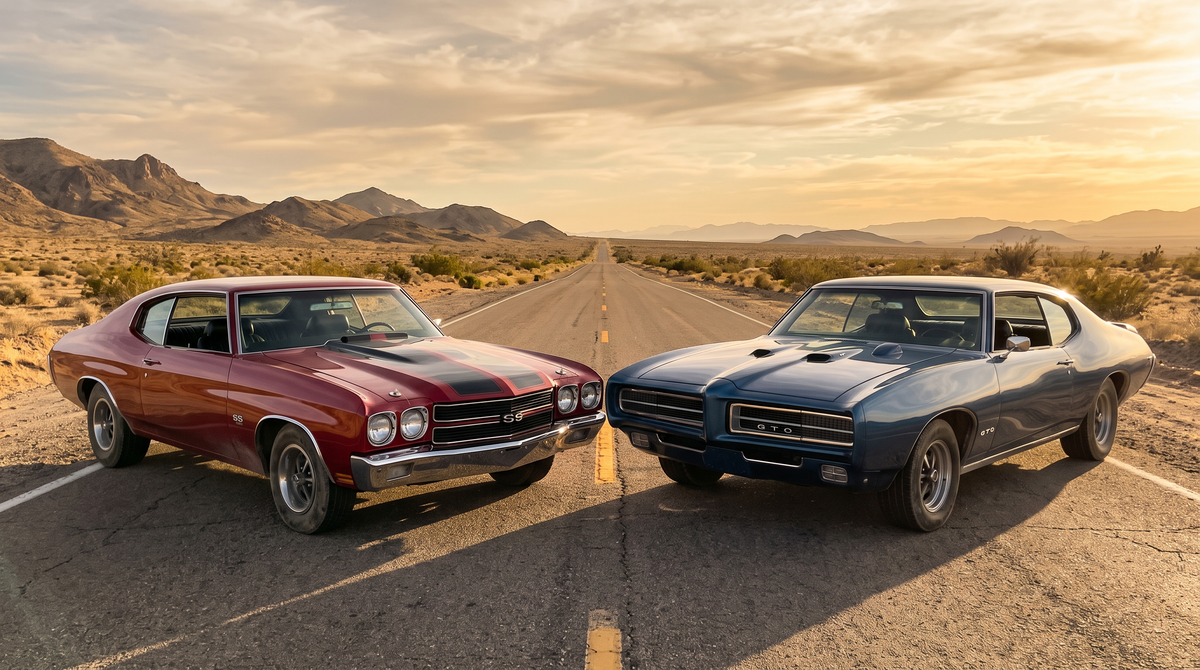
Chevelle SS vs GTO: the GTO started the war, but it did not win it
The GTO started the muscle car era in 1964, but the story that the Chevelle SS just copied it does not survive the production numbers. Year by year sales, the 1965 Z16, and the 450 hp LS6 settle th...
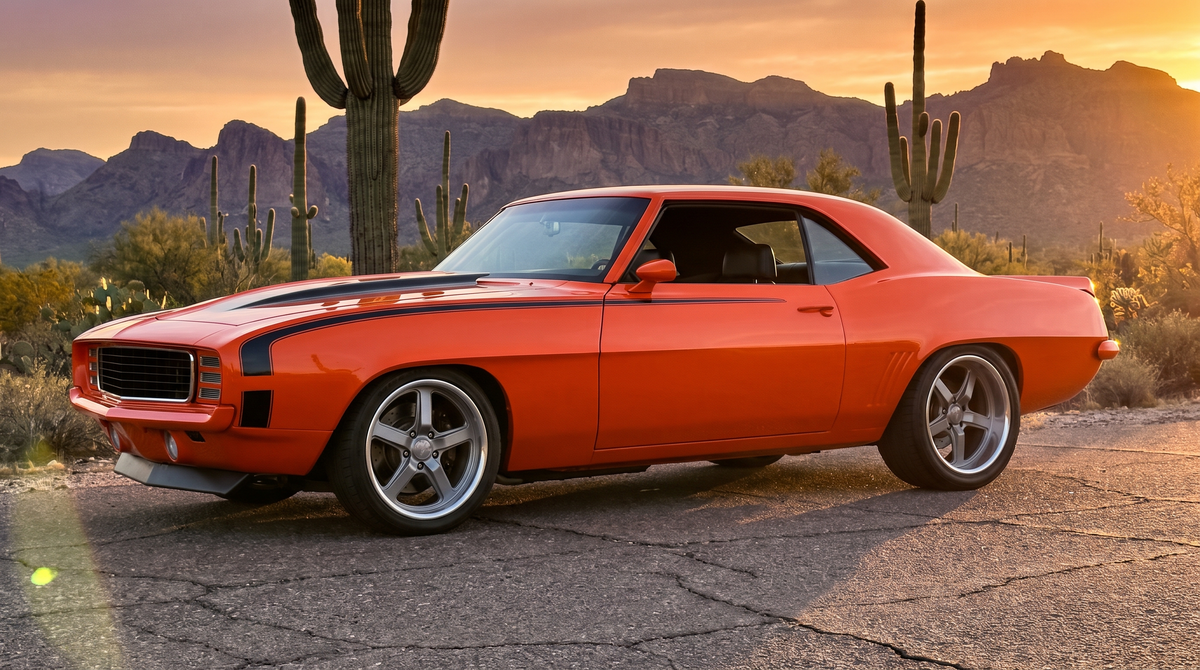
Hugger Orange code 72: how to prove it on your own trim tag
Hugger Orange was code 72 on the 1969 Camaro and code 990 Monaco Orange on the 1969 Corvette, the same PPG 2084 paint under two names. Where the name came from, the Carousel Red argument, and how t...
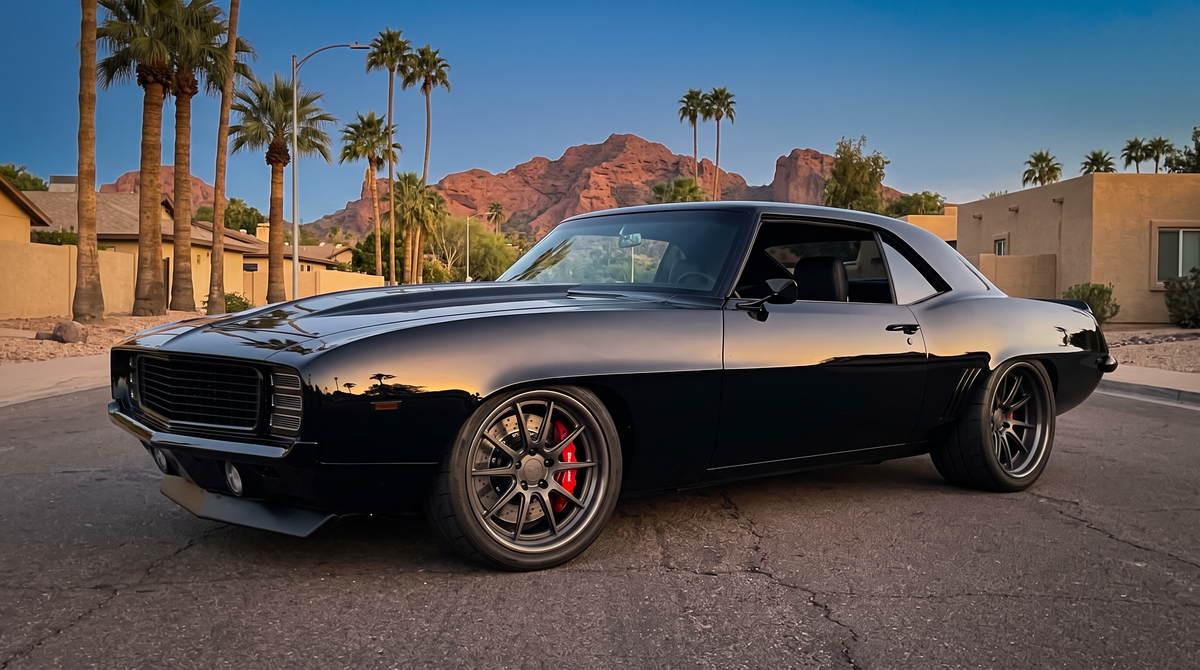
Why the 1969 Camaro model year ran 16 months and the 1970 1/2 never existed
Broken quarter panel dies at Fisher Body, not a strike, kept the 1969 Camaro in production until November 1969 and pushed the second gen to February 1970. Why 1969 is the longest Camaro model year ...
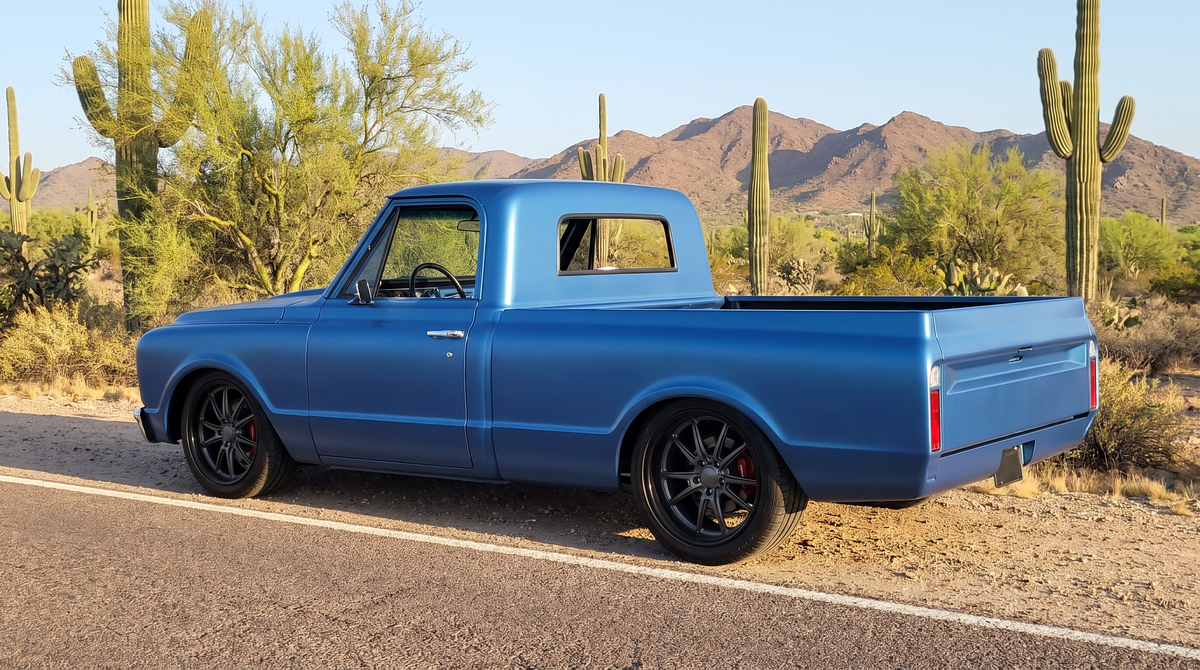
1967 C10 small back window: the one-year tell that dates a truck on sight
A small rear window on a 1967-72 Chevy or GMC light truck means one thing: it is a 1967. Why the small window was standard, not optional, why the test only works one way, and which other 1967 tells...
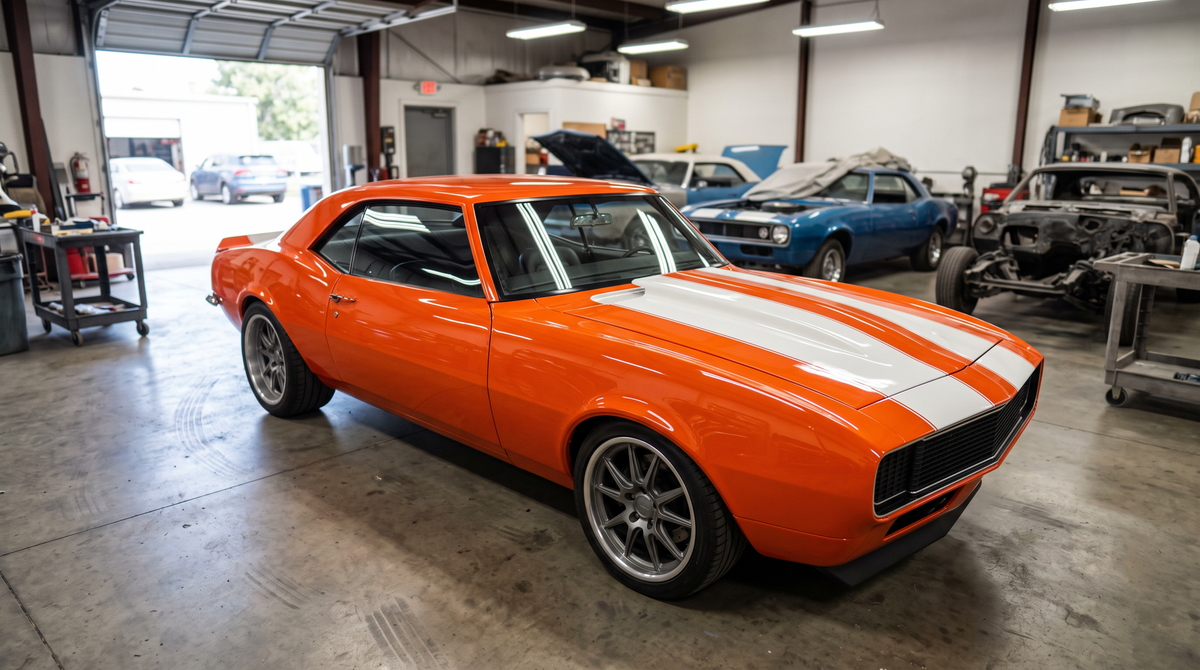
1967 vs 1968 vs 1969 Camaro: What Actually Interchanges
First-gen Camaros look interchangeable and are not. Glass and kick panels carry all three years, door panels and power window kits split at 1967, and the dash and A-pillars are 1969-only. Here is t...

The Recirculation Button: Why Long Drives Make You Sleepy, and Why Your Restomod Has It Worse
The recirculation button seals your cabin and CO2 climbs. Here is what the research actually measured, what it does not prove, and why a finished restomod with flush-mount glass and aftermarket A/C...

How Fesler Builds Custom Seats by Hand in Phoenix: Bench, 60/40, 50/50, Bucket and Rear Seats
Fesler fabricates the steel frame, cuts and shapes the foam, and wraps the cover for every custom seat in its Phoenix, Arizona shop. Bench seats, 60/40 and 50/50 splits, bucket seats and matching r...
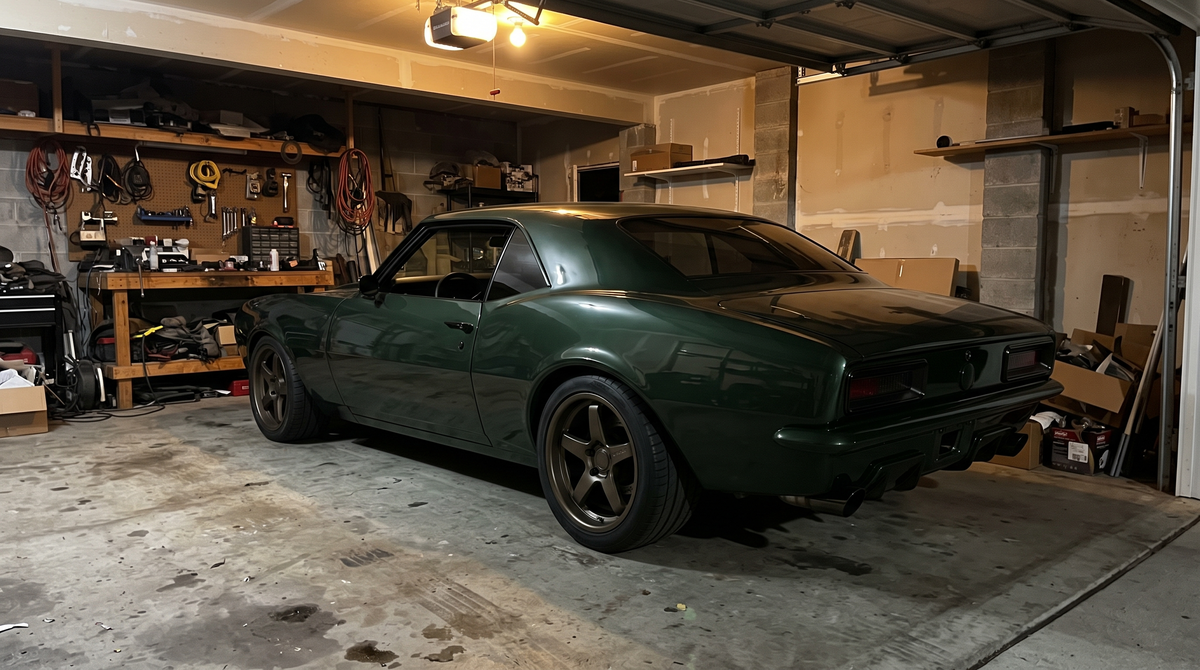
How to Put Real Speakers in a Classic Without Cutting the Sheet Metal
Classic cars were built for one paper speaker in the dash. Getting real sound out of one without hacking up original sheet metal comes down to using fiberglass panels with speaker fitment already m...
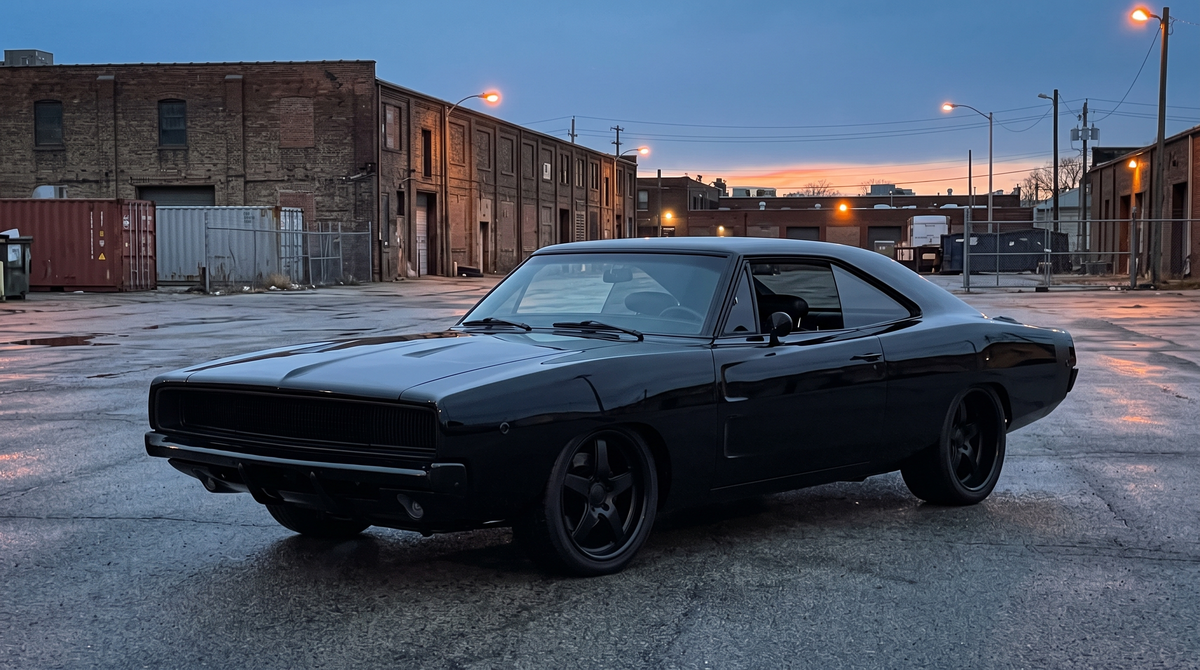
The 1968-1970 Dodge Charger Restomod Guide: What to Build and What to Leave Alone
The second-generation Charger is the best-looking American car of the era and one of the least well-served by the aftermarket. Here is what changed between 1968, 1969, and 1970, which cars you shou...
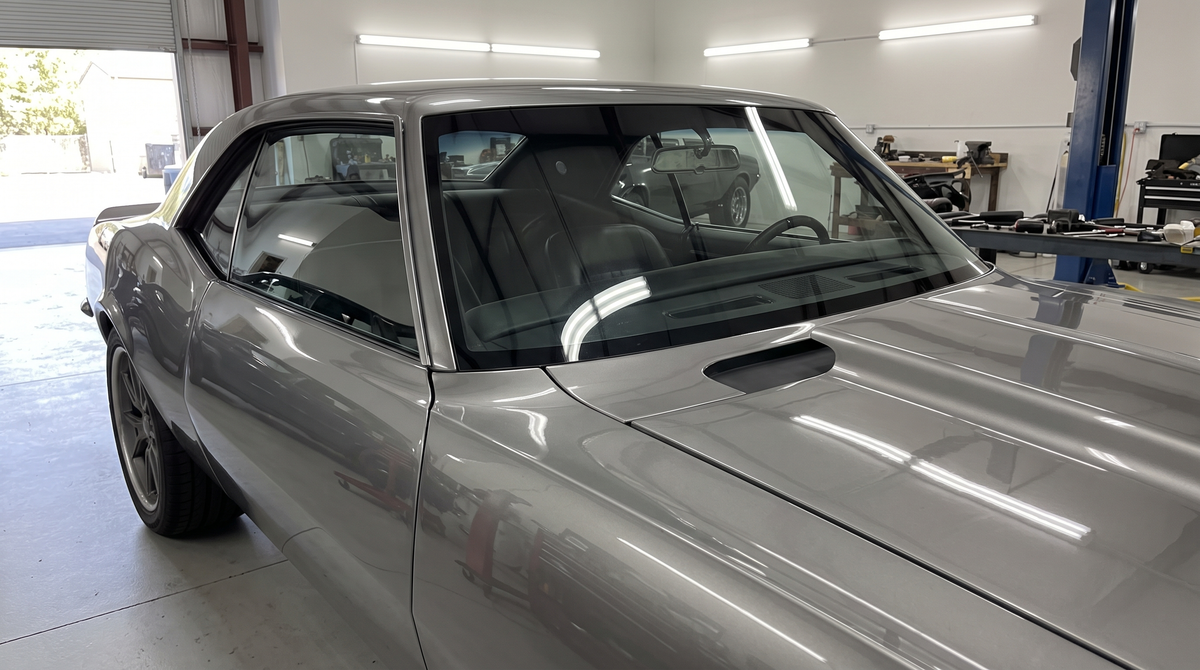
Dash Overlay vs. Full Dash Restoration: Which One Your Build Actually Needs
A cracked dash pad has three fixes: a drop-in fiberglass overlay, a gauge-area insert, or a full strip-and-restore. Here is what each one actually costs, what it hides, what it does not, and how to...
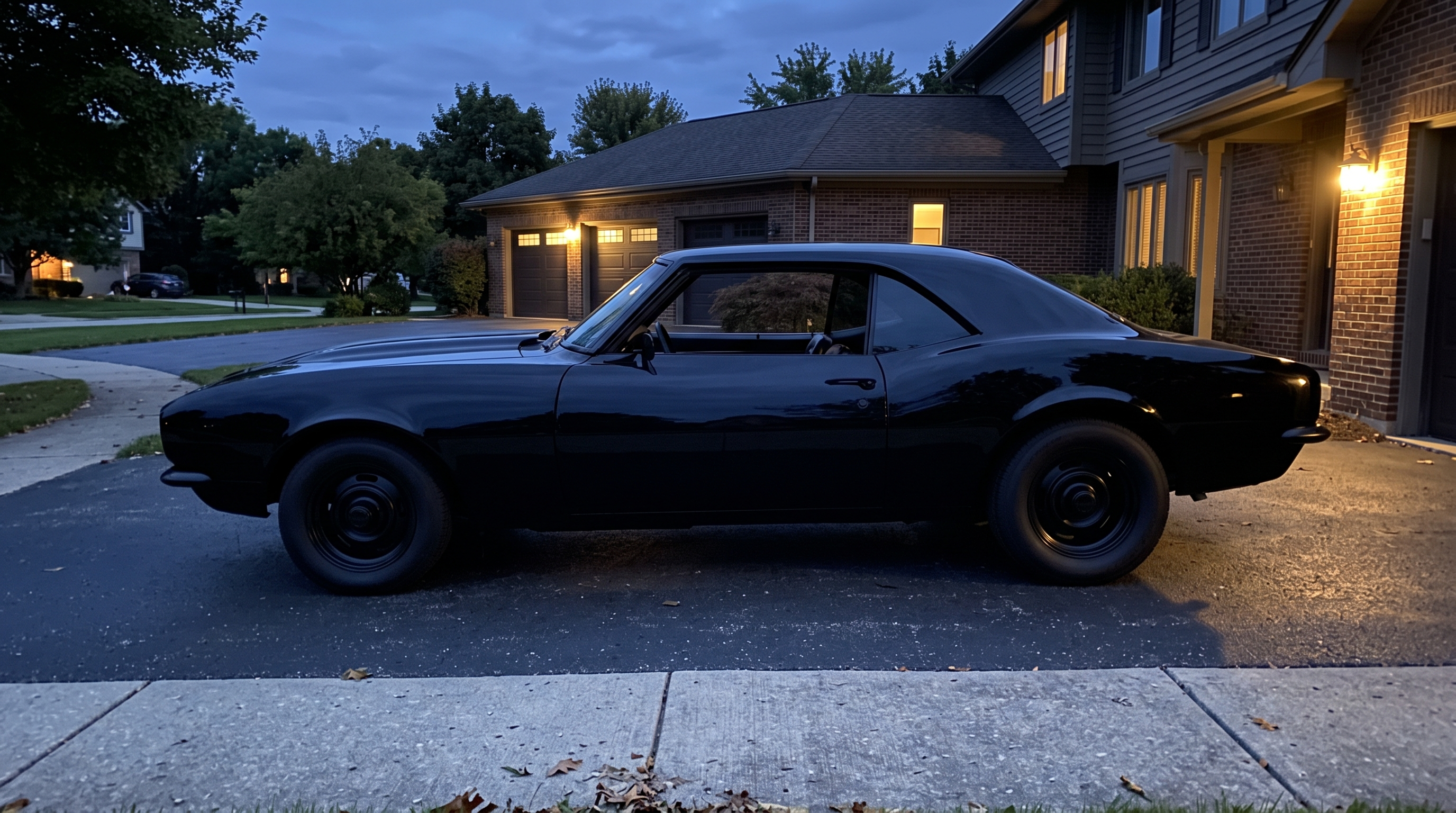
Power Windows in a Classic: What It Takes, What It Costs, and the Mistake That Doubles the Bill
A complete four-window power window conversion runs about $580 to $1,300 depending on the platform. Here is what belongs in a real kit, where the switches should go, what goes wrong on the install,...
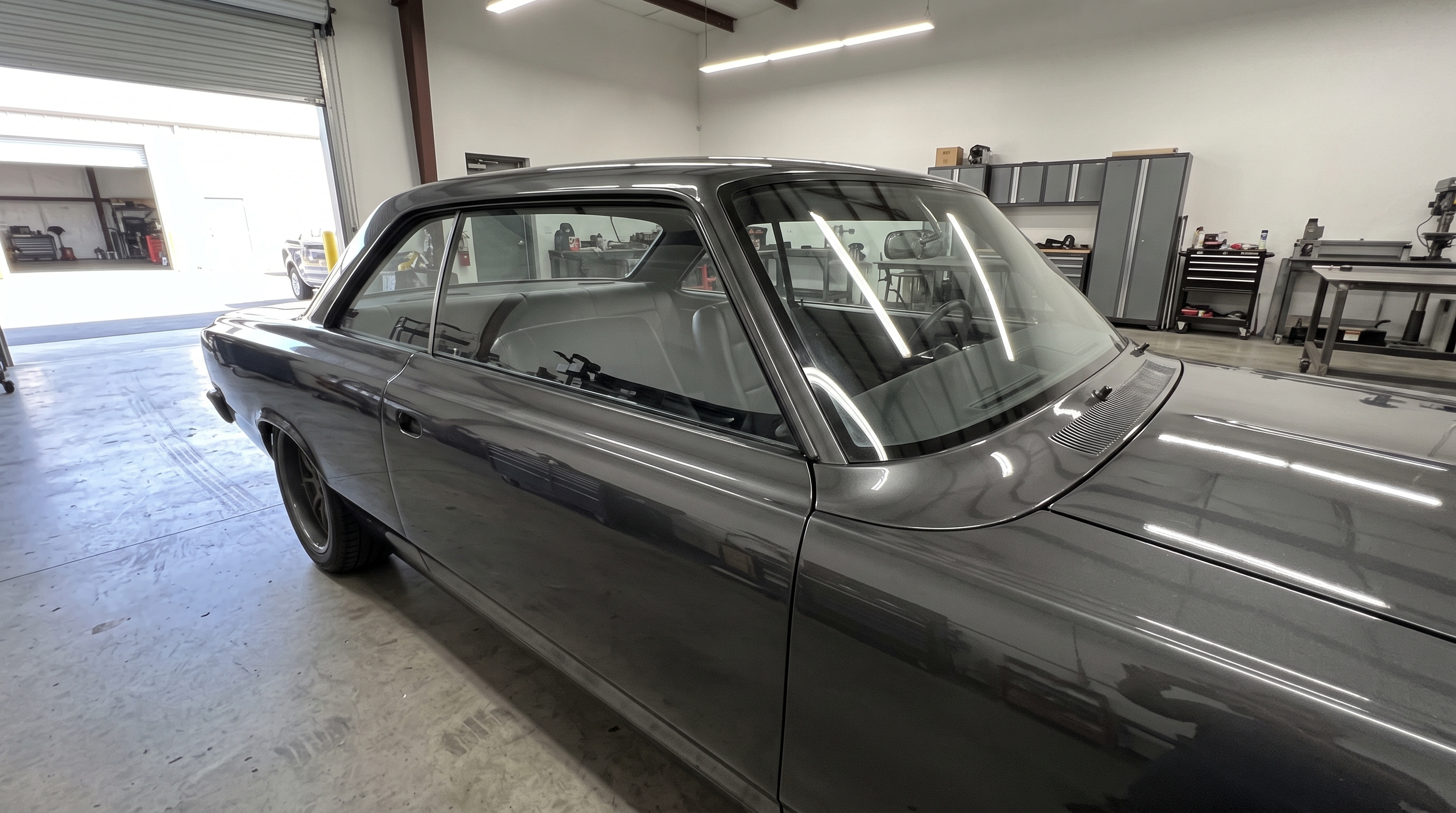
Why Fiberglass Door Panels Are Worth It, and What Cheap Door Panels Actually Cost You
Hand-laid fiberglass door panels cost more than ABS or hardboard reproductions. Here is the honest breakdown of what you actually get: less road noise, no warping in summer heat, a rigid speaker ba...

The Pro-Touring Steering Wheel Guide: Choosing the Right Wheel for Your Build
The steering wheel is the one part of your build you touch every second you drive. Here is how to choose diameter, dish, grip, and style, plus a look at the Sparc Industries billet wheels we carry.
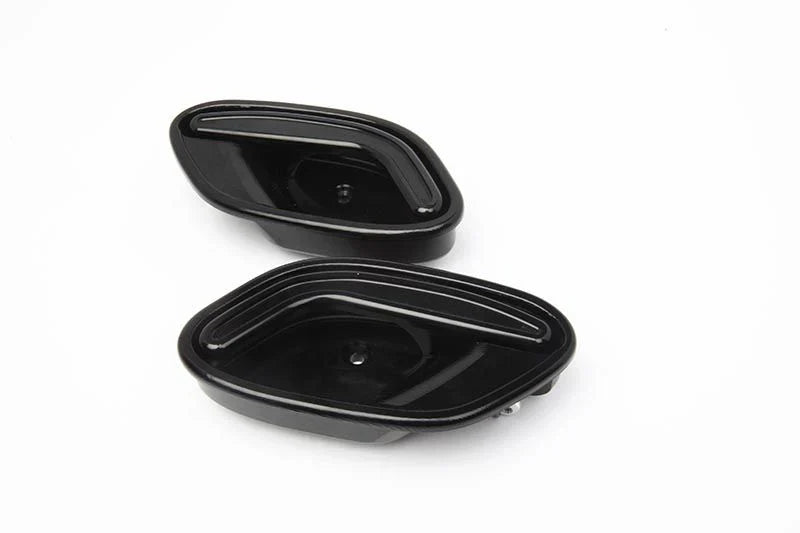
Less is the upgrade: the Fesler approach to a clean, clutter-free classic
The best builds look calm because of everything that was taken away. Inside the Fesler approach to a clutter-free classic: flush glass that deletes the trim ring, the vent-window delete and the C10...