
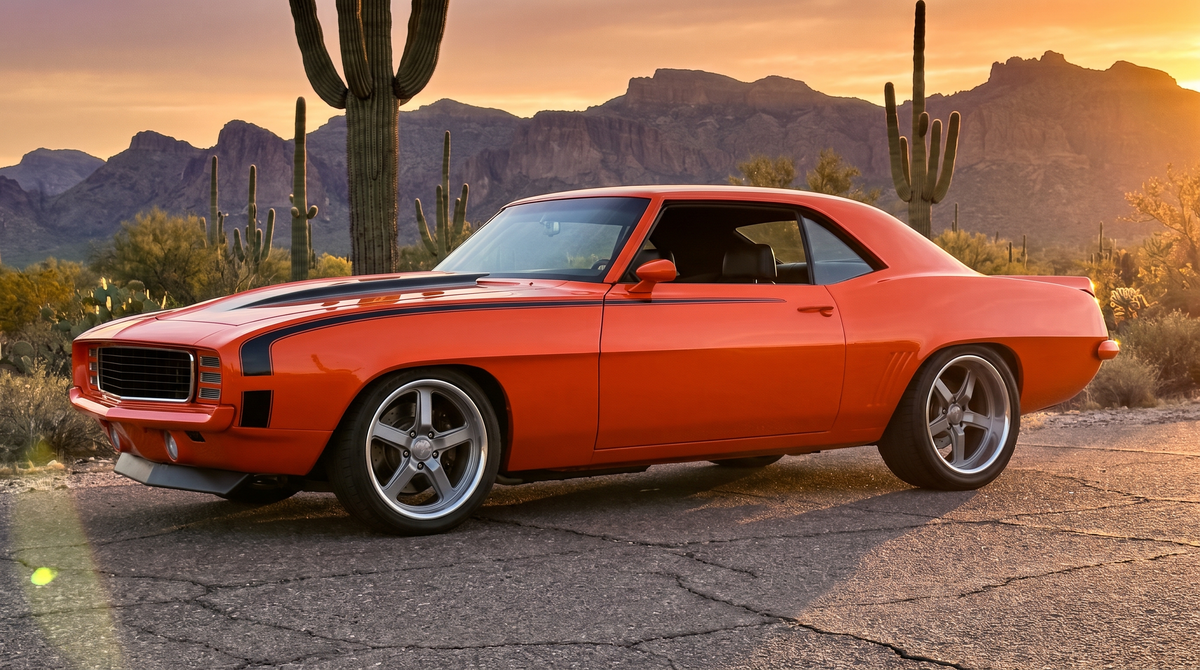
Hugger Orange code 72: how to prove it on your own trim tag
Hugger Orange was code 72 on the 1969 Camaro and code 990 Monaco Orange on the 1969 Corvette, the same PPG 2084 paint under two names. Where the name came from, the Carousel Red argument, and how t...
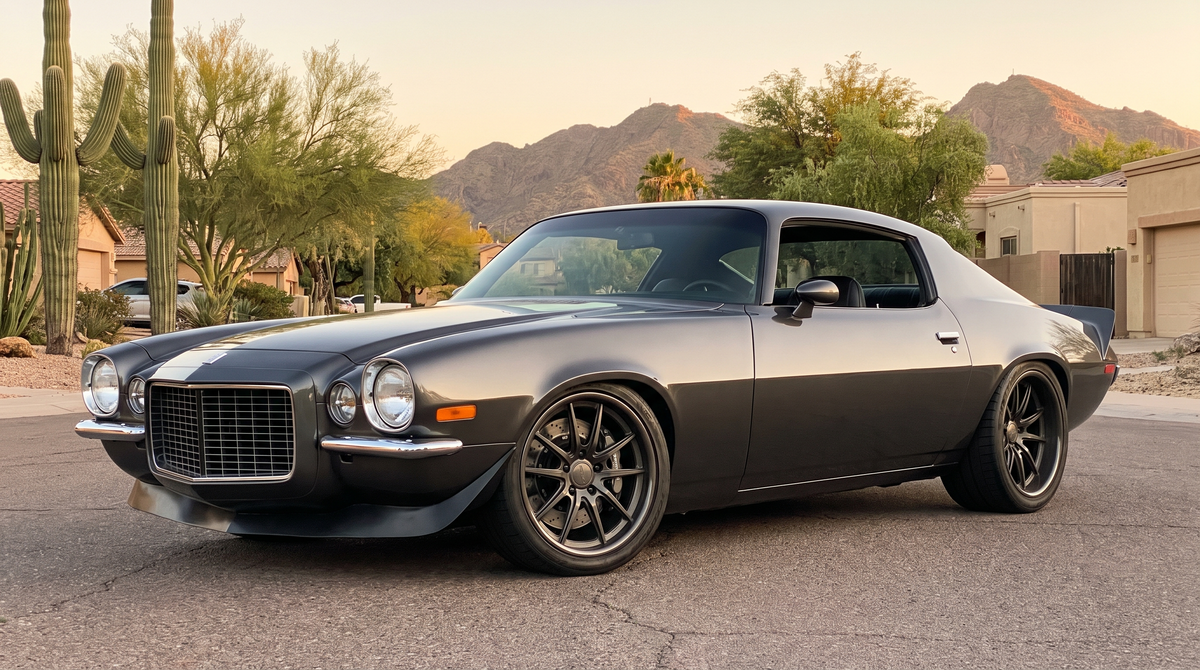
The 1970 to 72 Chevy 396 was really a 402: how to tell what you have
For 1970 Chevrolet bored the 396 out to about 402 cubic inches and, in the Camaro, left the 396 badge alone through 1972. Here is which cars really kept the badge, why nobody knows the reason, and ...

How Fesler Builds Custom Seats by Hand in Phoenix: Bench, 60/40, 50/50, Bucket and Rear Seats
Fesler fabricates the steel frame, cuts and shapes the foam, and wraps the cover for every custom seat in its Phoenix, Arizona shop. Bench seats, 60/40 and 50/50 splits, bucket seats and matching r...
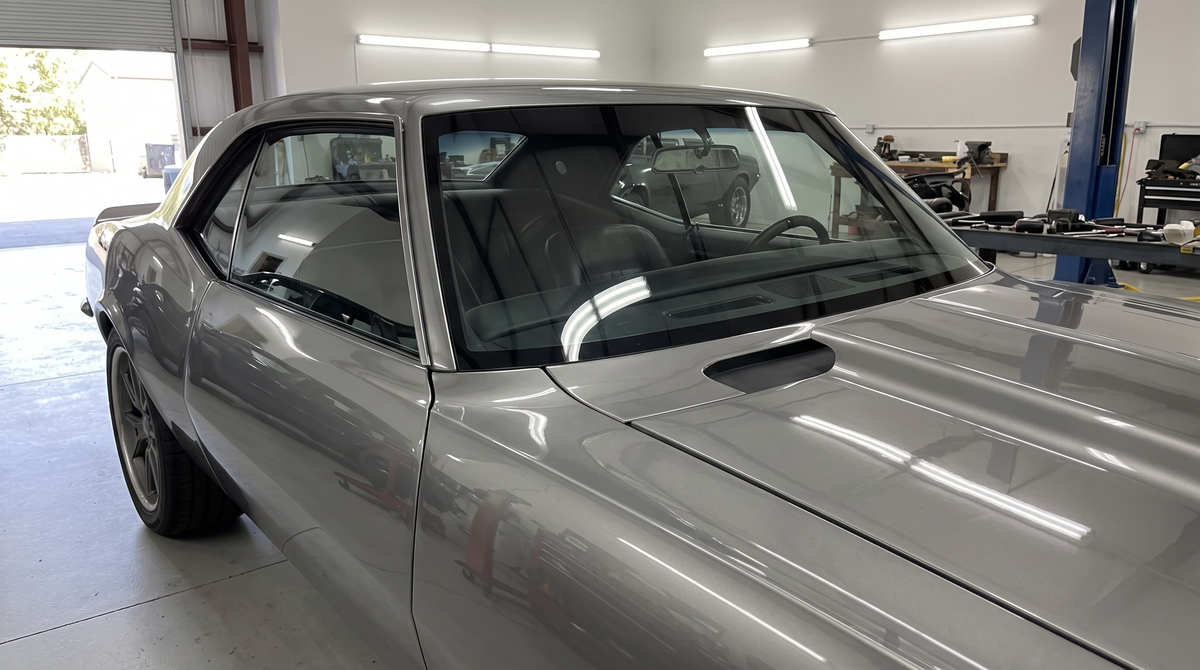
Dash Overlay vs. Full Dash Restoration: Which One Your Build Actually Needs
A cracked dash pad has three fixes: a drop-in fiberglass overlay, a gauge-area insert, or a full strip-and-restore. Here is what each one actually costs, what it hides, what it does not, and how to...
Power Windows in a Classic: What It Takes, What It Costs, and the Mistake That Doubles the Bill
A complete four-window power window conversion runs about $580 to $1,300 depending on the platform. Here is what belongs in a real kit, where the switches should go, what goes wrong on the install,...
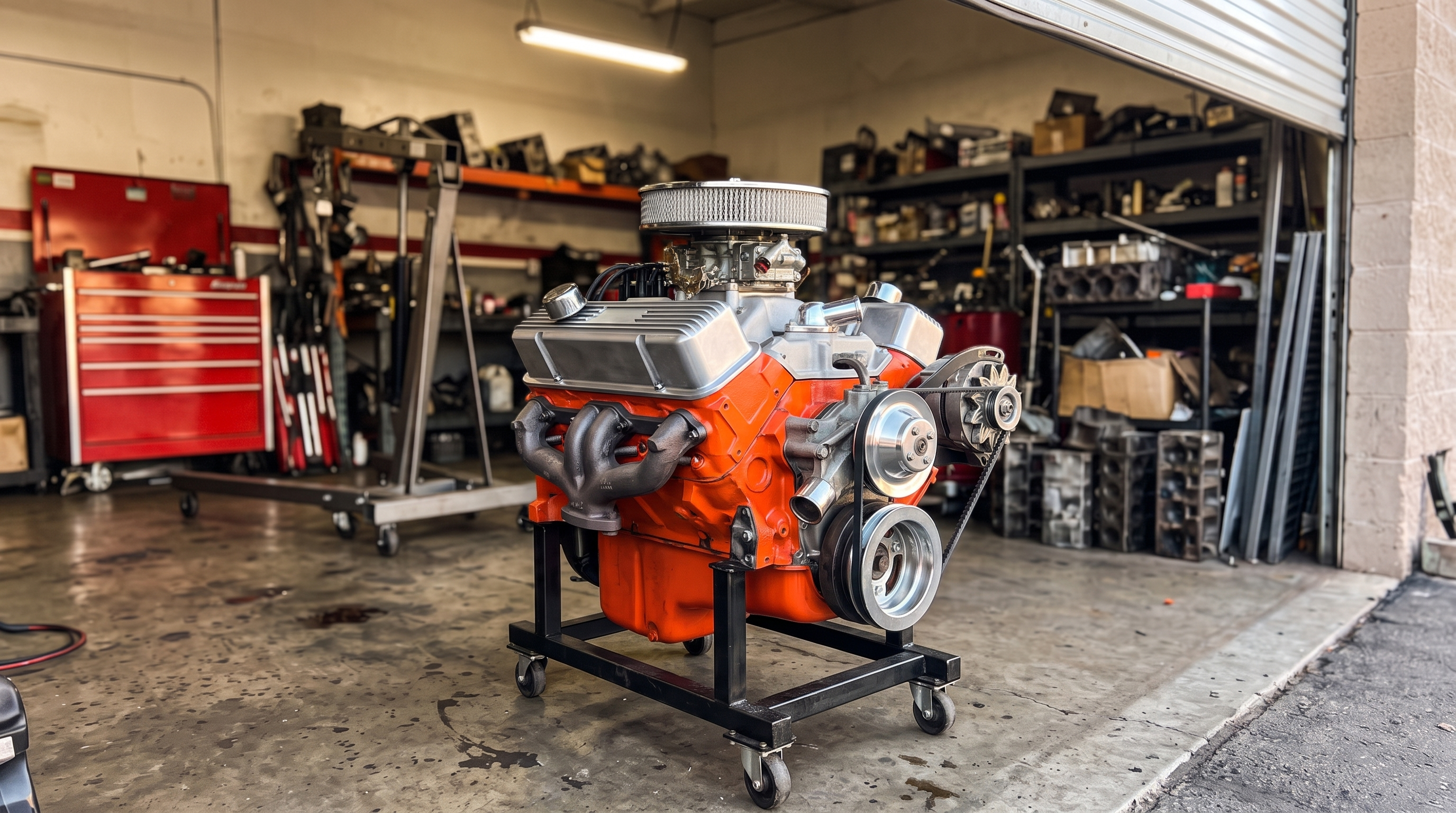
The Chevrolet 427 Big Block: Every Version, and How to Identify One
Between 1966 and 1969 Chevrolet sold six meaningfully different 427 cubic inch big blocks, and the gap between the cheapest and the most valuable is now roughly two and a half million dollars. Ever...
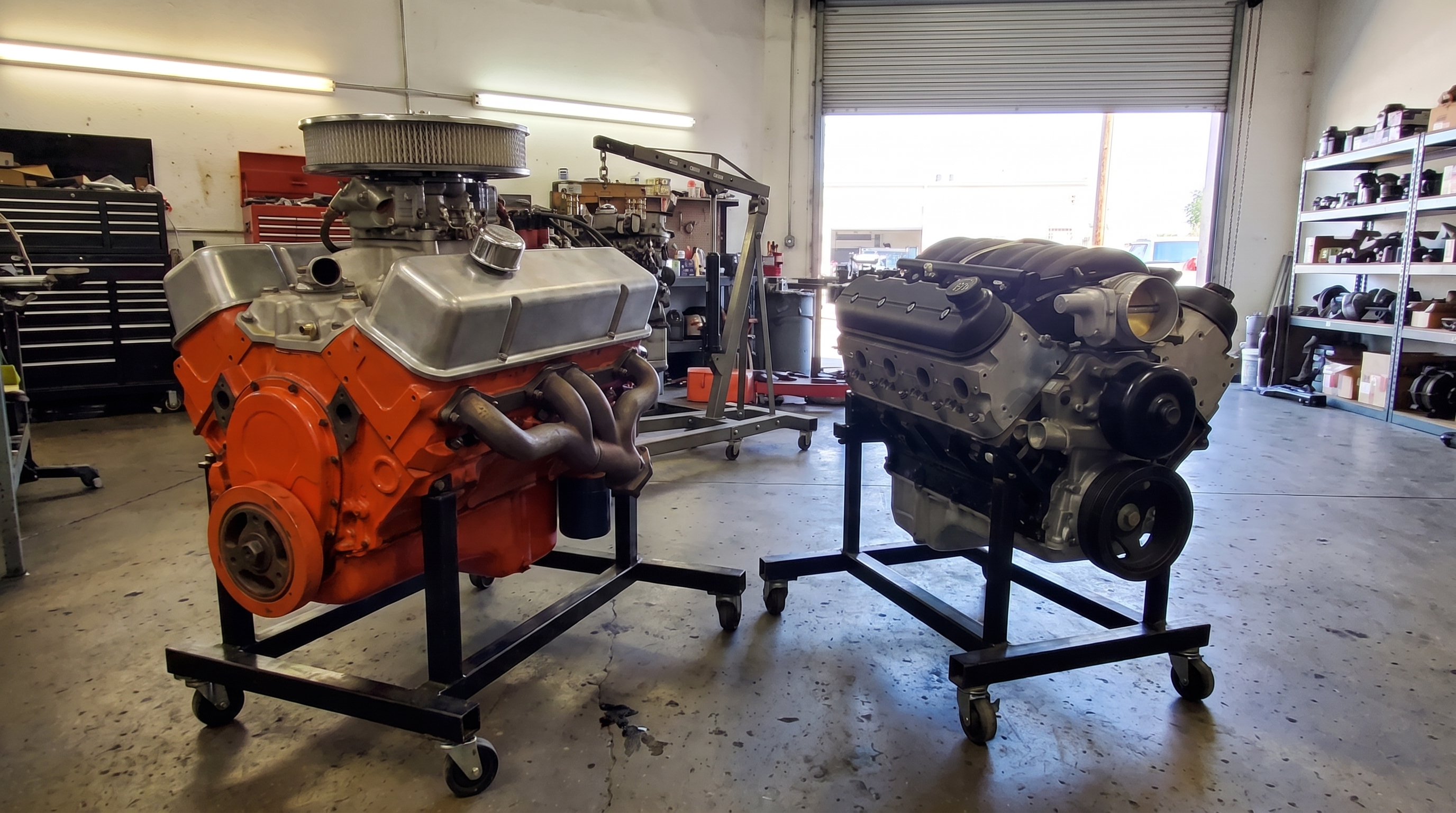
Chevy 454 vs. LSX454: The Same 454 Cubic Inches, 56 Years Apart
The original Mark IV 454 was rated 450 horsepower on a scale that no longer exists. Chevrolet Performance will sell you a 454 today that makes 627 and bolts up like an LS. Same number, same displac...
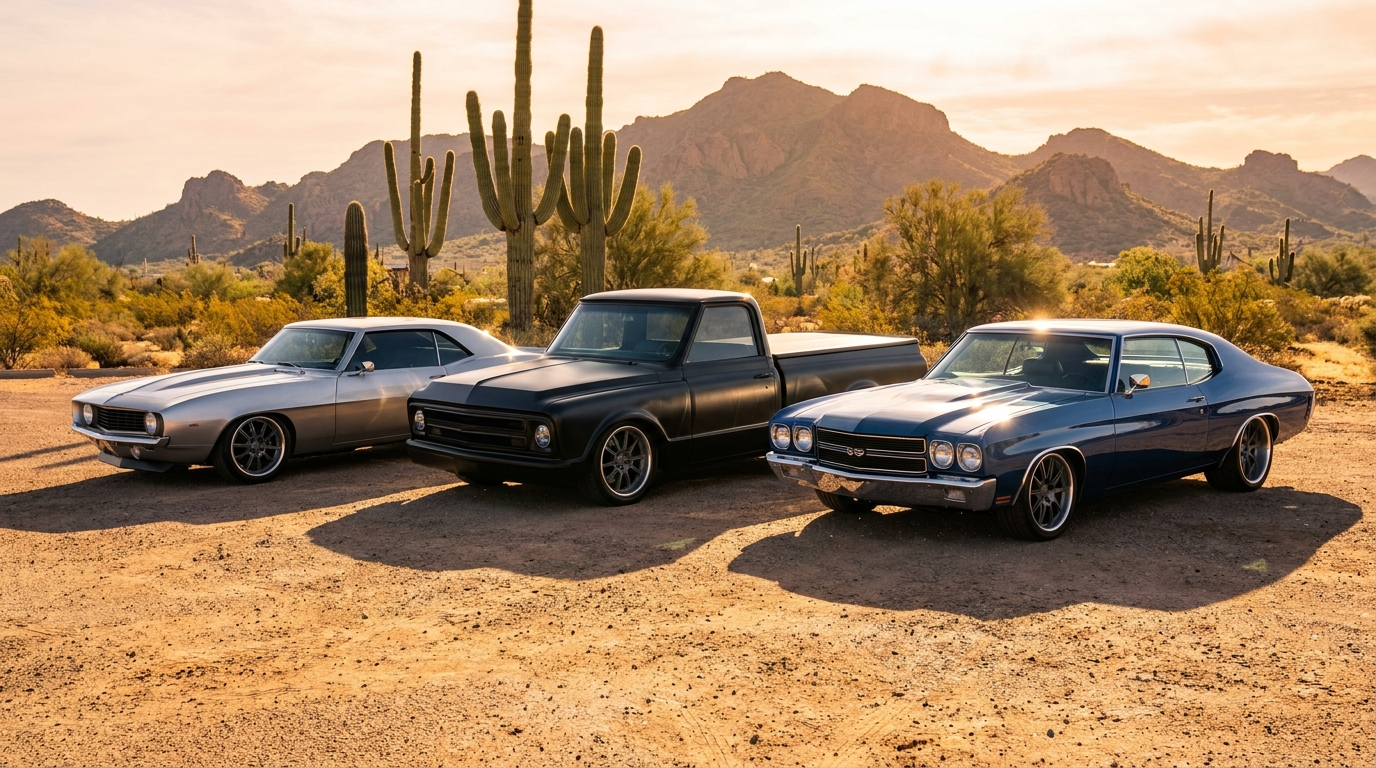
The Best Pro-Touring Platforms for 2026, Ranked by the People Who Build Them
Eight platforms ranked for aftermarket depth, buy-in cost, build difficulty, and finished value. A working shop's honest 2026 list, from the C10 to the sleeper picks.
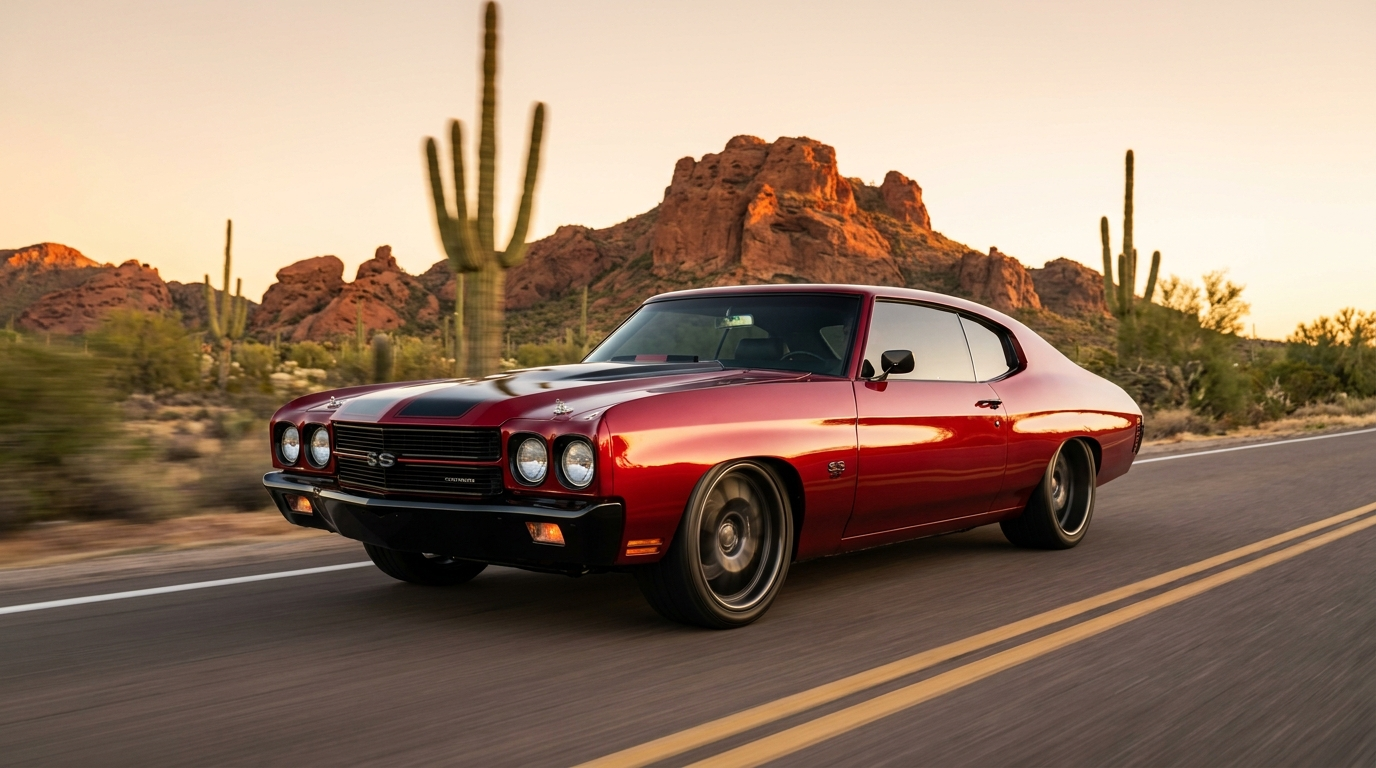
The Chevelle Story: How GM's Mid-Size Gamble Became the Definitive Muscle Car (1964-72)
From a defensive answer to the Ford Fairlane to the LS6 454, the strongest factory rating of the muscle car era. The full 1964-72 Chevelle story and why builders still start here.
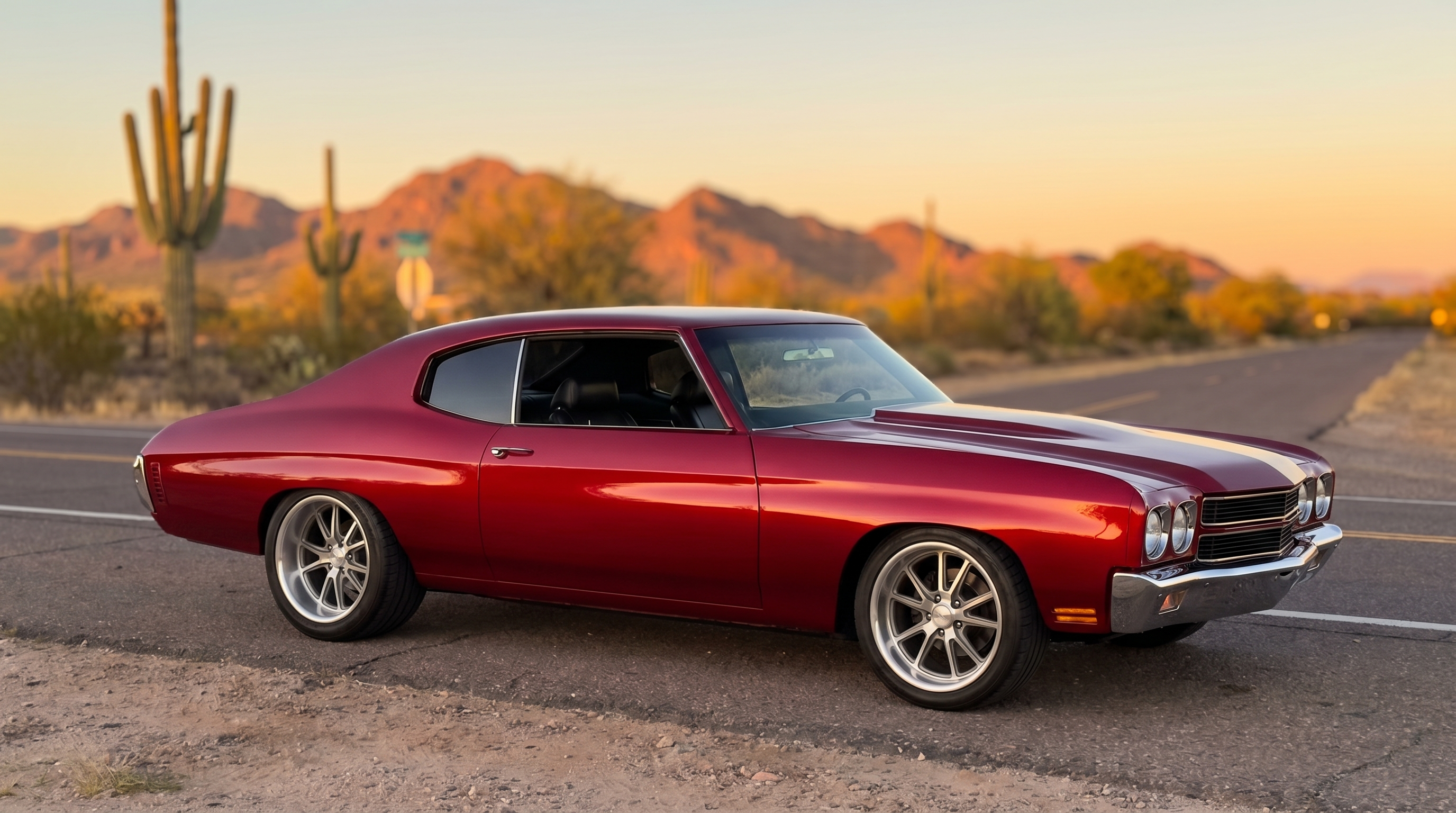
Chevelle flush-mount glass: the complete 1968 to 1972 builder's guide
What flush-mount glass changes on a 1968 to 1972 Chevelle, and the part most owners do not know yet: the DOT kits are on the shelf for both 1968-72 and 1966-67 cars. Plus the full A-body interior c...
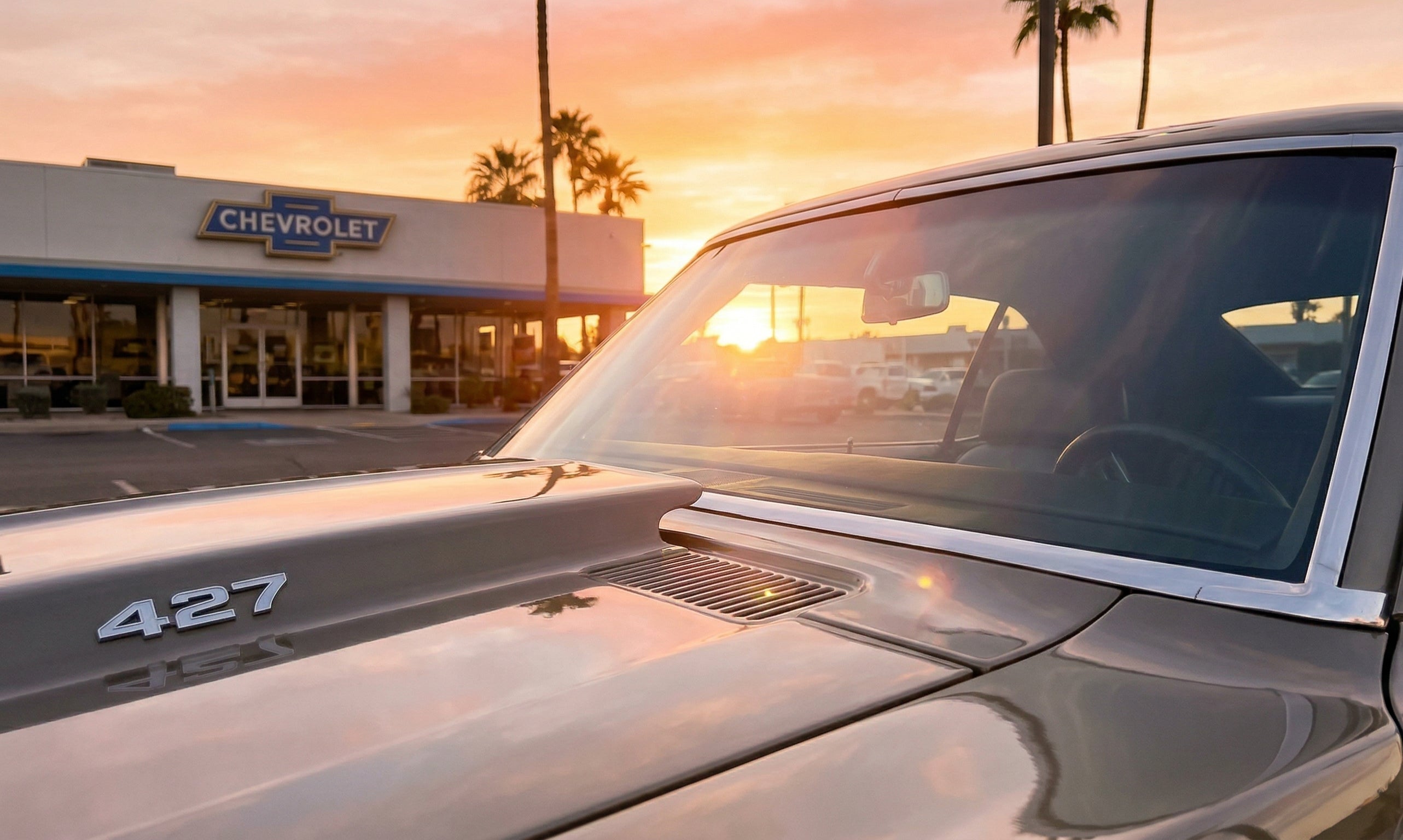
In the late 1960s, GM had a rule: no engine over 400 cubic inches in anything smaller than a full size car. Don Yenko and Fred Gibb used Chevrolet's own special order system to get 427s into Camaro...